The Truth About Gutter Guards: When They Work and When They Don’t
Every fall there is one home maintenance task I dread the most: cleaning my gutters. Not only do I need to get up on a ladder and carefully position my body and waste bucket so that we don’t fall to our doom, but the thought of having to reach my hand inside the gutters and face whatever horrors are inside make me want to do anything else.
It’s not just cleaning out a summer’s worth of outdoor buildup. It’s removing decomposing leaves, wet twigs, sticky pine needles and large bugs. Sometimes very large bugs.
Needless to say, the task is nasty.
But now that we’ve discovered the solution, I would never go back.
Gutter guards cut down on cleaning, but they also protect your gutters and stop debris from building up. But don’t just take my word for it. USA TODAY asked roofing experts about gutter guards to learn if they really work, or if they are all hype.
Here’s what they said.
Do Gutter Guards Work?
Moral of the story: Yes. Gutter guards work, and they can work well to protect your gutter system and, more importantly, your home against structural water damage, fascia (roof) rot and foundation erosion.
“Gutter guards can reduce debris and gutter clogs, which helps rain flow away from the home as intended,” says Ryan Westfall, president of Westfall Roofing, an award-winning residential roofing contractor in Central and Southwest Florida. “Keeping rainwater flowing away from your home will protect the roof, fascia, siding, foundation and landscaping from water damage.”
What Are Gutter Guards and How Do They Work?
Gutter guards are protective covers or inserts designed to be placed over or installed inside rain gutters. Gutters are prone to clogging and require annual maintenance to keep them clear of debris; gutter guards are designed to reduce both those problems.
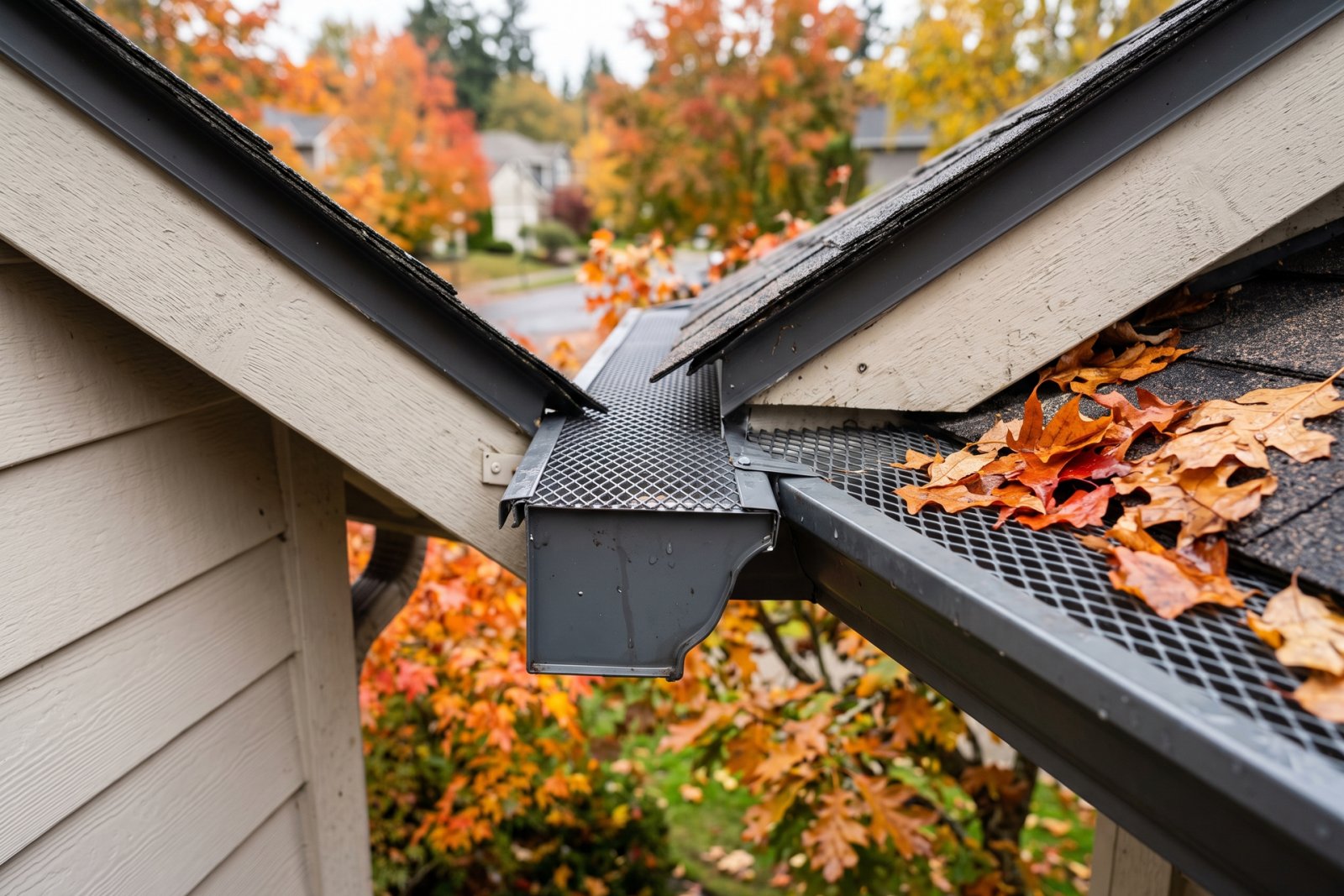
Gutter guards stop leaves, pine needles, twigs and roof debris from getting stuck in your gutters, but still allow rain to pass through and away from your house.
Common Types of Gutter Guards
Mesh screen gutter guards are the most common, but options like stainless steel micro-mesh gutter guards are considered the most effective. Brushes, screens and foam inserts are common DIY options, but professionally installed gutter guards can include an entire gutter system, like LeafGuard.
Other common professional and DIY options include:
- Mesh
- Micro-mesh
- Screen
- Reverse curve
- Foam
- Brush
Do Gutter Guards Actually Prevent Clogs?
Yes, properly installed gutter guards will stop your gutters from clogging. They are designed to prevent large debris like leaves and sticks from getting stuck in your gutters. However, they aren’t invincible. Smaller debris, like dirt, pieces of damaged shingle, seeds and other small debris can sometimes break through the barrier and build up over time.
What Gutter Guards Do Well
Gutter guards are a good home upgrade for homeowners who want to cut down on gutter cleaning. They’re especially good for:
- Stopping large debris from clogging your gutters.
- Reducing the time and effort you spend cleaning your gutters.
- Protecting your home from water damage by helping rain flow through the gutters and away from the structure.
What Gutter Guards Don’t Do
Gutter guards are not:
- Entirely maintenance-free. You still need to clean them off for them to work.
- Foolproof. Skinny pine needles can make their way into the gutters, meaning they could still clog.
- Perfect at stopping small debris. Pine needles, shingle grit and dirt can still get through.
How Effective Are Different Types of Gutter Guards?
The best gutter guard for your gutters depends on your roof, your budget and what you want from them.
Westfall recommends aluminum gutter guards for most homeowners because they offer the “best balance of performance and value.” These guards allow rainwater to flow through small perforations while stopping leaves and larger debris. He considers them reliable because they reduce clogs without restricting water flow.
For homeowners with a larger budget, Westfall describes LeafGuard-style systems as a premium option, but says they come with a premium price tag.
What Are the Disadvantages of Gutter Guards?
The biggest disadvantage — or myth, more like it — is that installing gutter guards still requires maintenance. Leaves and other debris can pile up on top, meaning you’ll need to clear them off from time to time.
Gutter guards can be expensive to install, especially with professional installation. DIY options are available, but might not work as well if you install them incorrectly.
Poor installation quality could even damage your roof, according to Westfall. “We often see installations where the gutter guard’s flange is tucked underneath the shingles instead of being properly positioned against the drip edge,” he says. “That can interfere with the roof system, create a pathway for water intrusion, and eventually lead to roof leaks.”
Are Gutter Guards Worth the Money?
It comes down to your home, environment and preferences, but for many homeowners, gutter guards can be worth the money.
When Gutter Guards Make Sense
Busy homeowners who have lots of trees on their property and live in an area with frequent storms will get the most out of gutter guards. Trees are a gutter’s worst enemy: They can drop leaves, needles and seeds that build up, leading to overflowing water, clogs or worse, water damage.
You should clean your gutters at least twice per year, but you may need to do it more frequently if you have a lot of trees. The average homeowner spends up to three hours cleaning gutters on a simple roof for an average 1,800-square-foot home. If you have kids, work or an otherwise busy lifestyle, you might not find the time to clean the gutters thoroughly.
When They May Not Be Worth It
Homeowners who feel comfortable doing their own home maintenance and have time for regular inspections and cleaning may not find gutter guards worthwhile. “If there are not a lot of trees, and a homeowner feels comfortable doing regular inspections and cleanings, gutter guards may not be necessary,” says Westfall.
How Much Maintenance Do Gutter Guards Require?
Installing gutter guards doesn’t mean you can avoid home maintenance altogether. They can, however, cut down on how much gutter maintenance you do. According to some sources, gutter guards can cut up to 70% off annual maintenance costs.
“Just like any other system on your home, your roof and gutters need annual maintenance to maintain their peak performance,” says Jon Abernathy, a roofing expert with more than 20 years of contractor experience and director of contractor engagement at TAMKO Building Products. “Gutter guards and having your gutters cleaned by a professional at the end of each season can help prevent issues like ice dams, leaks and clogs.”
Debris can still pile up on top of gutter guards, so you’ll need to spend time at the end of each season cleaning them off. You can do this yourself or hire a service, but you’ll want to clean them so they work as intended.
Best Situations for Installing Gutter Guards
If trees cover your roof, gutter guards may be a worthwhile investment, regardless of your roof type. They’re also especially valuable in areas with heavy downpours, where clogged gutters can overflow and lead to water damage around the roof, foundation and landscaping.
Other situations that may make your home a good candidate include:
- Homes surrounded by deciduous trees: In fall, leaves can clog gutters if you don’t stay on top of cleaning.
- Areas with frequent storms: Guards can help keep gutters clear so they carry water away from the structure.
- Homes with difficult roof access: For homes with steep roofs or multiple levels, less cleaning can save time and money.
- Regions with pine needles and seeds: Guards designed to keep pine needles out, such as micromesh, may help prevent buildup.
The Bottom Line: Do Gutter Guards Work?
Gutter guards do work, and they can cut down on gutter cleaning and protect your gutters so they can do their job.
The type of gutter guard you need depends on your roof, gutters and environment. Consider talking to a qualified local gutter professional about what makes sense for your home.
“There are big differences when it comes to quality, durability and performance,” says Westfall. “Investing in a quality system will go a long way.”
This article originally appeared on USA TODAY: The truth about gutter guards: When they work and when they don’t
Reporting by Alora Bopray, USA TODAY / USA TODAY
USA TODAY Network via Reuters Connect