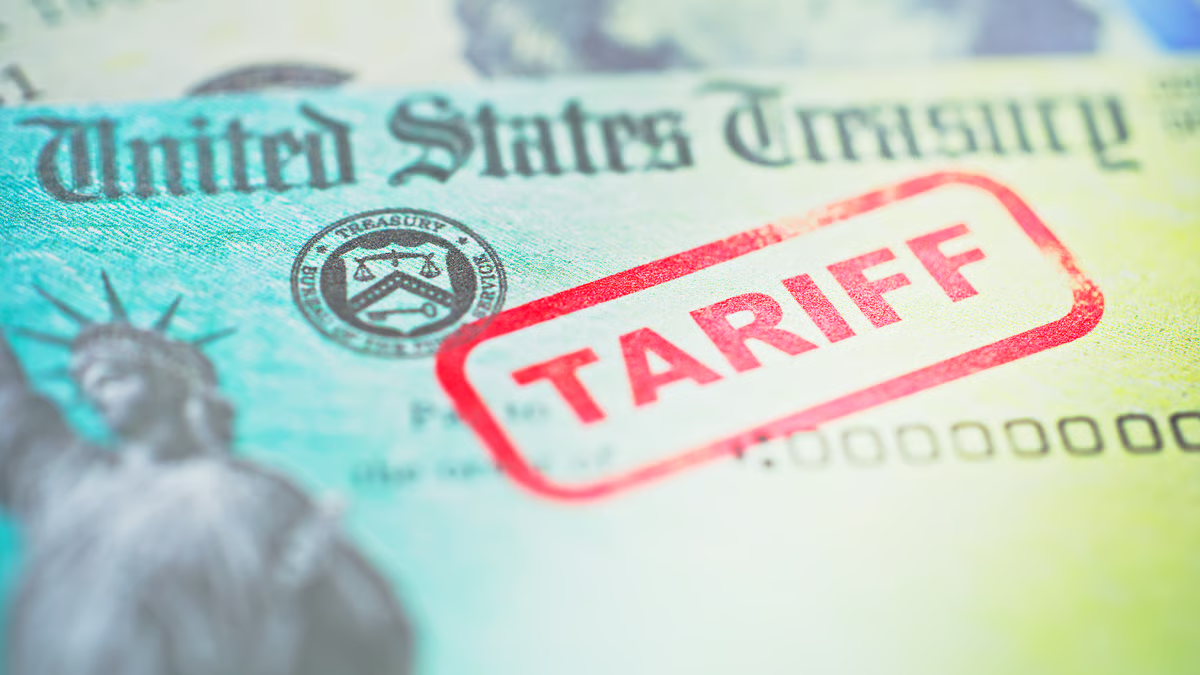
Donald Trump’s 10% Global Tariff Expired on July 24. Its Section 301 Replacement Covers 60 Countries at Rates of 10% to 12.5%.
The on-again trade war took another turn late last month. The temporary 10% global tariff, which had been in effect for the past few months, expired on July 24. For a moment, it looked like importers might catch a break.
They did not.
A new set of duties went into effect the very same day, this time built on Section 301 of the Trade Act of 1974, covering the top 60 U.S. trading partners at rates of 10% to 12.5%. Those countries account for roughly 99.4% of everything America imports. For investors who keep treating tariffs as a passing storm, the way this swap happened tells the real story of where tariffs are likely headed for the next few years.
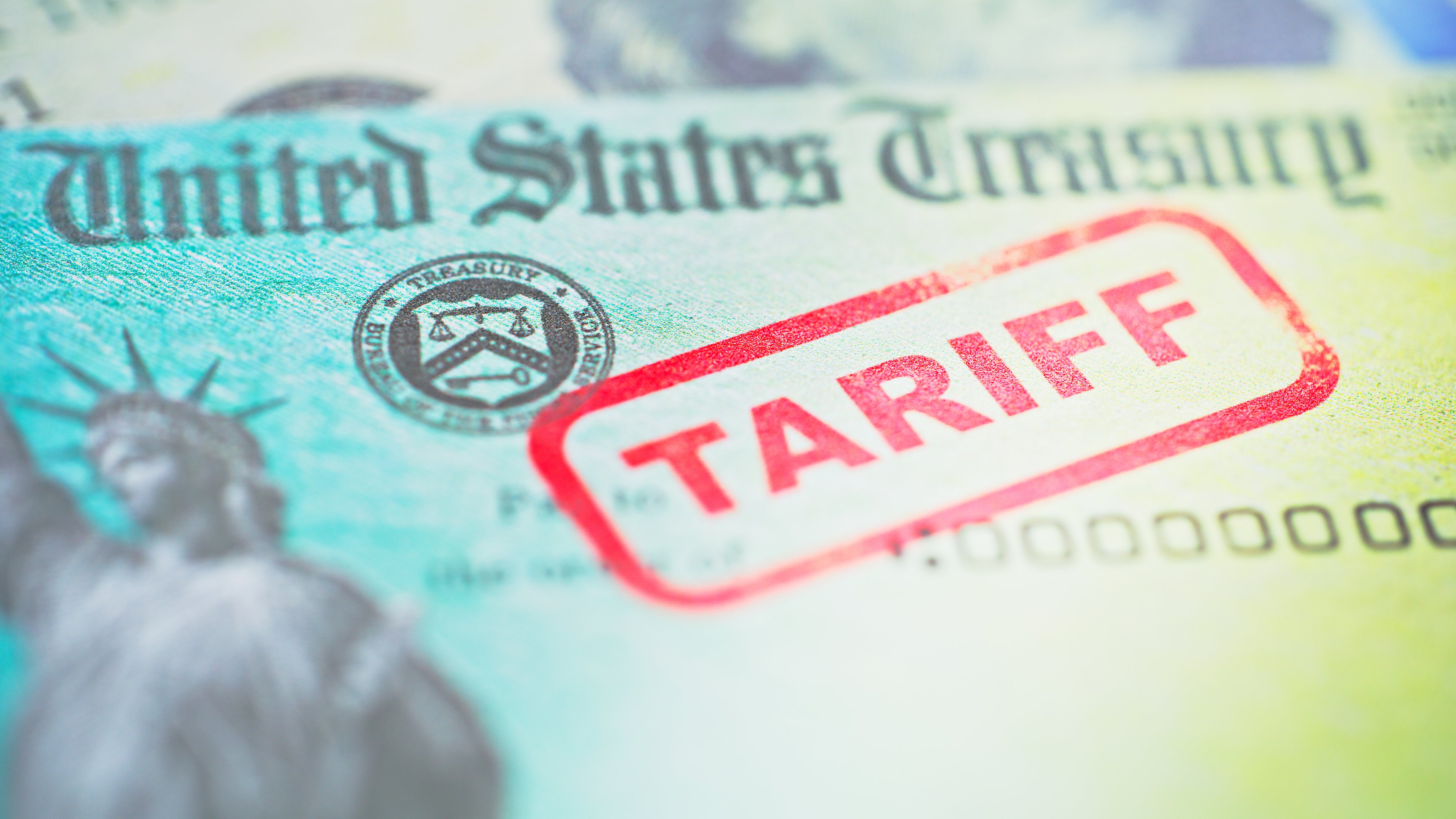
Image source: Getty Images.
Why the legal switch matters more than the rate
To understand why this is significant, you have to follow the legal thread. The original tariffs, imposed under emergency economic powers, were struck down by the Supreme Court earlier this year. A stopgap 10% duty under a different statute, Section 122, filled the gap, but that authority was capped, and its clock ran out on July 24. Rather than let the tariffs lapse, the administration rebuilt the entire program under Section 301, arguing that trading partners have failed to block goods made with forced labor. Nations that adopted or committed to import bans pay 10%, and the other 46 pay 12.5%.
The point is durability. Section 301 rests on a firmer legal footing than emergency powers, making these tariffs much harder to challenge in court. Markets had spent months half-expecting the duties to vanish on a judge’s order. This move signals they are here to stay.
What the tariffs mean for investors
The market reaction in the days since has been muted, largely because the new rates roughly match what was already in place. But structurally, a 10% to 12.5% charge on nearly all imports is now a standing cost of doing business, not a temporary shock. Import-reliant sellers of apparel, footwear, furniture, and electronics face ongoing pressure on margins unless they can pass higher costs to shoppers. A company like Nike (NKE +2.21%), which sources much of its product overseas, has to keep absorbing or passing along that tax. Meanwhile, domestic producers such as Nucor (NUE +0.26%) get a modest edge as imported goods grow pricier.
It is worth staying balanced here. Tariffs are ultimately a tax that can feed inflation and pinch consumers, and the forced-labor rationale invites retaliation and fresh disputes abroad. At the same time, a baseline in the low double digits is manageable for most large, well-run companies, and trade policy has already proven it can change again.
The lesson is not to bet on tariffs disappearing. It is to assume they stick. To me, that argues for favoring businesses with genuine pricing power and domestic or diversified supply chains, staying cautious on thin-margin importers, and treating each trade headline as noise around a baseline that now looks far more permanent than it did a month ago.