Maximalist Layering Is the New Status Symbol in Interiors
It’s no secret that there’s been a shift away from the ultra-minimalist, polished interiors that were all the rage not so long ago. Trends are, once again, favoring spaces that feel truly lived-in, with confident color choices and unique decor.
That said, this shift isn’t about embracing hardcore maximalism, which can feel highly decorative and, dare I say, cluttered. Enter the new interior design trend: maximalist layering. It’s all about embracing homes with soul and depth, where rooms can evolve over time, while still feeling refined, modern, and easy to live with.
“Layered interiors allow people to surround themselves with the things they genuinely love — art they’ve collected, antiques with history, books they’ve read, and objects gathered through travel,” says designer Venetia Rudebeck. “Those layers make a house feel lived in rather than simply designed.” Read on to find out all you need to know about this decorating idea, and how to embrace it in your own home.
Latest Videos FromLivingetc
What Is Maximalist Layering?

In modern homes, maximalist layering is all about a considered approach to mixing color, pattern, and decor.
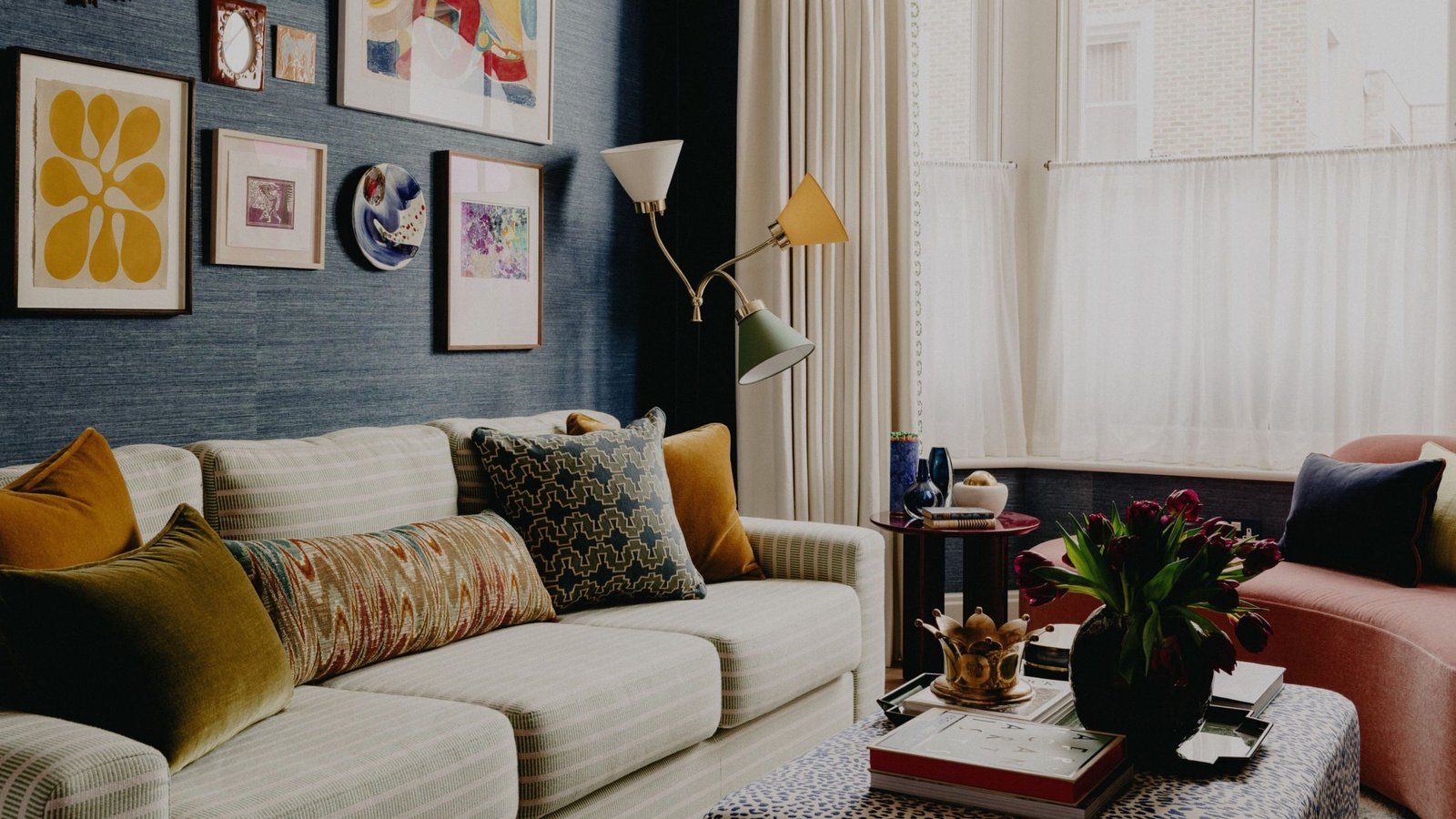
(Image credit: Chris Snook. Design: Appreciation Project)
The term ‘maximalist layering’ can conjure images of eclectic rooms that feel at odds with modern homes, but in reality, this decorating idea isn’t about overdoing rooms with crowded decor; it’s about intentionally building layers to give rooms a lived-in feel.
“Maximalist layering isn’t about filling a room; it’s about giving it depth,” explains Venetia Rudebeck, co-founder of Studio Vero. “We think of it as creating an interior that feels as though it has evolved naturally over time, where every piece contributes something different to the overall story.”
“Layering is how a room gains depth and character,” adds Tom Cox of HÁM Interiors. “It’s the combination of materiality, color, texture, art, and antiques that builds something that feels warm, personal, and completely lived-in. It’s never about filling a space for the sake of it; it’s about surrounding yourself with the things you love and pieces that hold meaning, and letting a room evolve rather than arrive all at once.”

This room feels balanced and harmonious despite the bold colors, since the wood tones and white walls provide a calm backdrop.
(Image credit: Simon Brown. Design: Studio Vero)
“The result should feel rich and expressive, but also effortless — as though everything belongs exactly where it is,” Venetia adds.
The reason that maximalist layering relates to modern decor is that it doesn’t rely on elaborate patterns or endless antiques — you can embrace it with the likes of lighting and textiles. “Textiles are crucial, from window treatments to tactile blankets and cushions; finding just the right rug; art that you have collected or found on your travels,” suggests designer Natasha Lyon. “These all build up a wonderful layer of stories, color, and print.”

Appreciation Project was founded by Natasha Lyon in 2020, after a 20-year career in the fashion industry working with luxury brands such as Acne Studios, Burberry, and Loewe. Natasha’s interior design studio specializes in bringing color and craftsmanship into the home, working on projects across the UK and the US.
Why Maximalist Layering Is Trending Now
Maximalist layering feels particularly relevant in 2026. There’s a certain level of fatigue around ultra-minimalist, showroom-esque homes that can feel emotionally distant, and this decorating idea is all about encouraging a more confident, expressive approach.
“People are craving homes that feel personal again,” says Venetia. “After years of interiors that often prioritized perfection and restraint, there’s a growing desire for spaces with individuality, warmth, and a sense of discovery.”

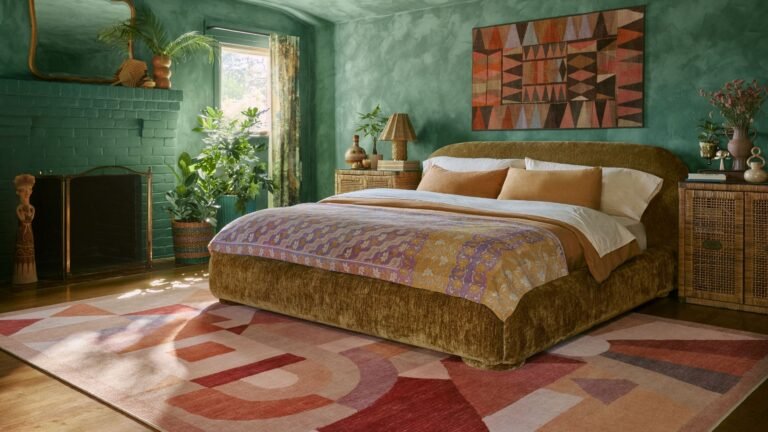
Maximalist layering encourages rooms to evolve over time, where decor can be layered upon gradually.
(Image credit: Marc Anthony Fox. Design: Studio Vero)
What’s more, maximalist layering goes hand in hand with slow decorating, something that can feel more attainable than the idea of ‘completing’ a room in one go.
“Maximalist layering allows you to collect pieces gradually and add things you genuinely love without feeling that every new item has to be perfectly considered,” says designer Sophie Garland. “It’s often much harder to add to a minimalist interior because every object has a much greater visual impact. A layered home feels more relaxed and less precious, allowing a space to grow naturally while still feeling cohesive and personal.”
“Layered spaces feel human and softer, and can absorb the busyness of life,” adds Tom. “They have warmth and a story. There’s also something reassuring about materials and pieces that aren’t trying to stay perfect — things that can take a knock and surfaces that wear in. That’s the opposite of a stark, pristine interior, and it’s exactly what we’re always drawn to. A home that feels grounded and real.”

As co-founder of Studio Vero, Venetia brings a considered yet instinctive approach to interiors. She curates projects with character and meaning, layering past and present through art, antiques, and personal collections. Her work is never about following trends but about creating welcoming rooms that are built to evolve with their owners over time. Known for her discerning eye and talent for pairing unexpected pieces, she balances creative vision with a deep understanding of how a home should feel: calm, cohesive, and effortlessly elegant.
How to Bring Maximalist Layering Into Your Own Home
The key to decorating with maximalist layering is to take your time so layers can be slowly built upon. “Resist the temptation to buy everything at once,” says Venetia.
“The most successful layered interiors are collected over time,” she adds. “Mixing old with new, investing in pieces with genuine character and allowing a room to evolve creates spaces that feel authentic rather than styled.”

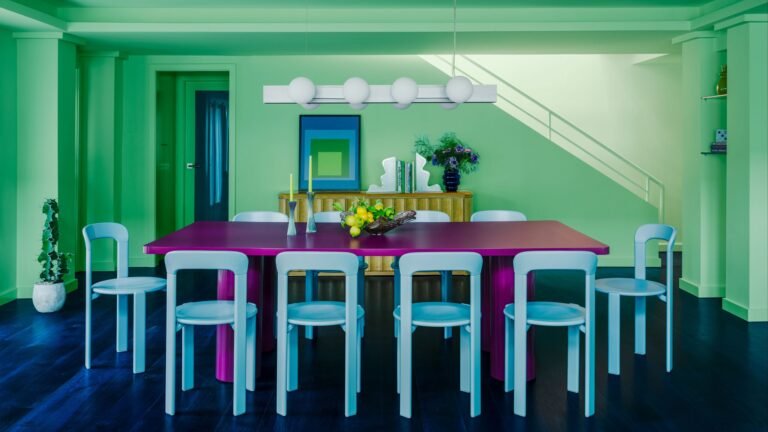
In this dining room, artwork and pattern bring the drama, while the natural textures and materials bring comfort and refinement.
(Image credit: Simon Brown. Design: Studio Vero)
That said, there are so many ways to bring this look home, from decorating with art, layering fabrics, and adding interest through lighting. “Artwork is often where our schemes begin,” says Venetia. “It establishes the mood of a room and allows colors and textures to develop naturally around it, rather than feeling prescribed.”
Once you’ve chosen a color palette based on artwork, you can turn to textiles and decorative objects to bring the scheme together. “A pair of overlapping rugs, cushions in varied weaves and embroidery, shelves filled with books and ceramics, and lighting at different heights all help a room feel more considered and inviting,” says Venetia.

You’d be surprised by how effective rugs are in creating a layered feel in rooms. Whether you have hard flooring or an existing rug in situ, this neutral check rug would add a stylish layer and soften the space.

This kitchen feels effortlessly layered with the mix of cabinet styles, decorative objects on show, and movement from the under-counter cafe curtain.
(Image credit: Alexander James. Design: HÁM Interiors)
When choosing lighting, going for a mix of different styles can help to capture that layered look. “Layer your lighting at different heights: overhead for structure, wall and picture lights for warmth, lamps doing the heavy lifting down low,” says Tom.
“Mix freestanding pieces in among built-in joinery — an antique dresser against painted cabinetry — to break up the uniformity and bring in age,” he adds. “And don’t hold back on art and objects; they’re where the personality comes through. Buy what you love, collect things on your travels so they carry meaning, and don’t take it all too seriously. The best homes gain their character over time. Leave room to keep tinkering.”

Pooky
Crick Single Spotlight in Bronze
Lighting at different levels gives rooms ambiance and stops them from feeling flat, which is key when going for a layered look. In addition to ceiling lights and lamps, add a third source with modern wall lights.

Vintage furniture gives rooms a depth that can be tricky to achieve when everything is new.
(Image credit: Chris Snook. Design: Appreciation Project)
If you’re bringing pattern into your scheme, use balance in interior design to keep it feeling modern and livable. “I love using pattern, but I’m always mindful of balancing it with plain fabrics so a space never feels overwhelming,” advises Sophie.
Don’t forget about decorating with vintage, too. A few carefully-selected pieces of vintage furniture can help a modern room feel more lived-in and grounded.
“Textiles, art, and vintage sourcing are the most crucial elements I will bring into a project, after the color scheme,” says Natasha. “For me, these pieces pull a room together to create something truly unique. It’s the perfect way to bring in layers that are built from personality and joy.”

M&S
Velvet Patchwork Cushion
Pattern is a brilliant way to achieve a layered feel, but go for something contemporary like this patchwork cushion rather than anything too decorative, which can lean traditional.
Layering in interior design is one of the most crucial steps in creating a warm, inviting space that’s full of interest, and the emerging trend of ‘maximalist layering’ invites you to include whatever brings you joy — whether that’s bold color, statement pattern, or quirky decor finds.
For more design inspiration, subscribe to Livingetc’s newsletter.