How to Revive Tired Delphiniums in Summer for Fresh Blooms
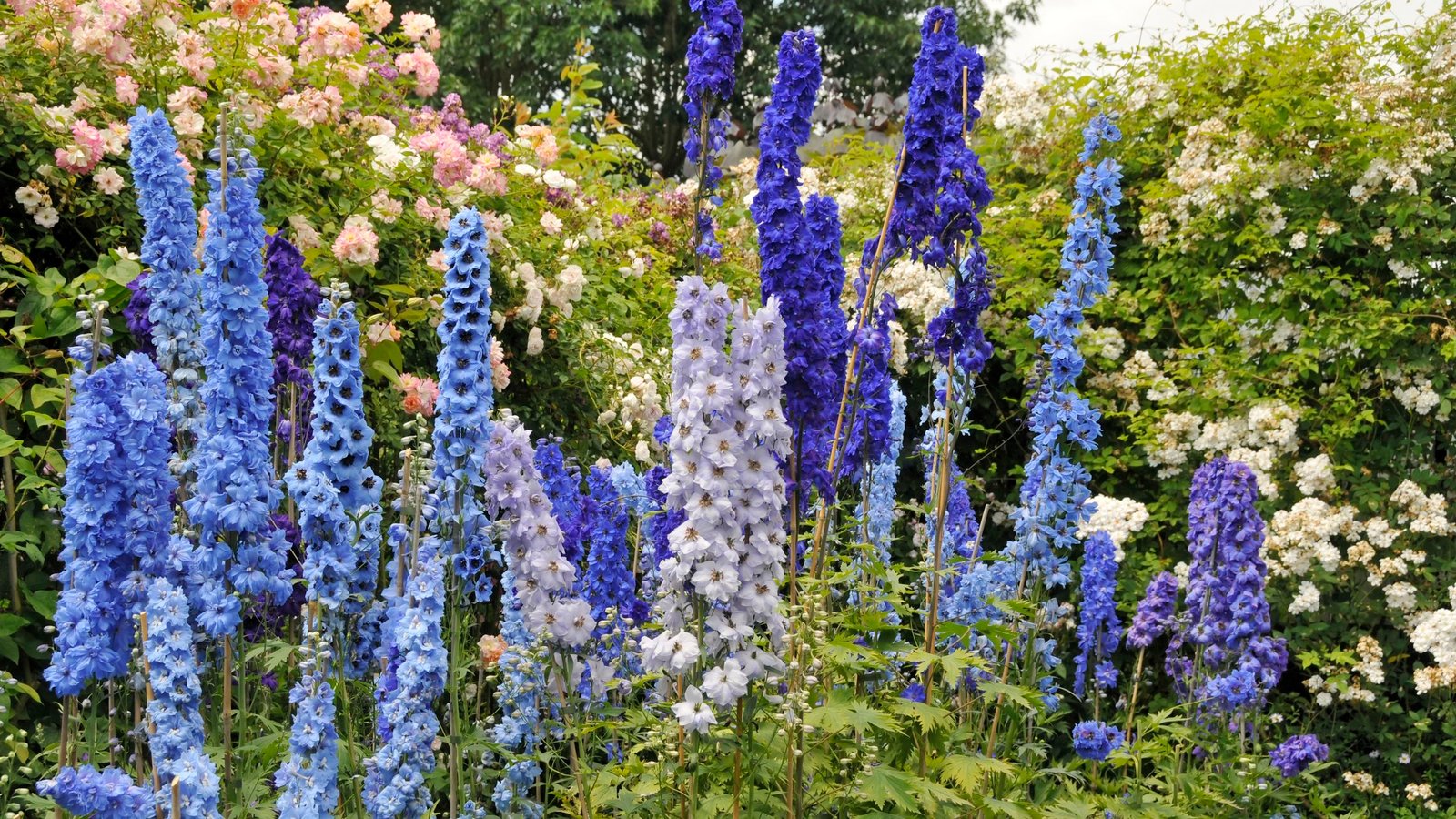
Delphiniums dazzle in full bloom, their statuesque flower spikes reaching for the skies like fireworks above flower beds. By August, the first flowers are usually going over, and the plants look far from their best. You can revive tired delphiniums quickly and easily to get a second flush of flowers in late summer or early fall.
To get delphiniums back in shape, gardeners should prune, water, feed, and treat any fungal issues. This TLC provides essential moisture and nutrients, and the plant uses them to produce new flower spikes to enjoy.
If you care for delphinium plants, don’t just cut them down if they look like a shadow of their former selves. It doesn’t take much time or effort to cut back spikes, water them deeply, and give them a dose of fertilizer (such as this balanced liquid feed from Walmart) to put them back on the road to glory. The effort is more than worth it when you see another colorful bloom appearing.
Latest Videos FromHomes and Gardens
1. Cut Spent Flower Spikes

(Image credit: Future)
Delphiniums usually flower for 4-6 weeks in June and July, but this will change depending on your location and climate. After delphiniums finish flowering, the best course of action is to remove the spent spikes.
If left, the bloom will drop its petals and begin forming seeds. This siphons energy from the rest of the plant. When you cut back delphiniums, that energy is redirected into new growth, resulting in a second flush of flowers. It gives the delphinium a second lease of life.
However, it must be said that this does not work with all types of delphiniums. Most perennial delphiniums can give a second flush, but annual and biennial types won’t rebloom.
To cut back the stems, use a pair of clean, sharp pruning tools and cut the spike all the way back to where it meets the base of the plant.
You don’t need to break the bank on expensive tools for this. For example, these budget-friendly Fiskars pruning shears from Walmart will be ideal for trimming back perennials, plus many other pruning tasks around the garden.
2. Remove Yellow Foliage

(Image credit: Clive Nichols / Getty Images)
To keep your delphinium looking tidy, attractive, and healthy, it is also advisable to remove any yellow or dying foliage from the plant. Yellow or decaying leaves are not just unsightly, but attract pests including aphids, whiteflies, fungus gnats, slugs, and snails.
It may take just five minutes to snip away yellowing leaves. As long as you leave lots of healthy foliage for photosynthesis, the plants won’t miss the ones you remove. Your delphiniums will look green and tidy, benefit from better airflow, which helps against fungal issues, and be less attractive to unwanted pests.
Aphids are classic delphinium pests often seen on new foliage and flower spikes. To get rid of aphids, you can spray them with insecticidal soap, sprinkle diatomaceous earth on the plants (you can get diatomaceous earth on Amazon), or use companion planting to attract natural predators like ladybugs or hoverflies.
Herbs like dill, parsley, and cilantro are fantastic plants that attract ladybugs. You can get all three and more in this variety of 10 herb seed packets at Amazon.
3. Water Deeply

(Image credit: Getty Images/Julie Eggers)
Delphiniums are thirsty plants. Given a choice, they’d pick consistently moist soil every day over drought and dry conditions. If the soil does dry out during periods of heat, delphiniums usually react by wilting or fading earlier than usual.
To prevent your plants from getting stressed and looking tired, try to keep the soil consistently moist in the summer. This also gives you the best chance of your delphiniums reblooming.
The best approach is to water them deeply, so the water soaks into the ground and reaches the roots. Don’t just sprinkle a little bit when watering plants in hot weather, as it can be lost to evaporation before the plants even get to enjoy it.
Water deeply and direct it to the base of the plants. And water the garden in the morning if you can, as it gives the plants time to take in the goodness before the temperatures rise.
Drip irrigation or soaker hoses can be used in the summer to provide a slow, steady stream of water to plants in flower beds. They are an efficient tool to deliver water to the roots, where plants need it most. You can get a 50-foot soaker hose at The Home Depot that uses up to 70% less water than a sprinkler.
Mulching around the base of delphiniums will retain soil moisture to reduce watering, protect the roots from extreme heat, and smother weeds around the plant.
4. Feed to Encourage New Growth

(Image credit: Getty Images / Iryna Imago)
After cutting back perennials to encourage a new flush of fall flowers, fertilizing plants gives your delphiniums the best shot of producing another flower spike this year. Growing these skyscraper blooms takes a lot of energy, and a dose of essential plant nutrients after trimming the old spikes down will be welcomed.
The best feed at this stage is a liquid balanced fertilizer. This is a fast-acting fertilizer that releases those nutrients quickly to the plant – and speed is of the essence here. This all-purpose water-soluble plant food on Amazon has an NPK of 20-20-20 and contains beneficial kelp.
A balanced product is best, or you can use one higher in phosphorus and potassium, which promote bud and bloom development, like this Miracle-Gro liquid bloom booster, also at Amazon.
Avoid using high-nitrogen fertilizer, as it will encourage just lush foliage growth; you will ruin any chances of getting a second flush of flowers.
5. Check for Mildew

(Image credit: Alamy / Steve Taylor ARPS)
Delphiniums are highly susceptible to powdery mildew. Drought-stressed delphiniums are annually prone to the fungal disease, while wet leaves due to overhead watering are also a classic cause.
Powdery mildew starts as white spots or patches on leaves, which can spread and make entire leaves look as if they are dusted with a white substance. This usually starts low down on the plant, but the issue can spread quickly if left untreated.
Remove affected leaves to prevent the spread and take steps to get rid of powdery mildew. A common step is to spray plants with a copper fungicide (available at Amazon); however, such sprays can impact other wildlife in your garden,
There are other DIY options. This includes mixing potassium bicarbonate with dish soap and water to spray onto plants, or making a milk spray to stop powdery mildew.
What to Shop

A bottle of ready-to-use insecticidal soap that targets many pests, including aphids, mealybugs, mites, whiteflies, and more. It is OMRI-listed for organic gardening.

Automatic Irrigation Timer
An easy-to-use timer with leak-resistant brass inlets and outlets. It has two zones for different outlets, for drip irrigation, soaker hoses, or sprinklers, and a simple dial control.

A bag of sustainably sourced 100% non-GMO wheat straw to use as mulch on flower beds, vegetable gardens, or raised beds to retain moisture and keep the soil cool.
Delphiniums are always plants to stake. The tallest varieties can reach six feet, but even medium-sized plants commonly get to four feet. Even though the second flush of flowers may be smaller, they will still be tall enough to need supports.
It may be time to check your supports, or get new ones in place. I usually just use bamboo canes and twine to support my delphiniums. You can get a pack of natural six-foot bamboo stakes at The Home Depot for this.
If you love inspiring garden ideas, outdoor advice, and the latest news, why not sign up for our newsletter and get the latest features delivered straight to your inbox?