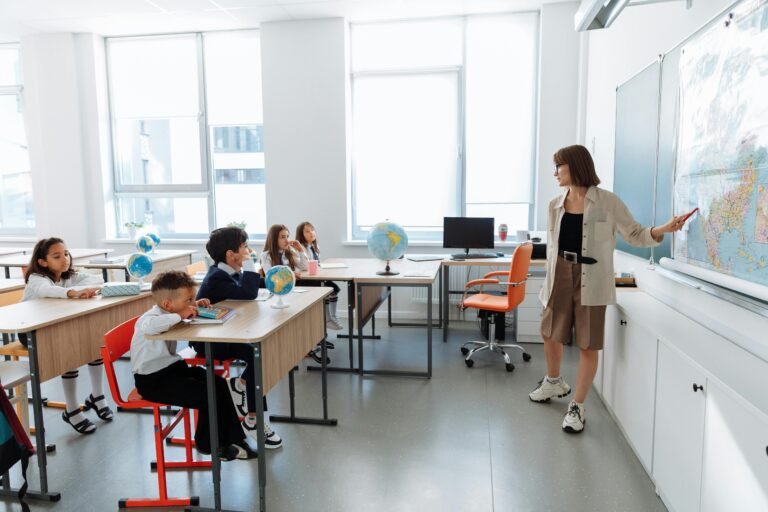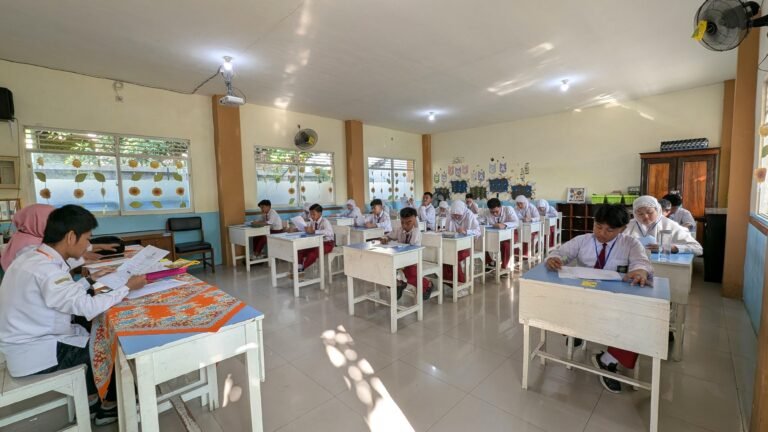




In March 2026, globalization is no longer just about international student exchange; it has become a fundamental redesign of how knowledge is produced, certified, and consumed. Driven by high-speed connectivity and artificial intelligence, education systems are shifting from national silos into a fluid, borderless ecosystem.
🚀 1. The Rise of Transnational Education (TNE)
The most significant trend in 2026 is the decoupling of “where you live” from “where you learn.”
- Global Mobility: International student numbers are projected to hit 8 million in 2026. However, physical relocation is being supplemented by TNE models where students earn degrees from foreign universities while staying in their home countries.
- “Big Four” Diversification: While the US, UK, Canada, and Australia remain popular, students are increasingly looking to non-traditional destinations (like Germany, Japan, and the UAE) due to more flexible post-study work visas and lower tuition costs.
- Standardized Competencies: Globalization is forcing a “common language” of skills. Employers now prioritize micro-credentials and industry-linked certifications that are recognized globally, regardless of the issuing country’s local curriculum.
🤖 2. Digital Globalization and AI Integration
Technology has reached a “critical inflection point” in 2026, making global education nearly inseparable from digital infrastructure.
- Hyper-Personalized AI: AI agents now serve as 24/7 tutors, adapting global curricula to local languages and individual learning paces. This helps bridge the gap for students in regions with fewer physical educational resources.
- The “Illusion of Learning” Risk: A 2026 OECD report warns that while digital tools improve formal performance indicators, there is a risk of a “digital divide” where students gain superficial skills without deep cognitive understanding.
- Virtual Immersion: VR and AR are being used to create “Global Classrooms,” where medical or engineering students from different continents collaborate in shared virtual labs, standardizing high-level technical training worldwide.
🗣️ 3. The Linguistic and Cultural Shift
English remains the dominant lingua franca of global education, but its role is being challenged and reshaped.
- English as a Gateway: Proficiency in English is still the primary “passport” to global research and international business roles, driving massive growth in English-taught programs (ETPs) in Europe and Asia.
- Multilingual Tech: Paradoxically, AI-driven real-time translation is beginning to allow students to access global content in their native tongues, potentially softening the “linguistic imperialism” of English in the long term.
- Global Citizenship: Curricula are being updated to include “Global Challenges”—such as climate change, sustainability, and cross-cultural management—as standard components of a “well-rounded” 2026 education.
📊 Comparing Education Models (2020 vs. 2026)
| Feature | 2020 Model | 2026 Globalized Model |
| Primary Credential | National University Degree | Global Micro-credentials & Stackable Units |
| Learning Location | Physical Campus / Local | Geographically Agnostic / Hybrid |
| Top Priority | Academic Ranking | Career-Readiness & Global ROI |
| Medium of Instruction | Local Language or English | AI-Translated / Multilingual Platforms |
| Market Size | Primarily Domestic | $48.4 Billion Global Digital Market |
⚖️ 4. Challenges: Equity and Sovereignty
Globalization in 2026 brings new tensions to the forefront:
- Digital Sovereignty: Nations are increasingly debating who owns the “learning data” of their citizens when that data is hosted on foreign AI platforms.
- The Funding Crisis: Many traditional universities are struggling with frozen public funding, forcing them to pivot toward high-fee international students to survive, which can lead to a “hollowed out” domestic educational experience.
- Skill-Based Hiring: About 65% of global employers now prioritize specific skills over prestige degrees, a shift that is forcing traditional institutions to rapidly modernize their curricula to remain relevant in a globalized labor market.
- Compare global micro-credential platforms for 2026
- Summarize the 2026 OECD Digital Education Outlook
- Draft a lifelong learning plan for a global career