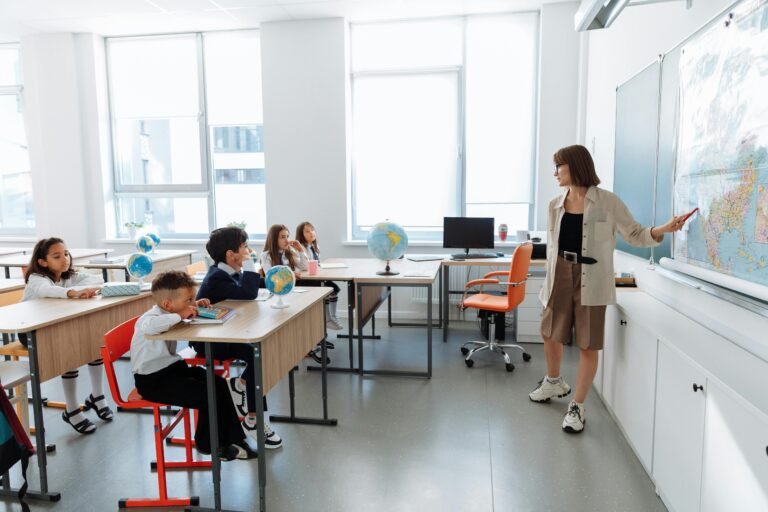




In March 2026, the definition of “career readiness” has fundamentally shifted. As artificial intelligence handles increasingly complex technical and administrative tasks, the global labor market is placing a premium on human-centric cognitive skills and technological fluency.
Students entering the workforce today are no longer judged solely by their degrees, but by their ability to collaborate with machines and navigate a borderless, rapidly changing digital economy.
🧠 1. Cognitive and Adaptive Skills
The most valuable skills in 2026 are those that AI struggle to replicate: high-level reasoning and emotional nuance.
- Analytical Thinking and Innovation: The ability to break down complex problems and find non-obvious solutions. This remains the #1 skill requested by global employers.
- Critical Thinking and Analysis: In an era of AI-generated content, the ability to verify information, identify bias, and evaluate the logic of a machine’s output is vital.
- Resilience and Agility: The “half-life” of a technical skill is now estimated at just 2.5 years. Students must have the psychological readiness to unlearn and relearn new systems constantly.
🤖 2. Technological Fluency (The “AI Co-Pilot” Era)
Being “tech-savvy” in 2026 goes beyond using apps; it requires a deep understanding of human-machine collaboration.
- AI Literacy and Prompt Engineering: Understanding how generative models work and how to “steer” them to produce high-quality professional results.
- Data Literacy: The ability to interpret data visualizations and understand the “story” behind the numbers to make informed business decisions.
- Cybersecurity Awareness: As remote and cross-border work becomes the norm, every employee is now considered a “first line of defense” against digital threats.
📊 The 2026 Global Skills Hierarchy
| Skill Category | Key Competencies | Why it’s Critical in 2026 |
| Interpersonal | Empathy, Negotiation, Leadership | Essential for managing diverse, global teams. |
| Technical | AI Collaboration, Cloud Computing | Machines perform the “doing”; humans perform the “directing.” |
| Self-Management | Time Management, Digital Wellness | Necessary for maintaining productivity in hybrid/remote roles. |
| Cognitive | Complex Problem Solving | AI solves “closed” problems; humans solve “open” ones. |
🌍 3. Global and Intercultural Competence
As student mobility and remote work blur national borders, “Global Fluency” is a baseline requirement.
- Cross-Cultural Communication: The ability to work effectively in multicultural teams, understanding the nuances of different business etiquettes and communication styles.
- Multilingualism (Supported by Tech): While AI translation is ubiquitous, the ability to speak a second language remains a major asset for building trust and rapport in international negotiations.
- Ethical Intelligence: Understanding the global implications of technology—such as the ethics of AI, sustainability, and data privacy across different legal jurisdictions.
⚖️ 4. The “Human” Edge: Social-Emotional Intelligence
Research from early 2026 shows that empathy is the strongest predictor of leadership success in the digital age.
- Active Listening and Mentorship: As routine management is automated, human leaders are valued for their ability to coach, inspire, and support their teams’ mental well-being.
- Conflict Resolution: Navigating the frictions that arise in decentralized, digital-first workplaces requires high levels of emotional maturity and negotiation skill.