Here’s the inflation breakdown for July 2026 — in one chart
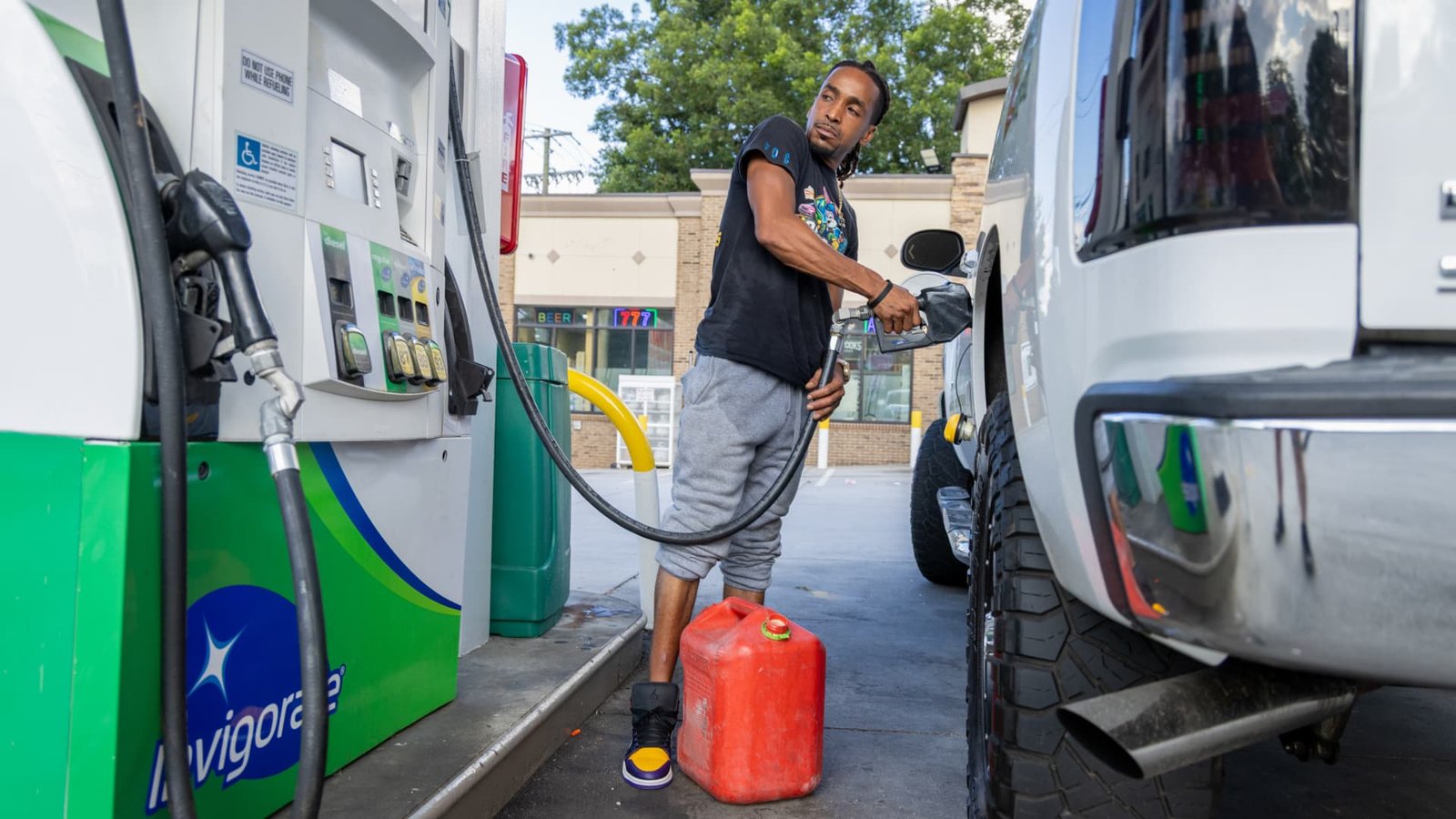
A person pumps gas at a Chevron gas station on Aug. 7, 2026 in Austin, Texas.
Brandon Bell | Getty Images
Consumer prices rose in July — a reversal of the pullback in June — but showed inflation broadly moderating, even as energy remained sharply higher than a year ago.
The consumer price index, an inflation barometer, was up 3.4% from 12 months earlier, the Bureau of Labor Statistics said Wednesday.
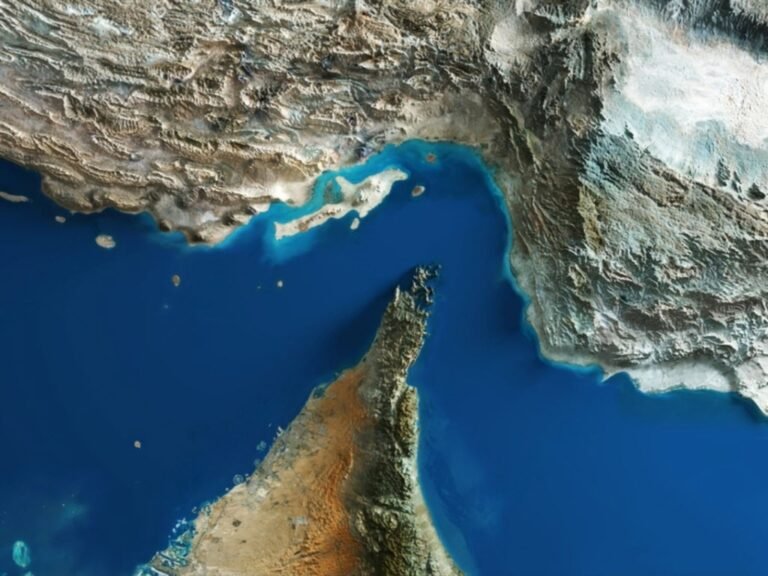
That’s down slightly from 3.5% in June, which marked the first decline in the annual inflation rate since January, before the war between the U.S. and Iran erupted Feb. 28.
“I thought it was a very benign report, right down the strike zone,” said Mark Zandi, chief economist at Moody’s. Inflation is “still high but moving in the right direction,” he said, “assuming the war in Iran fades to the background.”
Energy prices increased 14.7% for the 12 months ended in July amid doubts that the U.S. and Iran could reach a broader resolution to the conflict.
Prices for gasoline, which is refined from crude oil, and other fuels and energy products were also higher as a result. Gasoline prices were up 24.6% over the year while fuel oil rose 39.1%, according to the inflation data issued Wednesday.
Consumers paid a national average of $4.04 per gallon as of Wednesday, according to AAA — up from about $3.14 a year ago.
Airline fares also rose 25.5% over the past 12 months, according to the CPI data.
Still, the oil shock didn’t put too much pressure on grocery prices, economists said, which have been a particular pain point for most U.S. households.
Food prices climbed 3% over the last year, according to the CPI data, with food at home prices up 2.7%.
“Food prices don’t seem to be too bad, but there’s a lot of mix in there,” said Brian Bethune, an economics professor at Boston College. “Meat is way up, chicken is slightly down, egg prices have finally come back down, and now we have a problem with lettuce,” he said.
Concerns about ongoing cyclospora outbreaks have dampened consumer demand for lettuce, which weighed on the index for fruits and vegetables.
Overall, the meats, poultry, fish and eggs index rose 1.9% over the 12 months ended in July, while the index for dairy fell 0.5% over the year.
The core CPI, which excludes food and energy, was up 2.5% on the year, with the indexes for new vehicles, apparel and shelter all notching modest increases.
“Affordability is still a serious problem,” Zandi said, although “it’s much better than it has been.”
If these trends continue, “assuming energy prices don’t go back up, inflation will be within spitting distance of the Fed’s target,” he said.
The Fed is in a ‘wait-and-see mode’
The inflation rate is one of the key economic indicators the Federal Reserve uses to guide interest rate decisions.
The central bank voted last month to keep the benchmark rate in a range between 3.5%-3.75%, but policymakers signaled an increase in borrowing costs could be on the horizon.
With inflation remaining above the Fed’s 2% target, this latest CPI reading leaves a September rate hike on the table, but the odds are higher for an October move, experts say.
“After more than five years of above-target inflation, policymakers want to see a clear and lasting trend before acting. Until then, this is a Fed in wait-and-see mode,” Karen Manna, fixed income investment director at Federated Hermes, said in an email.