

In March 2026, the education gap between urban and rural areas remains one of the most significant barriers to global social equity. While urban centers often benefit from high-speed connectivity and specialized faculty, rural schools frequently grapple with “resource deserts.”
Bridging this divide requires a move away from “one-size-fits-all” national policies toward territorial-specific interventions that leverage both high-tech and “low-tech” solutions.
🏛️ 1. The Infrastructure Gap: Beyond Physical Walls
In many developing regions, the “barrier” is literally the lack of basic utilities.
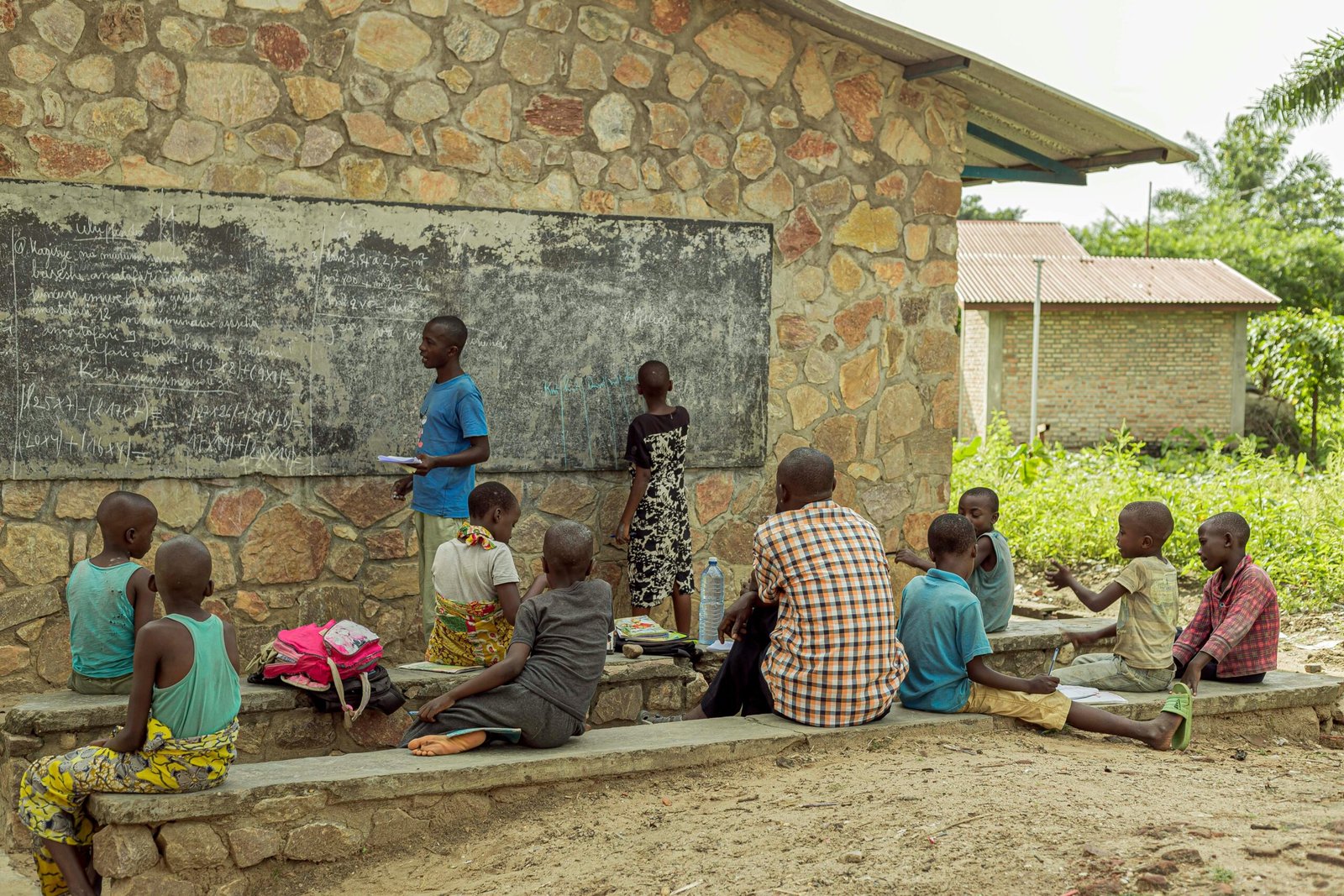
- The “Basics” First: Globally, over 20% of primary schools still lack access to electricity or safe drinking water. In Least Developed Countries (LDCs), this figure exceeds 50%.
- The Connectivity Desert: While 5G is standard in 2026 urban hubs, rural areas often rely on intermittent satellite links. Programs like “Open Schools” (a UNESCO-Huawei collaboration) are currently scaling nationwide in countries like Thailand to provide reliable cloud-enabled learning to remote Isan provinces.
- Offline Digital Solutions: To combat poor internet, many 2026 initiatives use pre-loaded offline education apps and “local cloud” servers that allow students to access high-quality video lessons without a live web connection.
🍎 2. The Teacher Recruitment & Retention Crisis
Rural areas often suffer from a “revolving door” of educators who leave for urban centers after their initial contracts.
- Financial Incentives: 2026 research indicates that while salary subsidies attract young teachers, they often fail to retain them long-term.
- “Grow Your Own” Initiatives: The most successful 2026 models focus on providing scholarships and alternative teacher-training pathways for local rural students, who are statistically more likely to stay and serve their own communities after graduation.
- Professional Identity: Strategies are shifting toward enhancing the “social status” of rural teachers through specialized professional development and housing support, making rural service a prestigious career “track” rather than a temporary hardship.
📊 Urban vs. Rural Education Metrics (2026 Estimates)
| Challenge | Urban Reality | Rural Reality | 2026 Bridging Strategy |
| Internet Access | High-speed Fiber/5G | Low-bandwidth/Satellite | Offline digital content & Starlink. |
| Teacher Quality | Surplus of specialists | Generalist/Under-trained | Remote “Subject Expert” livestreams. |
| Curriculum | Globally aligned | Often disconnected from life | Context-sensitive vocational training. |
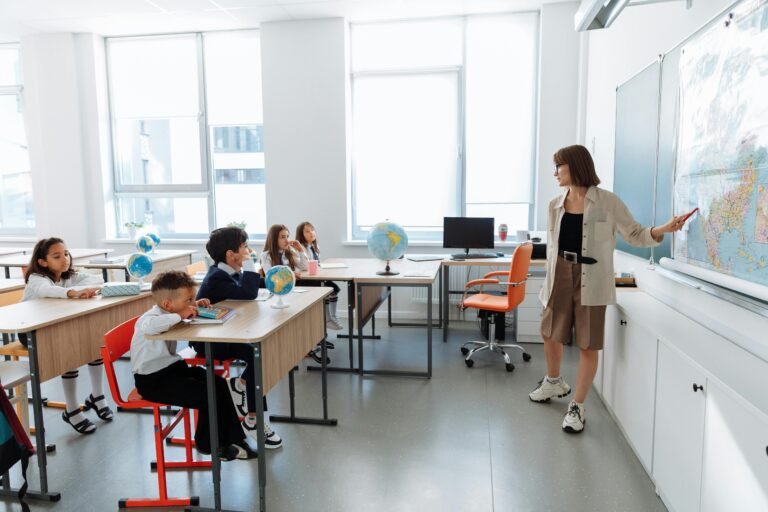
| Classroom Tech | Interactive Smart Boards | Blackboards/Basic tablets | Solar-powered “Smart Classroom” kits. |
🕶️ 3. Technology as the Great Equalizer
By 2026, technology is no longer just a “tool” but a bridge that brings the urban professor into the rural classroom.
- Virtual Teacher Exchange: Large urban schools are increasingly “twinning” with rural counterparts. Through high-definition video links, an expert math teacher in a capital city can lead a live session for five remote village schools simultaneously.
- AI-Backed Personalization: In classrooms where one teacher handles multiple grade levels, AI learning agents provide individualized pacing. This allows students to progress at their own speed even if the teacher is busy with another group.
- Mobile Learning Apps: With the global rise in smartphone penetration, bite-sized “gamified” learning apps allow rural students to continue their education during transit or while working in the fields.
💡 4. Context-Sensitive Curricula
A major reason for rural drop-out rates is the perceived “irrelevance” of urban-centric education to rural life.
- Vocational Integration: Modern rural education in 2026 often integrates hands-on experience in agri-tech, renewable energy, and local entrepreneurship.
- Community-Led Governance: Engaging local stakeholders in school management ensures the school reflects the community’s needs, fostering a sense of ownership that reduces absenteeism.