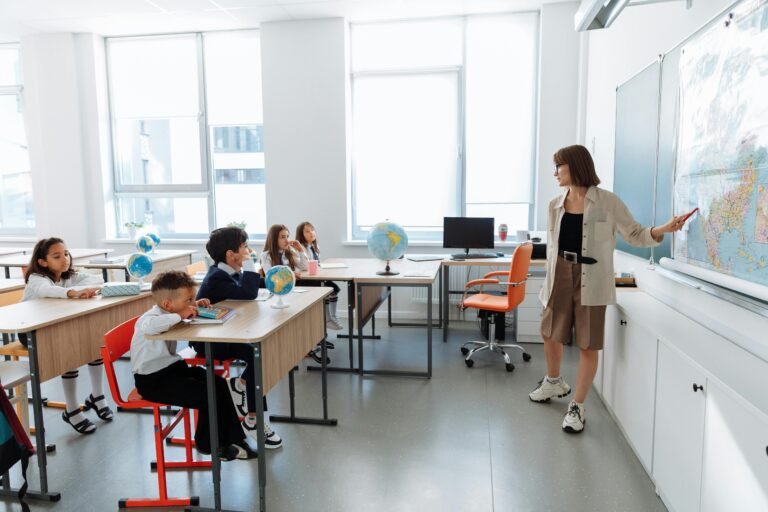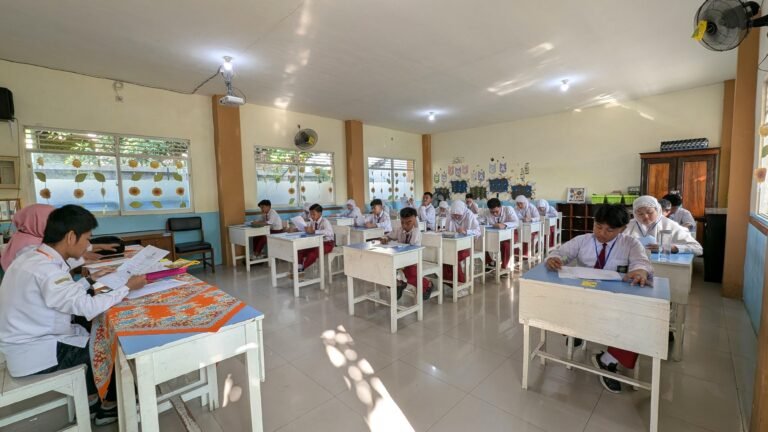



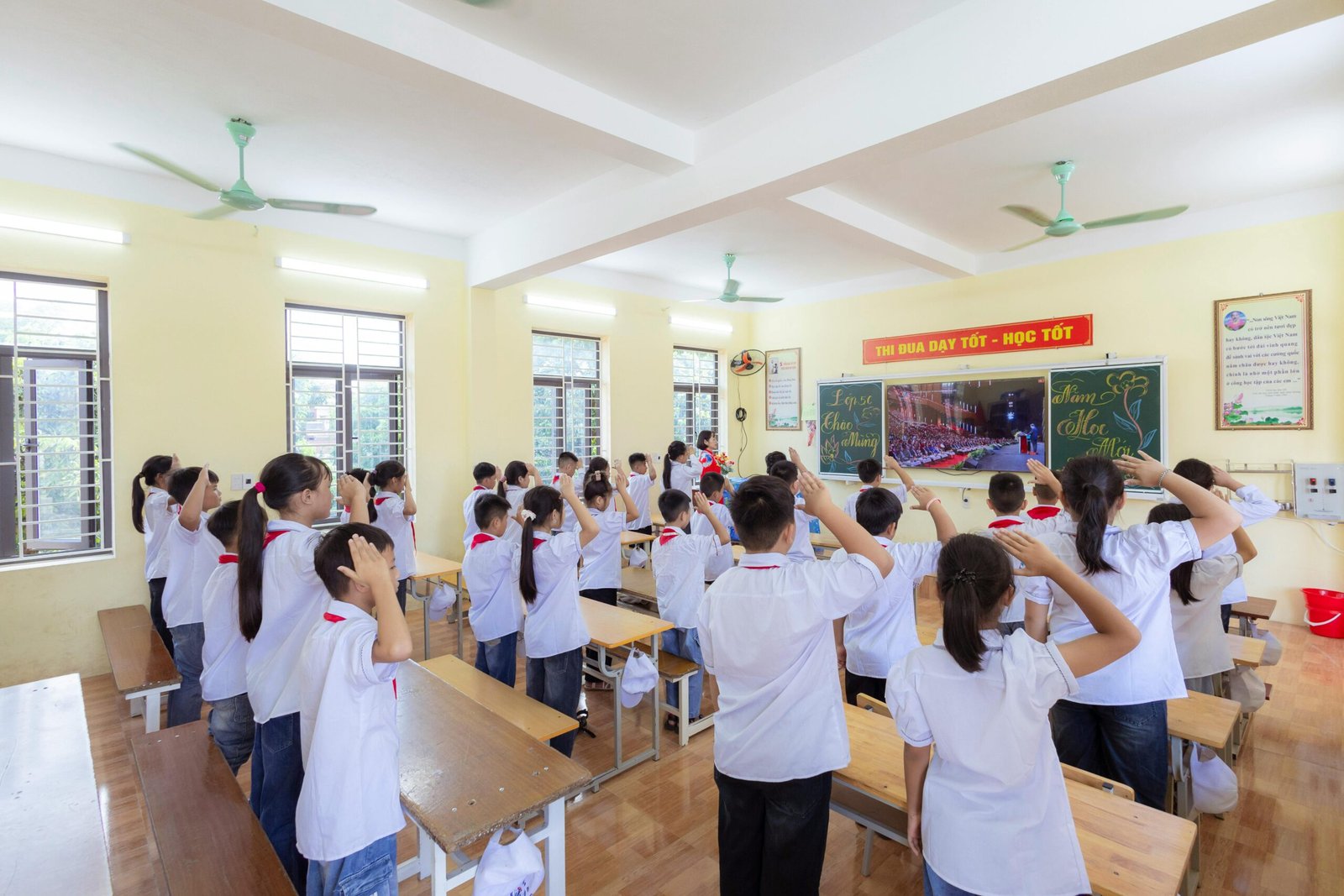
In March 2026, the digital transformation of global education has moved past the “emergency remote learning” phase into a sophisticated, AI-integrated hybrid ecosystem. This shift is characterized by the breakdown of traditional borders, allowing for a more fluid exchange of knowledge and credentials across continents.
🎓 1. The Rise of Micro-Credentials and Stackability
The traditional four-year degree is no longer the sole benchmark of professional readiness.
- Modular Learning: Students now “stack” specialized certifications from various global institutions. A learner in Nairobi might combine a data science module from a US university with a sustainable business course from a European trade school.
- Industry-Academic Convergence: Tech giants and global corporations are co-developing curricula, ensuring that digital skills are updated in real-time to match the 2026 labor market.
- Blockchain Diplomas: To combat fraud and simplify international hiring, academic records are increasingly stored on decentralized ledgers, providing instant, verifiable proof of skills to employers worldwide.
🤖 2. Hyper-Personalization via Generative AI
Education is shifting from “one-size-fits-all” to “one-size-fits-me.”
- AI Tutors: Every student now has access to a 24/7 AI collaborator that adapts to their specific pace, language nuances, and learning style (visual vs. kinesthetic).
- Automated Assessment: Grading for routine tasks has been automated, allowing educators to shift their focus from administration to high-level mentorship and emotional intelligence coaching.
- Simulated Environments: VR and AR (Spatial Computing) allow medical students in rural areas to practice surgeries in “digital twins” of world-class operating rooms, bridging the gap in physical infrastructure.
🌍 3. Democratization and the “Global Classroom”
Digital platforms are lowering the barrier to entry for high-quality education, though the “digital divide” remains a critical challenge in 2026.
- Language Fluidity: Real-time AI translation has effectively removed language barriers. A professor in Tokyo can lecture in Japanese while students in Brazil and France receive the content in their native tongues.
- Transnational Hubs: Universities are establishing “digital outposts” rather than massive physical campuses, partnering with local communities to provide high-speed internet and co-working spaces for remote learners.
📊 Shift in Educational Paradigms (2020 vs. 2026)
| Feature | 2020 Paradigm | 2026 Digital Paradigm |
| Primary Goal | Knowledge Acquisition | Competency & Adaptability |
| Location | Fixed Campus | Geographically Agnostic (Hybrid) |
| Learning Path | Linear / Standardized | Nonlinear / Personalized |
| Credential | Degree-Centric | Skill-Centric (Micro-credentials) |
| Role of Teacher | Lecturer (Source of Truth) | Mentor / Facilitator of AI Tools |
⚖️ 4. The Human Element: Challenges and Ethics
Despite technological leaps, the “Digital World” of 2026 faces significant hurdles:
- Digital Equity: While software is cheaper, hardware and high-speed satellite internet (like Starlink) are still unevenly distributed, risking a new form of “educational elitism.”
- Data Sovereignty: As students move through digital ecosystems, questions regarding who owns their “learning data” and how AI models use student inputs are at the forefront of global policy debates.
- Mental Health: Educators are increasingly focusing on the “loneliness of the screen,” integrating mandatory in-person or synchronous social components to ensure soft skills like empathy and collaboration are not lost.
💡 The 2026 Outlook: Lifelong Learning
The most significant change is the transition to Lifelong Learning. In a world where digital tools evolve every few months, the “end of school” is a relic of the past. Education is now seen as a continuous subscription service, where professionals periodically “upskill” to stay relevant in a rapidly shifting global economy.
- Draft a personalized lifelong learning roadmap
- Summarize the 2026 UNESCO Digital Education report
- Compare micro-credential platforms for 2026