Yuck Coffee? Here’s What Your Machine Is Trying to Tell You
Everyone wants to be a home barista these days, but are you willing to put in the work to be a truly qualified home barista? Learning how to make a proper cup comes with a fairly large learning curve. From differentiating between roast types to formulating the perfect grind size and extraction time, to staying on top of your coffee machine care, there is a lot that goes into a perfectly balanced and delicious brew — more than just style.
So if your coffee-making routine is turning out a little lackluster — too sour, bitter, or weak — an essential step has more than likely been overlooked. And most often, these flaws in taste and brew strength stem from neglecting proper coffee machine maintenance. For instance, you need to descale your machine semi-frequently and clean parts like the grinder, water tank, and grouphead quite regularly.
But don’t worry, learning how to make your coffee machine work better is a step-by-step process. We are all here to learn and become the home baristas we know we can be. A cafe-quality latte with beautiful latte art and a deliciously nutty flavor profile is right around the corner; it’s trial and error, and when a shot comes out funky, you just need to listen to what your coffee machine is trying to tell you. Below are a few tips to help you navigate your coffee-making journey.
Latest Videos FromLivingetc
When Machine Maintenance Is the Problem

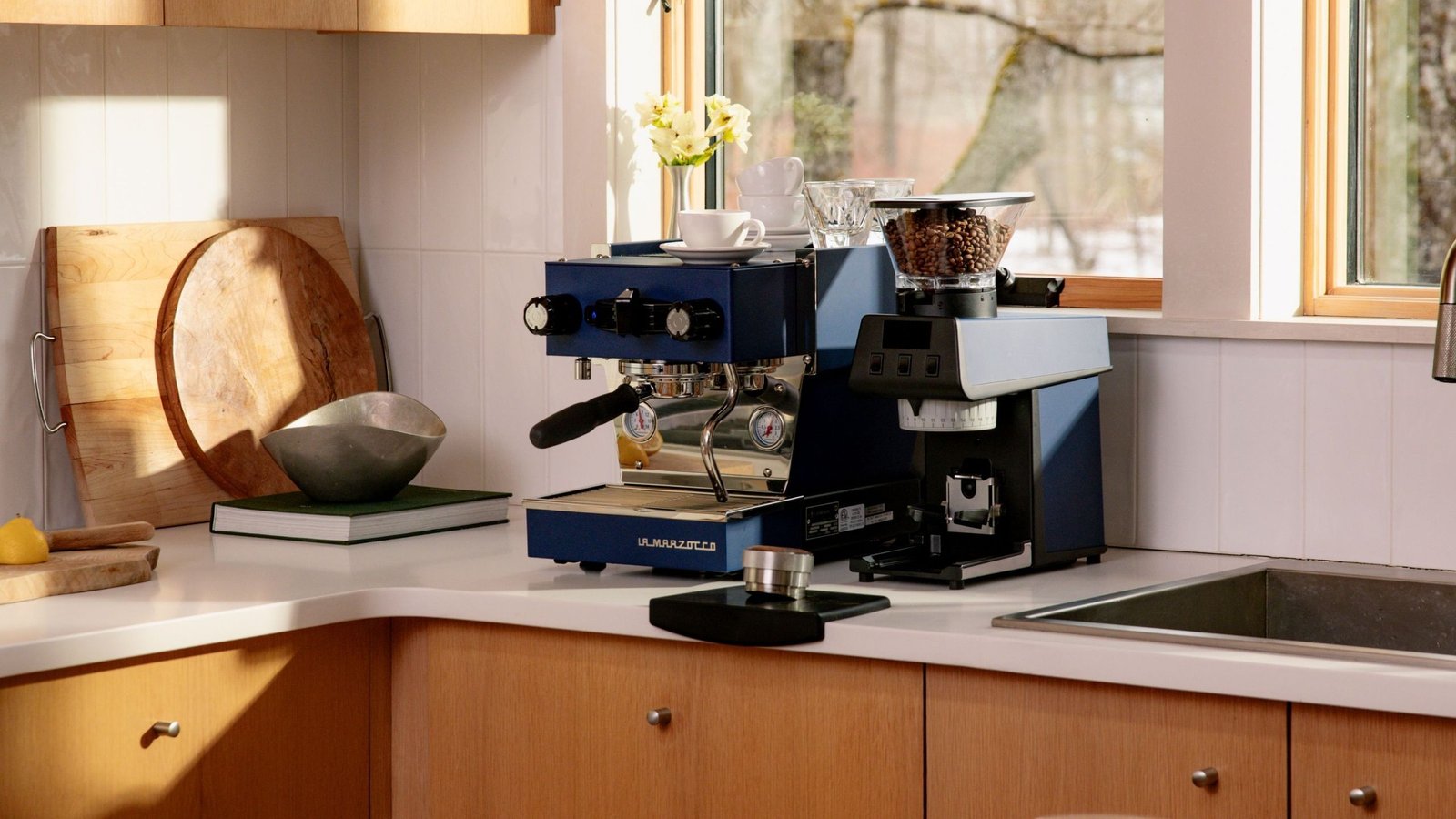
A lot of chaos in your coffee-making routine means that you may need to clean more regularly and stay on top of servicing your machine.
(Image credit: Future, Olivia Wolfe)
Machine maintenance is crucial for good espresso. If you’ve had your coffee maker for a while, then more often than not, a bitter-tasting coffee is a sign that your machine needs cleaning. How often you clean your coffee machine depends on factors like your tap water hardness and how often you use it, but even the best espresso machines on the market need a deep clean to be at their best.
Sure, coffee origin and roast date are important, but so is using a machine that’s not caked in old coffee oil and mineral scale. “Rancid oils in the group head and portafilter will add a bitter note to every shot, no matter how good your beans are,” says coffee expert, founder, and product developer at Lardera Coffee Roasters Michael Cramer. Coffee beans are oily, so cleaning your coffee grinder or the built-in burr grinder on your machine is essential to getting a good flavor.
As mentioned, your shots will also be affected by scale buildup caused by hard water. Michael explains, “This will throw off the water temperature, leading to greater flavor inconsistency from shot to shot.” Most semi-automatic and automatic machines will alert you when descaling is needed, but it’s always worth monitoring yourself. And a bitter or funky-tasting shot is a pretty clear sign you need to listen to and care for your machine.
Michael Cramer is a coffee expert and the founder of Miami-based coffee roasting company Lardera Coffee Roasters. Michael founded the company in 1999 as the larger parent company, Adagio Teas, and now works as the founder and product developer at Lardera. The main part of his work requires him to know how coffee machines work and the ways to produce the best coffee.
When Brewing Methods are Getting in the Way

Aspects like grind size, extraction time, and temperature can also affect the flavor of your espresso.
(Image credit: Future, Olivia Wolfe)
However, a less-than-perfect-tasting espresso shot can also be caused by mistakes made in the coffee-making process. Diving into the home barista world comes with a lot of learning — from roasting methods to proper brewing techniques. And if I learned anything about making coffee from my trip to Italy with luxury coffee machine brand La Marzocco, it’s that it’s absolutely worth putting in the time to craft a delicious cup.
That said, bad flavors can be a direct result of bad technique. “Bitterness in coffee is often caused by over-extraction, resulting from using grinds that are too fine, water that is too hot, or pulling a shot for longer than optimal,” explains Michael. “Sourness, on the other hand, is a result of under-extraction. The causes of this are grounds that are too coarse, water that’s not hot enough, or channeling in the puck that enables water to find an easy path through, as opposed to pushing through evenly,” he adds.
To help combat these potential issues, it’s worth investing in the right coffee machine accessories. For instance, a coffee scale helps get a more accurate extraction based on the size of your shot. And there are even smart grinders and milk frothers that will help you note the grind size and temperature as you craft your coffee.
Accessories That Will Help Improve Coffee Quality

Sage
Smart Grinder Pro Coffee Grinder in Brushed Stainless Steel


klahh
Coffee Machine Cleaning Brush Kit

KINGrinder
K1 Manual Coffee Grinder

Urnex
Cafiza E16 Espresso Machine Cleaner

Hard Lines Coffee
House Party
It seems like a lot, but don’t get discouraged; many home espresso machines do a lot of the work for you — it just helps smooth the process when you know a little bit more about coffee-making techniques. Before you know it, you’ll be the master of your home cafe!
For more tips and inspiration like this, be sure to subscribe to the Livingetc newsletter.