You Might Not Be Able To Get New Robot Vacuums After Recent US Ban
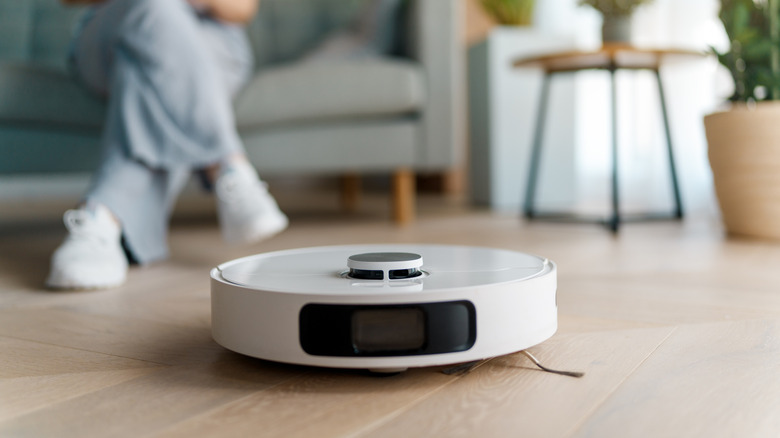
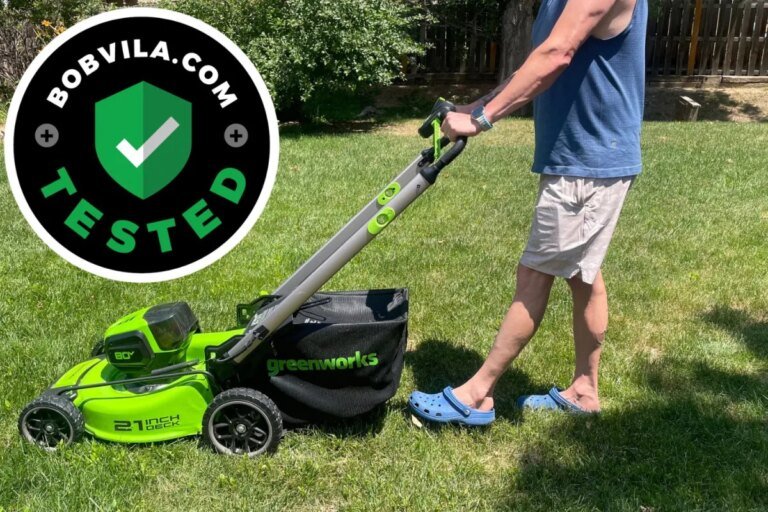
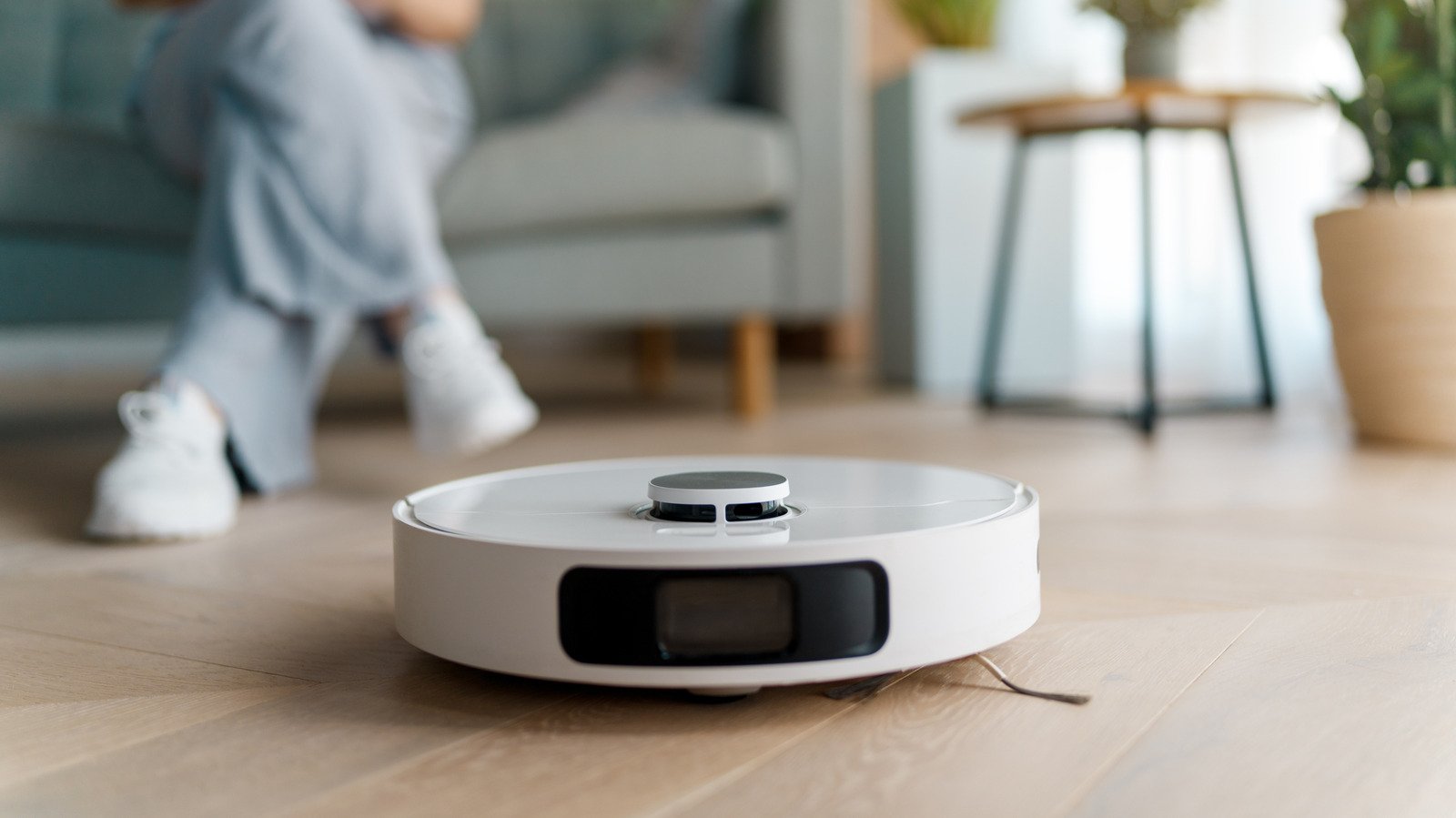
Buying a robot vacuum might be about to get a lot more difficult. The Federal Communications Commission has released an update to its Covered List of communications items that cannot be imported or sold in the U.S. to include robotics that pose a risk to national security. This includes humanoid and quadruped robots, as well as those that can connect to wifi. This may include robot vacuums and that robot lawn mower you bought from Home Depot on a sweet August deal.
To be clear, the ban is specifically targeting new robots. So, all the Roombas and Roomba alternatives that are already stocked on shelves, or the ones you own already, will not be affected by the new ban. Instead, the FCC is specifically targeting newly manufactured advanced robots that have been produced outside of the United States. This includes brands like iRobot, SharkNinja, Samsung, LG, and Dyson which manufacture their products in China and other foreign countries.
However, according to an FCC press release, “Producers of advanced robotic devices and power inverters that receive Conditional Approval from DoW [Department of War] or DHS [Department of Homeland Security] can continue to receive FCC equipment authorizations.” This likely applies to military contractors, not the big box stores trying to sell you a new robotic vacuum. So, you may soon no longer be able to buy robot vacuums that have not been vetted or approved by the Federal Government.
Why the FCC has labeled certain robots as cybersecurity threats
While it’s true other government agencies like the Environmental Protection Agency (EPA) can ban insecticides like DDT for environmental concerns, does a WiFi-connected robot vacuum really pose that much of a threat? According to the FCC, it does. To quote their press release: “In their determinations, national security agencies referenced, among other things, unacceptable risks, including that these devices could create supply chain vulnerabilities that could disrupt U.S. economic and national security and could create a cybersecurity risk that threatened American critical infrastructure.”
This FCC ban may definitely be aggravating, especially for those who will need to replace their robot vacuums in the coming years. However, it shouldn’t come as a complete shock, as concern about cybersecurity has been on the rise. The Fletcher School of Global Affairs at Tufts University published a transcript in June, 2026 in which Professor Christopher Miller testified before Congress about cybersecurity and espionage concerns surrounding the sensors, GPS, and Wi-Fi-connectivity capabilities of automobiles. Therefore, it is not wholly outside the realm of possibility that your robot vacuum could be hacked and utilized to invade your personal security.