What to Know Before You Buy a House With a Swimming Pool
We may earn revenue from the products available on this page and participate in affiliate programs. Learn More ›
Purchasing a home is one of the most monumental, expensive decisions you’ll ever make. Purchasing a home with a pool, however, adds another layer of hand-wringing to the process. Before you take the plunge on a home with a swimming pool, get all the facts so you know what you’re getting yourself into. Let’s dive in.
1. Pools are expensive to install, and can raise the sticker price of a house.
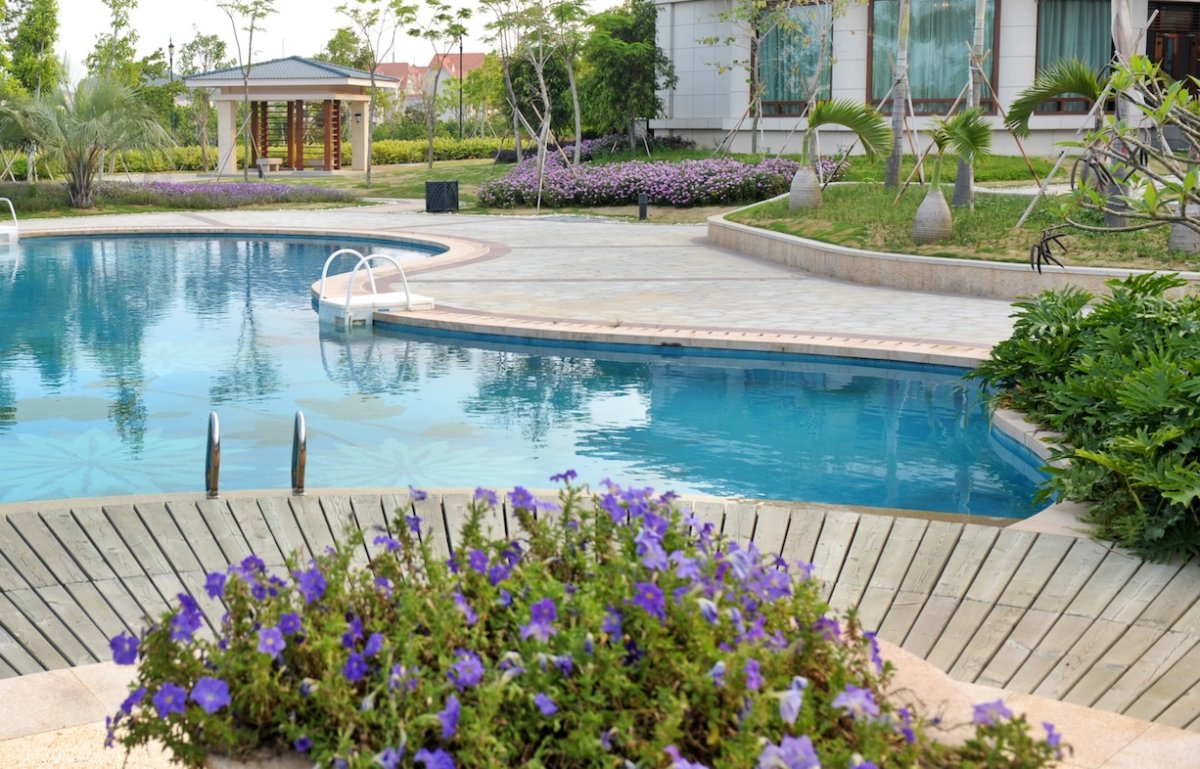
To help you understand how much value a pool adds to a for-sale home, let’s begin by looking at the cost of installing one. According to Fixr, the average above-ground pool cost is about $8,300, while an inground pool rings up at an average of about $31,500. This disparity in cost might make the decision clear, especially if you are limited by a bare-bones budget. Buying a home from someone who’s already made a substantial investment in a pool is a different matter.
2. They can be costly to maintain, too.
If the pool comes as part of a package deal with the house you buy, the most important numbers to crunch involve the ongoing costs of ownership. These vary widely depending on the type of pool, its size, the amount of use it gets, its age, and other factors. Plenty of homeowners fail to do their due diligence before purchasing a house with a pool, only to realize that the price of maintaining it is prohibitive.
3. Outsourcing pool upkeep is an option, but do your research first.
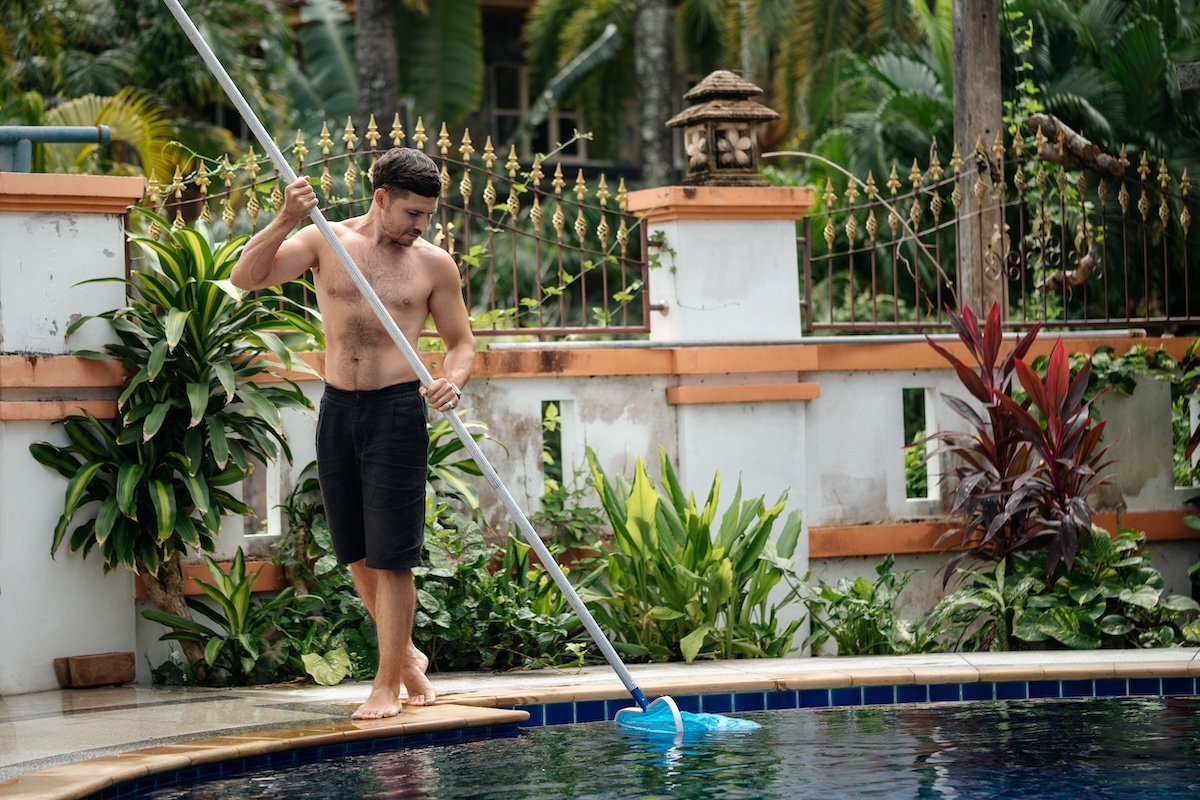
Homeowners who simply don’t have the time to do their own pool maintenance can opt to outsource the work to pool care professionals. Professional pool maintenance averages about $236 per visit. You might be surprised to learn that above-ground pools can be more expensive to maintain, especially if there is no deck surrounding the pool. (Without a deck, it’s more difficult for the pros to access the water and maintain the pool.)
4. Keeping a swimming pool in pristine condition will feel like a part-time job.
Whether it’s an above-ground pool or the in-ground variety, doing your own maintenance to keep the pool in optimal condition—clean, sanitized, algae-free, and pH-balanced—will take up a fair amount of your free time. Pool care is not a responsibility you can set and forget. The minimum maintenance chores include:
- Skimming the pool and emptying the strainer baskets
- Brushing the walls of the pool
- Using a pool vacuum
- Running the filter (although this task is usually done on an automatic basis, using timers)
- Checking the water level, and refilling the pool, if necessary
- Testing the pool water chemistry, and adding chemicals as needed
These tasks should be done regularly. It’s a good idea to skim, check the baskets, and make sure the filter is functioning as it should on a daily basis. Vacuuming the pool and tending to the water’s chemical makeup are usually weekly tasks.
5. Pools aren’t built to last forever.
Another crucial consideration before you make an offer on a home with a pool is the pool’s lifespan. Pools are built of vinyl, concrete, or fiberglass. Depending on which building material is used, they can last anywhere from 5 to 25 years before requiring serious work such as resurfacing or replacement.
6. Chemicals, cleaning supplies, and toys can be costly—and take up a lot of space.
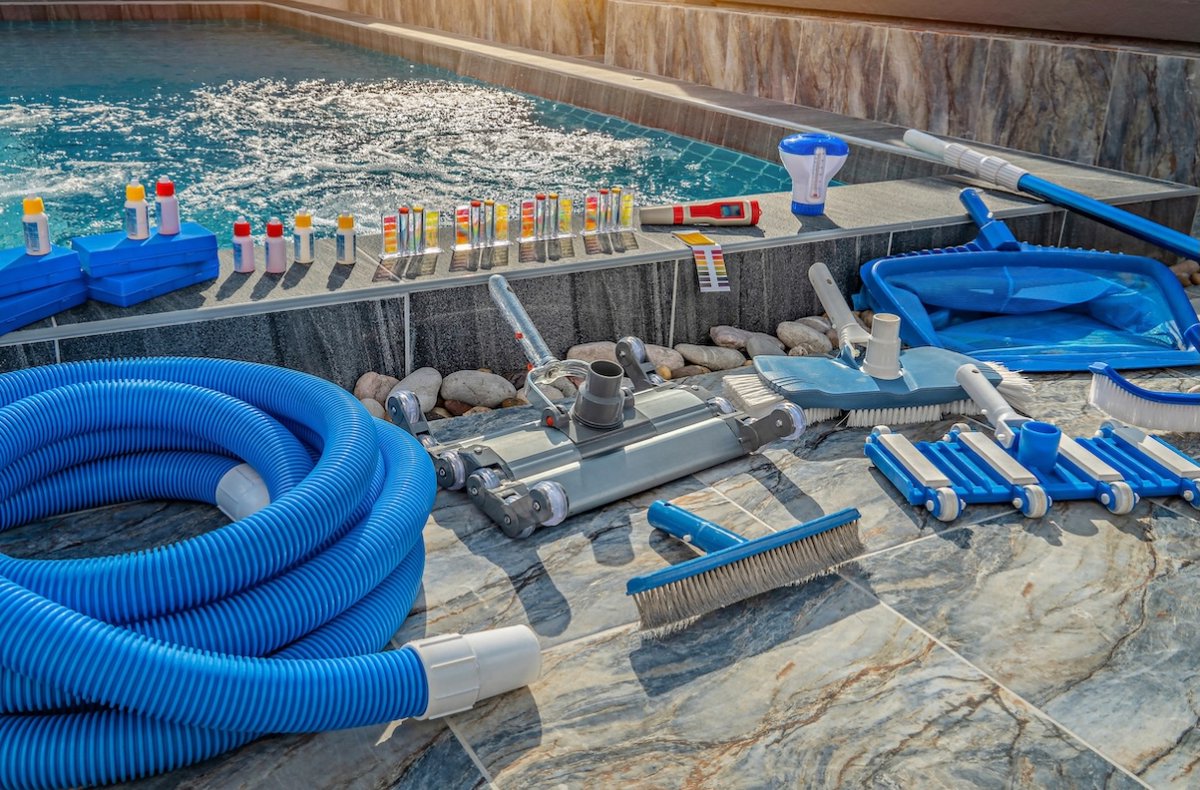
Pool-related gear takes up a lot of room, and there’s a lot of it: There’s hardware and other one-off pool-related purchases, like skimmer baskets, filter, pump, lighting, heating, cover, and of course a selection of entertaining pool accessories. You’ll also need a variety of chemical preparations that will be recurring purchases and, therefore, need to be included in your home maintenance budget.
7. Closing a pool for the season (and opening it again in spring) is a hassle.
Opening the pool in the spring—and winterizing or closing the pool once the temperatures start to drop again—is kind of a big production. Each of these processes includes specific steps that contribute to the lifespan of the pool and to the health and safety of those who use it. Again, this is something homeowners can tackle as a DIY, but may prefer to leave it to the pros. Hiring a service to open and close the pool will cost $450 on average in most locations.
8. Owning a pool can complicate your homeowner’s insurance policy.
It is likely that any swimming pool will be covered by your homeowner’s insurance, but be sure to discuss the issue with your agent prior to buying the house. An in-ground pool may be considered part of the home, or could be classified as an external structure. Policyholders may need to list an above-ground pool as personal property. Knowing the specifics of your pool coverage is important, as it will affect replacement value.
9. You are ultimately liable for your “attractive nuisance.”
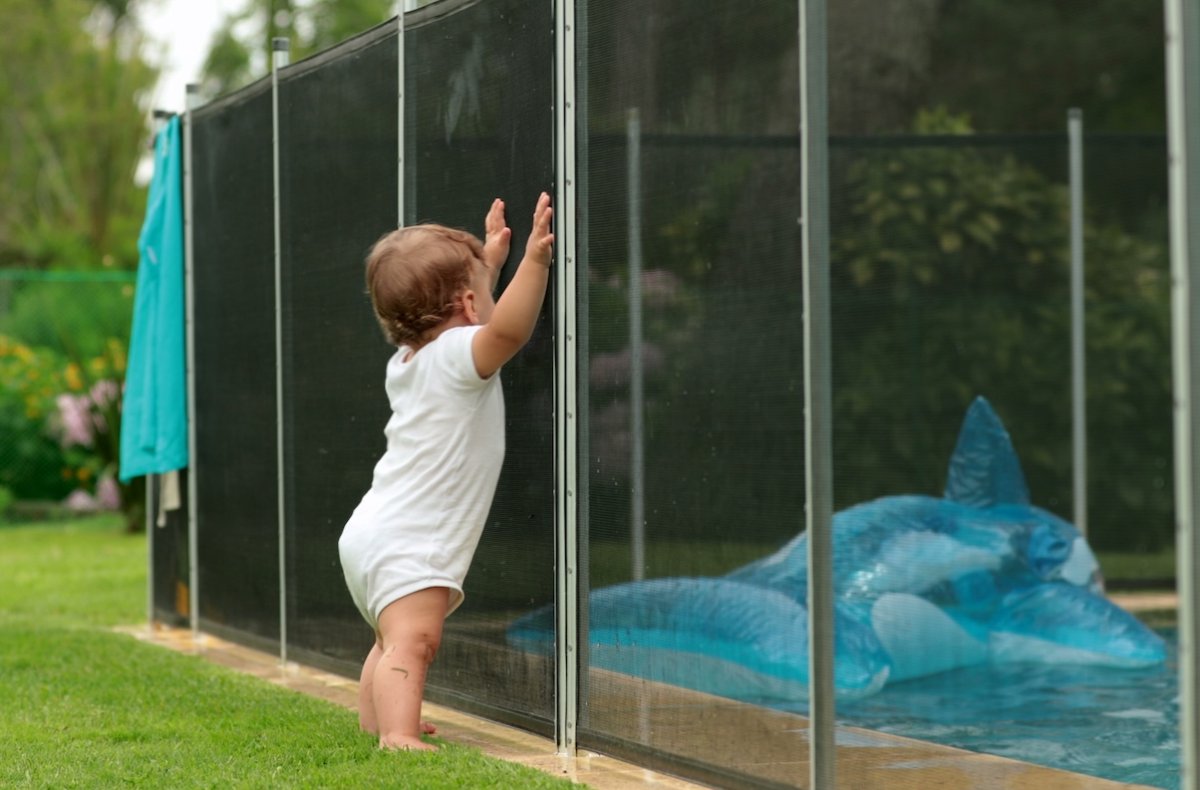
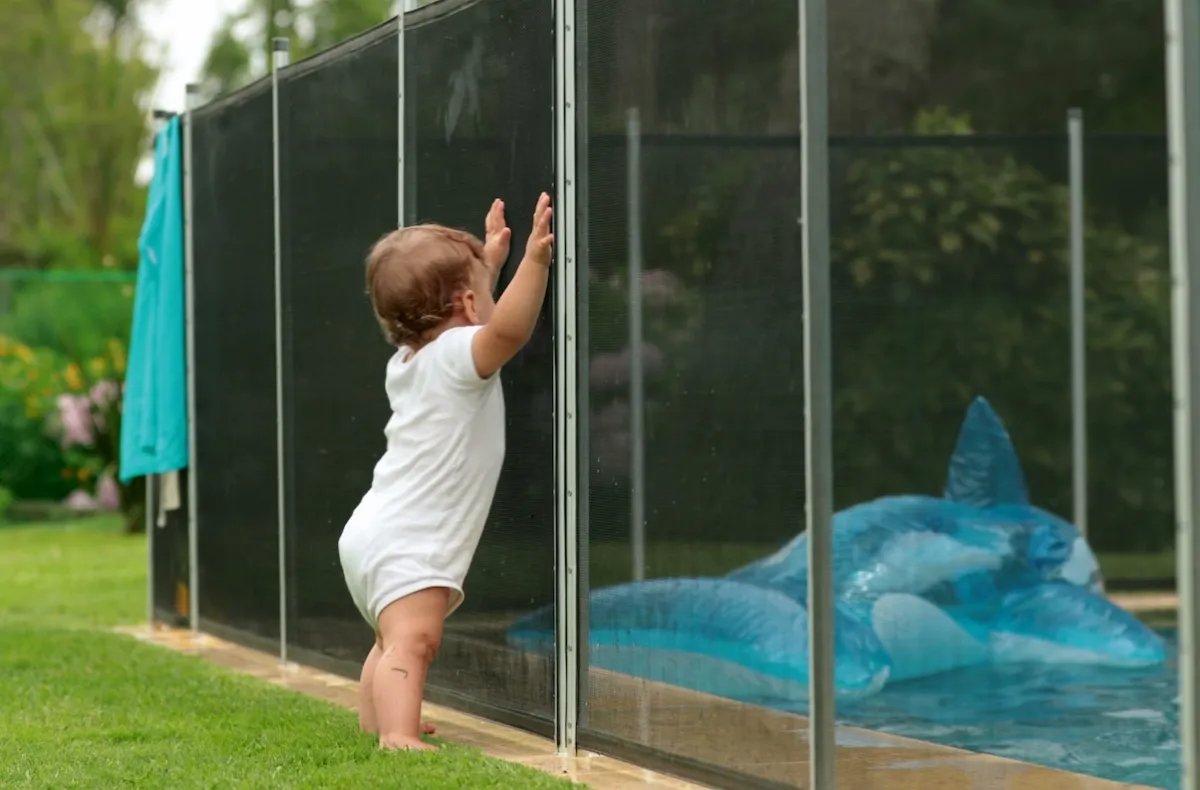
Swimming pools, like trampolines, are considered “attractive nuisances.” This legal term refers to the fact that kids may be tempted to come play in your pool, and should harm befall them, you will be liable. This is true whether or not they’ve been invited, or if you even know that they are there. If the backyard or the pool area does not already have a secure fence with a locked gate, that’s an investment you’ll need to make right away.

Curb Appeal Updates You’ll Appreciate Even If You Aren’t Selling Your Home