The Teamsters’ Opposition to Driverless Trucks Is a Road to Economic Oblivion | American Enterprise Institute
This can’t be how the American economy is going to work from here on out. We can’t concede a societal norm where the government will undermine or even ban a technology that might cause some workers distress, from changing the nature of a job to eliminating a job altogether. Doing so would guarantee economic stagnation and a permanently ugly politics where liberal democracy itself would be at risk.
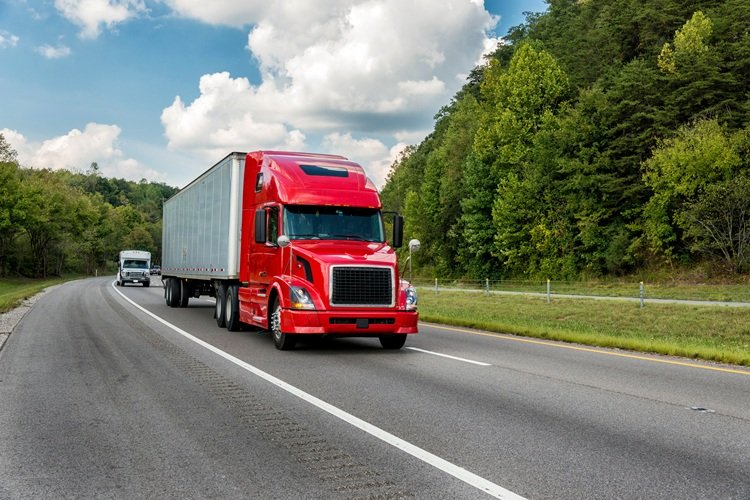
More specifically, society should view with great skepticism new efforts by the California Teamsters to stop autonomous trucks. The union is suing the state to prevent enforcement of new rules “that pave the way for self-driving trucks on state roads” and thus pose “an existential threat” to the livelihoods of some 200,000 employee truck drivers in the state, according to the union’s suit as reported by Politico.
Stick with this one effort—and we are sure to see more in the Age of AI—and you’ll see how economic logic simply doesn’t logic. First, if self-driving trucks are anywhere near as safe as self-driving cars, that’s a massive public benefit. Second, there’s a preexisting trucker shortage because not enough humans want to do these jobs. Third, as a world of self-driving trucks draws nearer, even fewer people might seek these jobs, reducing job losses through attrition. Fourth, the industry will not transform overnight. Goldman Sachs analysts forecast the number of autonomous trucks “to climb to about 25,000 in 2030, which would amount to less than 1% of the commercial trucking fleet.”
Yes, any technology powerful enough to change the way we live will also affect what a workday looks like. Two centuries ago, most Americans farmed. Then came the steel plow, the mechanical reaper, and the tractor. We learned how to do more with less. Fewer workers could feed more people.
Meanwhile, scarce human labor shifted from work that machines could do more cheaply to work where humans held the value advantage, including new jobs. Very few Americans work on a farm today, and not many of us regret that, even if the transition was hard for some workers living through that transition. Still, the machines freed us up to do other things, and we got richer in the process.
Would America be better off if most of us still worked on farms? Are any parents interested in their daughters being laundresses or their sons pinsetters in bowling alleys?
The dynamic reallocation of capital and labor, driven by entrepreneurial market capitalism, is the story of progress for more than two centuries right through today. Some 60 percent of American workers today are employed in new types of jobs that didn’t exist in 1940. We’re also multiples richer than we were back then.
What an error it would be if as artificial intelligence diffuses throughout the US economy, special interests and anti-AI activists are successful in creating an expectation that any technology with any job downsides, big or small, is illegitimate.