Anyone keeping tabs on orbital-launch service provider Rocket Lab (RKLB +5.31%) knows it’s working on a company-changing solution. That’s its so-called Neutron rocket, capable of lifting up to 28,000 pounds of payload. That’s a huge leap from its similarly reusable Electron rocket, with a maximum payload of 660 pounds. This medium-lift portion of the space-launch business that Space Exploration Technologies can also serve is the biggest.
Still, Rocket Lab can’t afford any further delays in the development of Neutron, which has already suffered too many. Here’s why.
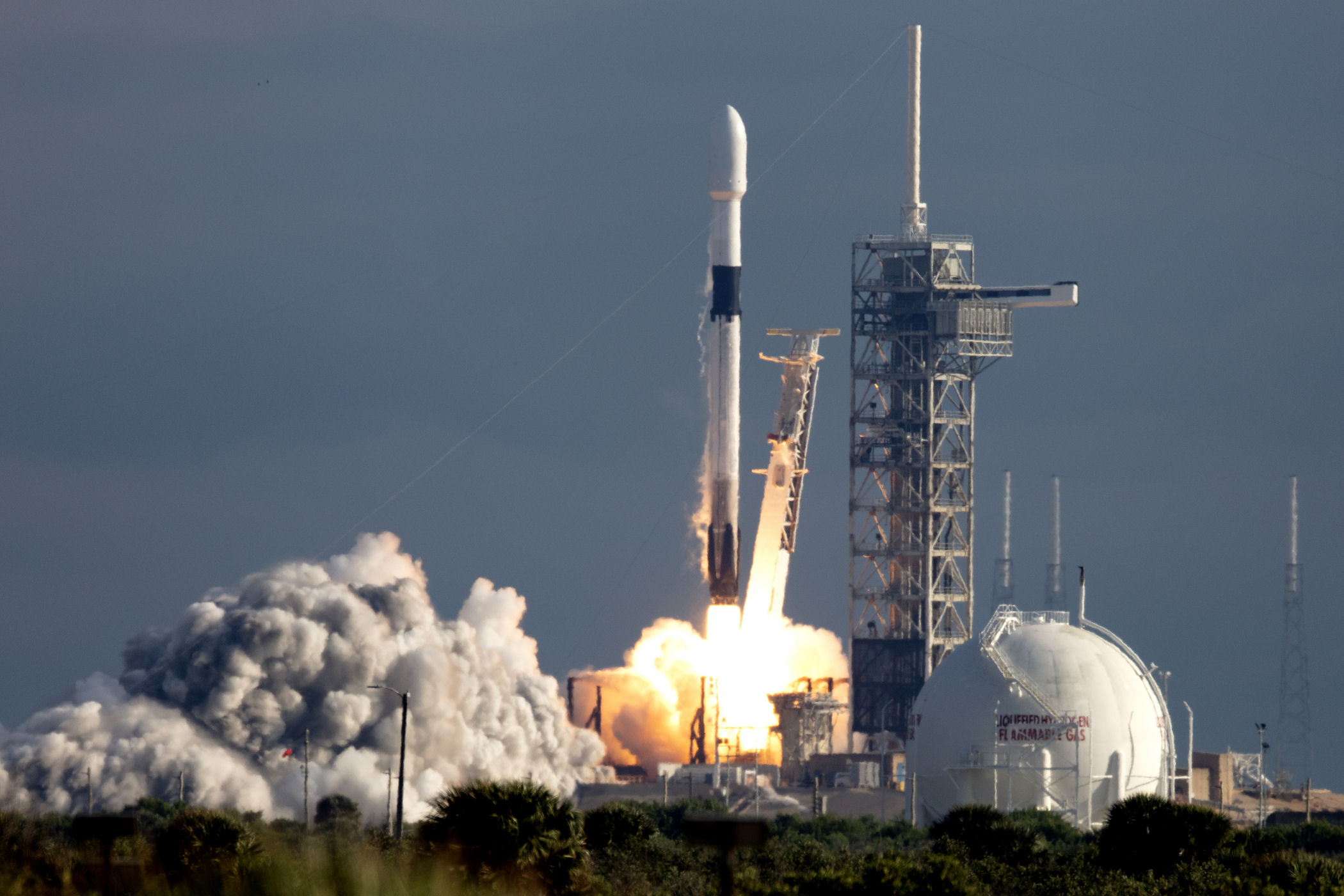
Image source: Getty Images.
Rocket Lab’s customers are waiting
Introduced in early 2021, the rocket’s early delays weren’t particularly surprising or unusual. February’s decision to postpone the first flight planned for that month to late 2026 was as alarming as it was surprising. By that time, Rocket Lab had already made agreements with the U.S. Air Force, NASA, and one unnamed satellite operator, each of which was likely counting on regular flights being possible by now. Although these contracts allow for contingencies like developmental delays, the deals aren’t necessarily inescapable either.
And that matters.
See, alternatives (in addition to SpaceX) are materializing. In cooperation with defense contractor Northrop Grumman, for instance, a company called Firefly Aerospace is working on a medium-lift launch vehicle of its own — the Eclipse — that could start flying as soon as next year. Relativity Space’s reusable, 3D-printed “Terran” medium-to-heavy lift rocket could see its first launch soon, too. Stoke Space, Isar Aerospace, Galactic Energy, Space Pioneer, and Blue Origin are just some of the other names specifically looking to serve the medium-lift space-launch market with rockets that could be flying within the next couple of years, if not sooner.
With the arguable exception of Blue Origin, none of these companies is as proven as Rocket Lab, thanks to its smaller Electron rocket, which, at over 91 flights, has successfully deployed more than 260 satellites. Not all of Rocket Lab’s confirmed Neutron customers are necessarily in a hurry either; they’ll likely hold off until the vehicle is reliably ready.
Others may not be in a position to wait, though, if another option materializes before the end of this year or in the first half of next year, if Rocket Lab runs into another delay (which is certainly conceivable).

Today’s Change
(5.31%) $3.49
Current Price
$69.23
Key Data Points
Market Cap
Day’s Range
$65.91 – $69.75
52wk Range
$37.57 – $151.00
Volume
519.4K
Avg Vol
26.8M
Gross Margin
33.77%
Perhaps the bigger risk to Rocket Lab shareholders, however, is the medium-lift business it may never win in the future because would-be customers have already had acceptable experiences with other launch-service providers.
In other words, this sliver of the orbital launch business just turned into a horse race, and Rocket Lab seems to have about as much to lose as it does to win.
The clock is ticking on Rocket Lab
The company also has something of a not-so-secret weapon. That’s its capabilities beyond mere launch. Rocket Lab can also help its customers build the very satellites they need the company to put into orbit. This integrated, one-stop-shop offering certainly makes otherwise complicated things simpler for its users.
That alone may not be enough, though. Rocket Lab’s long-term future largely depends on at least a few successful launches of Neutron by this time next year.