Robots Are Officially Better Drivers Than You: 5 Ways That Will Hit Your Wallet
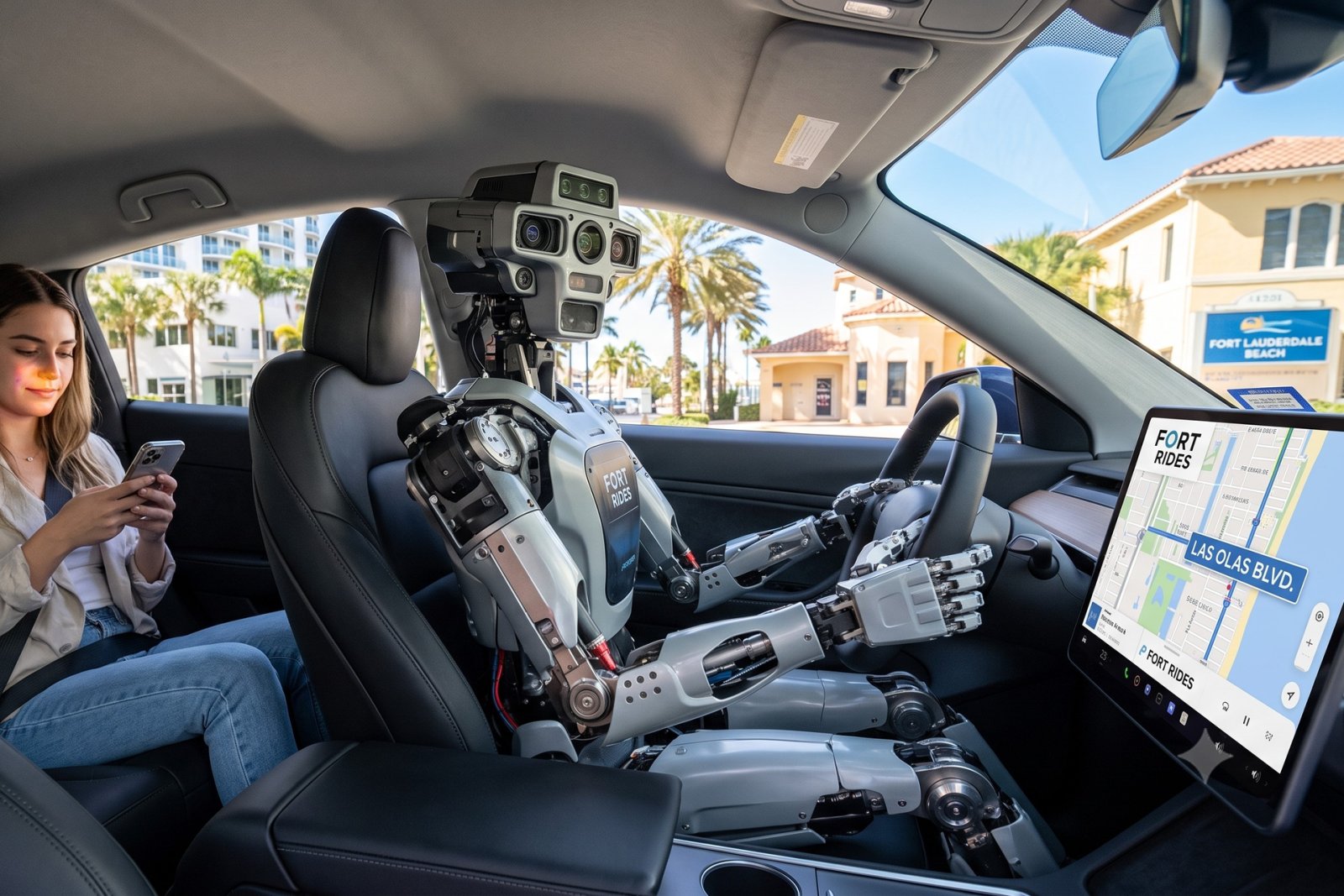
I’ve spent a good chunk of my life behind the wheel, and I’d wager you have too. So this might sting: According to the people who study car crashes for a living, a robot is probably a better driver than either of us.
The Insurance Institute for Highway Safety just published the most comprehensive comparison yet of driverless cars and human drivers. The verdict? Waymo’s robotaxis crashed 68% less often than humans driving the same streets.
That’s not a marketing claim from a company trying to sell you something. It’s independent research from the insurance industry’s own safety watchdog, based on 50 million miles of driverless operation.
The study compared Waymo’s record in Phoenix, San Francisco, Los Angeles and Austin against roughly 222 billion miles logged by human drivers in the same places. The robots were involved in 85% fewer single-vehicle crashes and 81% fewer injury crashes per mile.
So the machines won this round. But the real question isn’t who drives better. It’s what this does to your wallet. Here are five answers.
1. Don’t hold your breath for cheaper insurance
The logic seems simple: Fewer crashes mean fewer claims, and fewer claims mean lower premiums for everyone.
Nope. At least, not yet.
Insurance experts say meaningful savings won’t arrive until insurers trust the safety data completely, and we’re nowhere close. Meanwhile, cars loaded with cameras, sensors and computers cost far more to repair when something does go wrong.
In other words, crashes may become less frequent but more expensive. Those two forces pull your premium in opposite directions, and nobody knows yet which one wins.
What you can control is what you pay today. Rates vary wildly between companies, so shopping around can save you hundreds, no robot required. For example, Insurify is one company that will help you compare real-time quotes side by side without the spam. Take a few minutes and see if you’re overpaying.
2. Robotaxi rides should keep getting cheaper
Here’s where the safety numbers translate directly into dollars. Analysts at Goldman Sachs project insurance costs for autonomous robotaxis will fall from about 50 cents a mile to roughly 23 cents by 2040, according to Yahoo Finance.
Lower operating costs eventually mean lower fares. If you live in a city where robotaxis operate, the math on owning a second car gets shakier every year.
Think about it: no car payment, no insurance bill, no parking, no repairs. If a robot can haul you around for less than your monthly ownership costs, that’s found money.
Even if you’re keeping your wheels, there are plenty of ways to cut what your car costs you right now.
3. When the robot crashes, you may not be the one paying
For a century, car insurance has worked on a simple premise: Drivers cause crashes, so drivers buy coverage. Take the driver out of the equation and that premise collapses.
Robotaxis are covered by commercial policies, and legal experts expect liability to keep shifting from individual drivers toward the manufacturers and software companies behind the technology.
That transition will take years, and it’ll be messy. But the endgame is a world where the company that built the robot, not the person riding in it, answers for its mistakes.
Until then, you’re still on the hook. That’s why it pays to avoid common car insurance shopping mistakes, like buying only your state’s minimum liability coverage.
Quick aside — most internet financial advice comes from people who weren’t alive during the last recession. I’ve been writing about money for more than 35 years. Want rock-solid advice? Sign up for the free Money Talks Newsletter. Takes 10 seconds. No fluff. No spam.
4. Safe human drivers are worth more than ever
As machines prove they can drive without drama, insurers are getting pickier about pricing humans on how they actually behave behind the wheel.
That’s the promise of usage-based insurance, which tracks your braking, speed and mileage in exchange for potential discounts. We’ve covered what these programs monitor and whether they’re worth it, including the privacy trade-offs.
The trend is accelerating. In January, insurer Lemonade rolled out a policy built specifically for Tesla owners using that company’s self-driving software, according to Money magazine.
Translation: If you’re a genuinely safe driver, there’s money on the table. If you’re not, the data will rat you out. Either way, there are still a dozen ways to lower your bill that don’t involve surveillance.
5. Read the asterisks on those safety stats
Headline numbers always deserve a second look. This one’s no exception.
That 68%-fewer-accidents figure is an average, and averages hide things. Waymo’s crash rate was 76% lower than humans in Phoenix and 71% lower in Los Angeles, but only 35% lower in San Francisco. In Austin, it was actually 4% higher, though the sample there was small.
And the robots aren’t flawless. Waymo has issued six recalls, including one in June covering nearly 3,900 vehicles, some which drove into freeway construction zones, according to CNBC. The company suspended freeway operations for over two months and only resumed them in late July.
Even the study’s authors are waving a caution flag. IIHS President David Harkey said the results show driverless cars are safer “on a limited scale,” while warning that the federal crash-reporting system can’t adequately monitor a large-scale expansion.
The bottom line
The robots really do drive better than we do, at least on city streets in good conditions. That’s worth celebrating, since car crashes kill tens of thousands of Americans every year.
But don’t expect your insurance bill to thank you anytime soon. If anything, we’re living through a strange era where we pay more for insurance and use it less. The savings will flow first to the companies operating these fleets, and only later, maybe, to you.
So here’s my advice: Shop your policy every year, ask about every discount, keep your record clean and let the robots fight it out. The revolution is real. It’s just not coming to your driveway, or your premium, as fast as the headlines suggest.