
Propane vs. Gas Generator: Which Is Right for Your Home?
Power outages are a common problem during thunderstorms, so it’s a good idea to have a backup plan ready to go when the lights go out. Gas and propane generators are common choices for home backup power, RV use, and camping trips.
Propane generators, for example, burn cleaner than gasoline generators, but tend to be more costly to purchase and operate. Gasoline generators are more efficient, but the fuel has a shorter shelf life and may not always be available in emergencies due to panic buying at local gas stations. This guide outlines other differences between the two that will help you decide which type of generator is right for your home.
Propane Generators
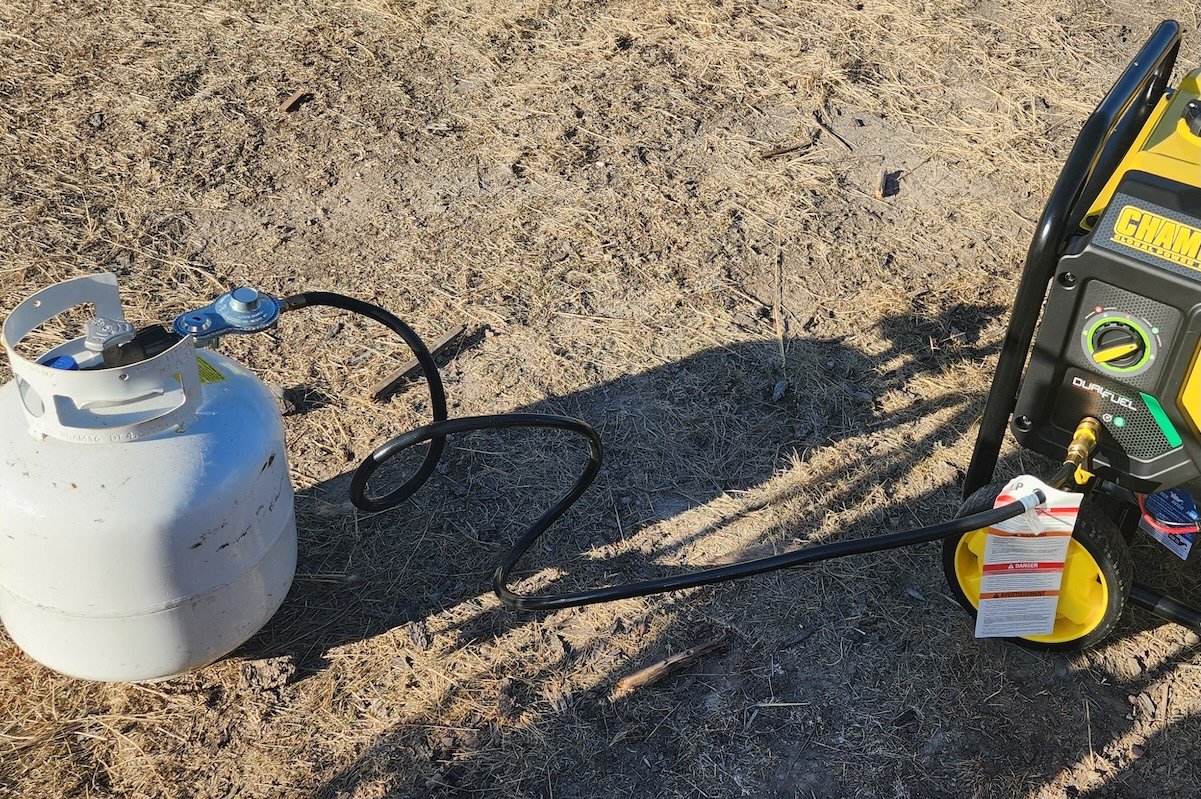
Having a basic understanding of how the different types of generators work can help decide on the right choice for your home. A propane generator operates by burning the propane in an internal combustion engine. This process creates mechanical energy, which is used to turn a rotor within a magnetic field to generate electricity that can then be used to power appliances and other electronic devices.
Pros
Choosing a propane emergency generator for the home makes it easier to stockpile fuel for emergencies. Ken Goodrich, Founder and CEO of Kenerator, says “Propane is a great option for home backup power because it stores well and burns clean. Even when natural gas is temporarily shut off due to a natural disaster or infrastructure damage, a propane tank will continue to supply power.” Additionally, propane burns cleaner than gasoline, so you can expect the best propane generators to require less maintenance and produce fewer emissions.
- Propane burns cleaner than gasoline. Propane generators won’t be as harmful to the environment during operation and will typically last longer with fewer mechanical issues.
- Propane has a longer shelf life than gas. Typically, you won’t need to replace a canister of propane, though you may need to take old tanks in every 12 years from their manufacturing date for requalification or hydrostatic testing.
- Propane is safer than gasoline to stockpile and store. You can purchase a large supply of propane canisters or invest in a tank for the property, allowing you to refuel your generator whenever an emergency arises.
Cons
Understanding how much propane a generator uses is key to deciding on the right model for your home, since propane generators tend to have lower fuel efficiency than gasoline generators. “Additionally, propane suppliers usually deliver to customers on a routine basis, so the homeowner needs to ensure they have enough propane to make it through an average outage,” notes Goodrich. It should also be mentioned that propane generators typically cost more up front and have higher operating costs, so they may not be the best choice for those looking for a cheap solution.
- Less efficient: Due to the lower energy density of propane when compared to gasoline, a propane generator will typically produce less power than a portable gasoline model of the same size.
- Need to store enough for an average outage: Since propane is not as readily available as gasoline, you need to set aside space on the property to store propane canisters or install a propane storage tank to ensure you can make it through the average outage.
- Higher up-front and operating costs: Typically, a propane generator will cost more to purchase than a gasoline model of the same size. Additionally, propane tends to cost more than gas and has a lower energy density, so you will naturally spend more to operate the propane generator.
Gas Generators
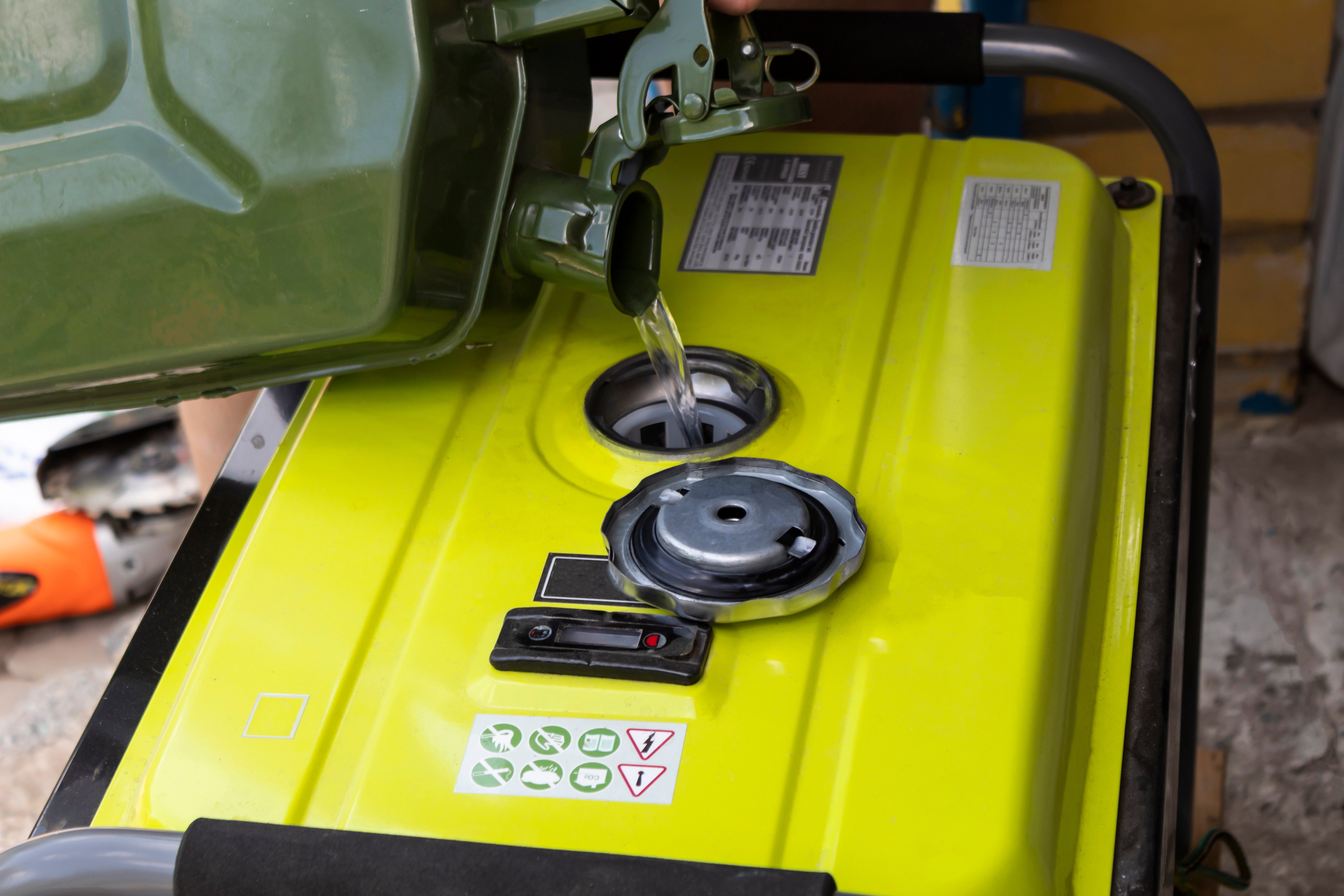
Whether you are looking to purchase a gas or propane generator, it’s good to know how the appliance operates. Generally, the operation of a gasoline generator can be described as a process that converts chemical energy into mechanical energy, which in turn produces electrical energy. More specifically, the engine burns gasoline to spin a shaft, which rotates magnets or electromagnetic fields near the stator, a stationary coil of wires. This induces a change in the magnetic field, creating an electrical current in the coils, that can then be used to power connected appliances and electrical devices.
Pros
The main benefit of a gas generator is that these appliances are more affordable to purchase and operate than propane generators, though there can be some fluctuation in the energy efficiency between specific models, so don’t hesitate to ask how much gas does a generator use when researching potential products.
Goodrich mentions that “portable gasoline generators are good options for camping and construction sites,” so you can make use of your generator even when you aren’t at home. Goodrich goes on to say that “gasoline generators are affordable, portable, easy to find, and simple to use,” making them a great choice for just about any home.
- Gas generators are easy to use and refill. Most gasoline generators have an electric starter and can even be integrated with your home circuit panel with relative ease. Gas is widely available at any station, so you can usually buy more when it is convenient.
- Gas generators are more fuel efficient. Typically, gas generators are one of the most fuel efficient generator options available, offering good power output for their size because gasoline has a higher energy density than propane.
- Gas generators are less expensive and easier to find than propane generators. Gasoline generators are typically the lowest-priced option and they are very common, ensuring that you will have plenty of options when shopping around.
Cons
While gasoline generators may be cheaper to purchase and operate, gas does not burn as cleanly as propane, so there is a higher risk that these appliances will break down or require frequent maintenance to keep them in good condition. “Gasoline engines use carburetors, as opposed to mixers, which clog easily if not run on a weekly or monthly schedule,” Goodrich points out.
- Gas has a relatively short shelf life. When you are purchasing gasoline for your generator, you need to keep in mind that it will degrade within a few months, so you can’t expect to store it for a long period of time in case of emergencies.
- Gas can be difficult to store in large quantities. Storing large amounts of gas is dangerous, since it is more volatile and flammable than propane. In fact, many HOAs won’t allow you to store large quantities of gas, so you are left with the option to purchase gas as necessary while keeping a small amount on hand for emergencies.
- Fuel shortages often occur during emergencies. Local gas stations will frequently run out of gas during severe storms, tornados, and hurricanes. Frenzied stockpiling of gas can leave you stranded without fuel at the worst possible time.
Dual-Fuel Generators
If you like the potential of both propane and gasoline generators, but can’t decide between one or the other, then you may find the best dual-fuel generators to be a good alternative. These generators work by switching between gasoline and propane using a manual or automatic fuel selector.
While the engine has the same combustion cycle for both fuels, it utilizes a built-in carburetor to atomize gasoline for combustion, but when using propane, the fuel passes through a separate external line and regulator before it is pulled into the engine by the vacuum created by the piston. Goodrich says that dual-fuel generators are “definitely a viable option. A lot of homeowners like having propane for its clean burn and long storage life, with gasoline as a backup if they run through their propane supply.”
Which Generator Is Best for Your Home?
Propane generators use safer, easier to store, and cleaner-burning fuel than gasoline generators; gas generators are more affordable to purchase and operate, with better fuel efficiency. “For most homeowners looking for reliable backup power, propane is the better long-term solution. That said, if you’re looking for something more budget-friendly, gasoline can still get the job done,” says Goodrich.
After gaining a basic understanding of the pros and cons between propane vs. gasoline generators, it’s a good idea to start your search by reading up on the best generator brands, then researching individual products that offer the features you want. Keep in mind that at the end of the day, a dual-fuel generator, powered by propane and natural gas, will offer you the best of both worlds so you are prepared for any emergency.

Curb Appeal Updates You’ll Appreciate Even If You Aren’t Selling Your Home