IHG profit rises as U.S. travel offsets Middle East

Global hotel giant IHG told CNBC a “growing middle class” is boosting travel demand, as it reported a boost in profits despite the Middle East conflict.
The U.K. company, owner of brands like Holiday Inn, Holiday Inn Express, Crowne Plaza, and Six Senses, reported Tuesday that operating profits from reportable segments grew 10% in the first half of the year to $665 million. Revenue from reportable segments was up 7% to $1.3 billion while global revenue per available room, “RevPAR,” grew 4.1%.
While RevPAR was up 4.4% in the first quarter compared to the previous year, growth slowed in the second quarter to 3.5% as the impact of the U.S.-Iran war and the travel slump in the Middle East region were felt. IHG’s shares were last seen down nearly 1.9%.
The company said accelerated growth in the U.S., Asia Pacific, and Europe helped offset the disruption from the Middle East conflict.
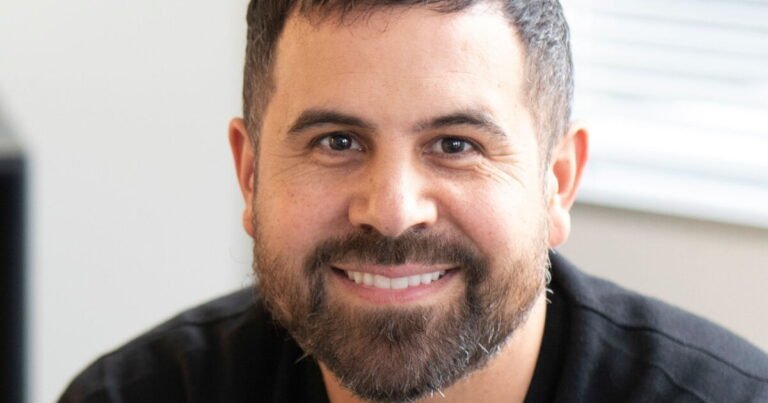
IHG CEO Elie Maalouf said on CNBC’s “Squawk Box Europe” on Tuesday that the results reflected “people’s strong preference for experiences over goods.”
“People that are rising in wellbeing, rising in wealth, retiring, doing well in their careers around the world, the growing middle class — they want to spend more on experiences than they want to spend on goods and we’re at the heart of the experience economy,” he said.
He added that the U.S. had been a “standout” because of “the underlying fundamentals of the economy … pretty high employment levels, wage growth, consumers are still spending, especially on experiences.”

Maalouf added that its growing spate of new hotels has seen very “strong demand,” particularly with wealthier consumers.
U.S. hotel demand grew from mid-June due to the World Cup, which Maalouf called a “great success commercially” for IHG.
Maalouf added that sports, concerts, and theater performances would continue to power IHG’s business.
The impact of the Middle East conflict, which began on Feb. 28, reverberated within the global travel industry, with thousands of flights cancelled, airlines grappling with surging jet-fuel costs and hotels facing booking disruptions.
Maalouf said the Middle East region made up about 5% of IHG’s business.
“Our strategy is to be very distributed…so whenever there’s a disruption somewhere in the world, we usually make it up with the strength of the rest of the business, and that’s what happened in the first half of the year, and that’s what we think will continue in the second half,” he added.