How to Test Soil pH
Soil composition can make or break a plant’s chance of thriving, whether you want to grow a favorite ornamental shrub or vegetables for a kitchen garden. Soil is a complex system, but testing soil pH is the best place to start to understand what can grow well or will do poorly in your landscape.
Soil pH can affect how available nutrients are to plants, so just adding fertilizer or amendments is not enough, especially if you don’t know whether your soil is acidic, alkaline, or neutral in pH. You can gain some insight into your region’s typical soil pH from local gardening experts, but only a pH test can reveal soil pH in a given lawn or garden bed. Below, learn how to test soil pH at home.
Understanding Soil pH
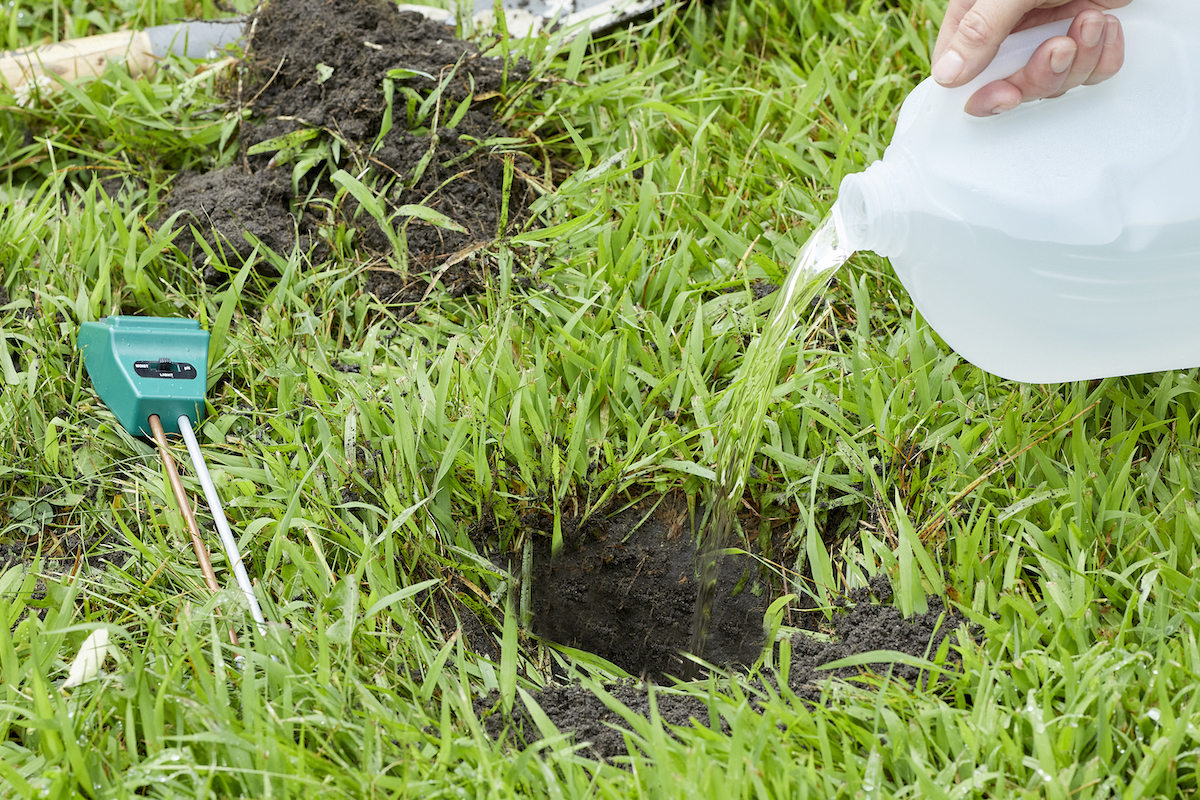
According to Iowa State University Extension and Outreach, “soil pH is the measure of the concentration of hydrogen atoms in solution.” In other words, soil can be fairly neutral in hydrogen ions or have high or low concentrations. The pH scale measures from 0 to 14, with 7 representing neutral pH. Any number below 7 indicates higher acidity, and numbers above 7 represent alkalinity. One number can make a big difference, however, since a soil that measures 6.0 is 10 times as acidic than a neutral (7.0) soil. Most soils range from 4 to 10 on the pH scale.
Some acid-loving plants, like blueberries and rhododendrons, grow better in acidic soil, and others, such as St. Augustine grass, butterfly bush and lavender, do best in alkaline soils. In general, vegetables do best in soil that is neutral or slightly above or below neutral. Soil at more extreme ends of the scale can cause problems for a number of plants. Soil with very low pH can cause aluminum or manganese toxicity in plants and increase likelihood of fungal diseases. Alkaline soils can cause deficiencies in multiple micronutrients, says Alec Kowalewski, associate professor at Oregon State University in Corvallis, Oregon.
Why You Should Test Soil pH
“A soil test is the most accurate way to determine what, if anything, your soil needs,” says Ward Dilmore, founder and head landscape designer at Petrus Luxury Estate Landscaping in northern California. Among reasons to unlock the information a soil pH test reveals are:
- Identifying reasons for problems with plant growth.
- Adjusting plant choices based on soil makeup.
- Identifying nutrients affected by low or high soil pH.
- Determining what amendments to add to raise or lower pH in garden beds.
- Selecting the best fertilizers to add to your soil for a productive garden.
Ways to Test Soil pH
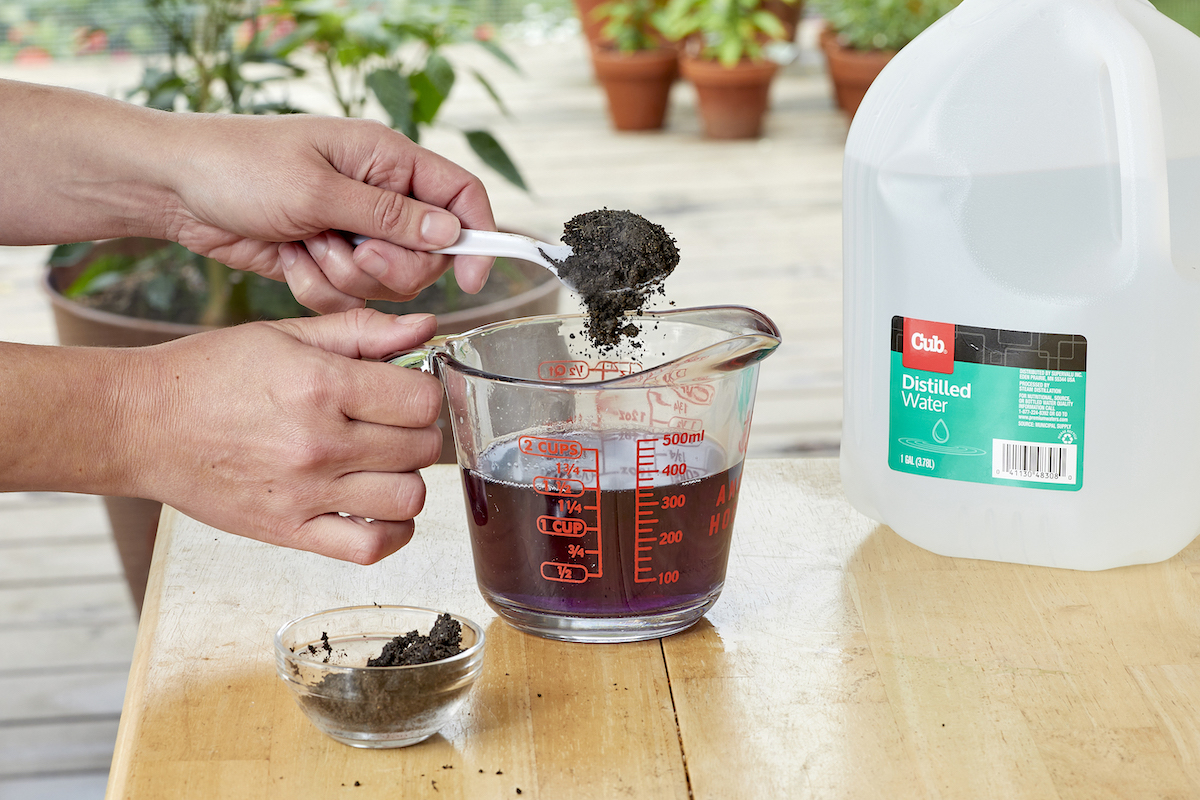
Although you can pay for a complete soil test that includes pH and nutrient levels by mailing a sample to a commercial lab, you can get a general idea of your garden soil’s pH with an at-home test kit or by using DIY methods.
A soil probe or pen might not require sample collection, since you test the soil directly. Follow the test’s instructions for digging a hole or prepping the sample area. When you send soil to a lab or use a home test kit, be sure to get a good sample. Here’s how:
- Find an area in the garden bed that is not too wet.
- Dig small holes several feet or more apart to about 6 inches deep, removing twigs or debris.
- Dig into the side of the hole for a vertical slice of soil, as even as possible.
- Mix all the samples together in a clean bucket.
- Collect enough soil to meet at least the amount needed per the test kit’s instructions.
You also can create slurry for soil pH testing from several gathered samples, add equal parts of distilled water, stir the sample and let it sit before measuring pH with a test option outlined below.
Soil pH Test Strip
Soil pH test strips consist of a strip of paper with a special coating to measure acidity or alkalinity. Mix the soil with distilled water (tap water can alter results) based on the product instructions. You then dip the strip into the soil and water solution and compare the color on the strip to a provided chart that will show where your soil falls on the pH scale. The Garden Tutor Soil pH Test Strips kit was the top pick for a pH test strip in our tested guide to the best soil test kits.
Soil pH Chemical Kit
Mimic laboratory chemical tests with an at-home chemical soil test. The kit typically contains a small clear vial and several chemical reagents. Add the reagent labeled for pH testing to a small soil sample and check the reaction against a provided color guide. Most, such as the Luster Leaf 1662 Soil Test Kit, come with agents to test pH along with other soil qualities such as nitrogen or phosphorus.
Digital Chemical Soil pH Test Kit
A digital pH soil test kit resembles other chemical test kits, but takes the guesswork out of evaluating results. Once you fill a test tube with your soil sample and some filtered water per the kit’s instructions, you insert it into the digital reader. The reader displays the pH level and can also tell whether you have too much or too little of several soil nutrients. The Luster Leaf 1605 Digital Soil Test Kit also included a booklet that lists more than 450 plants’ ideal pH levels.
Digital Soil Meter
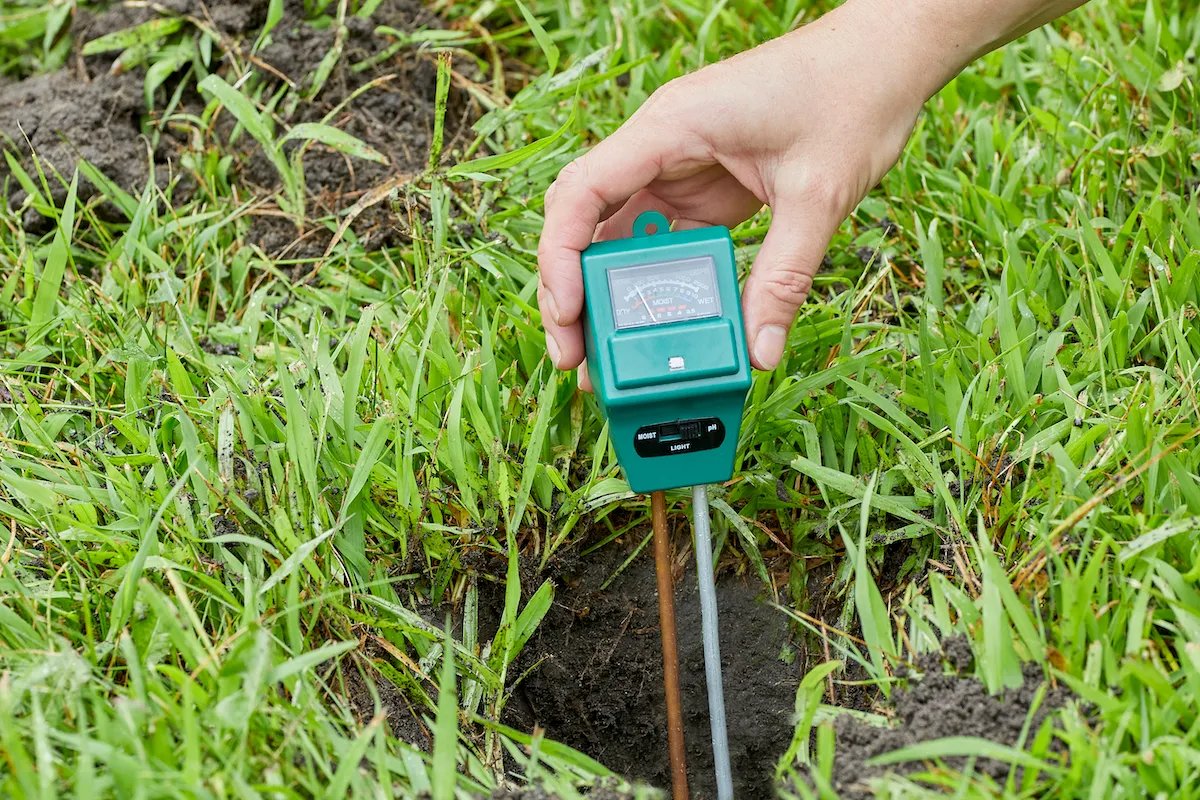
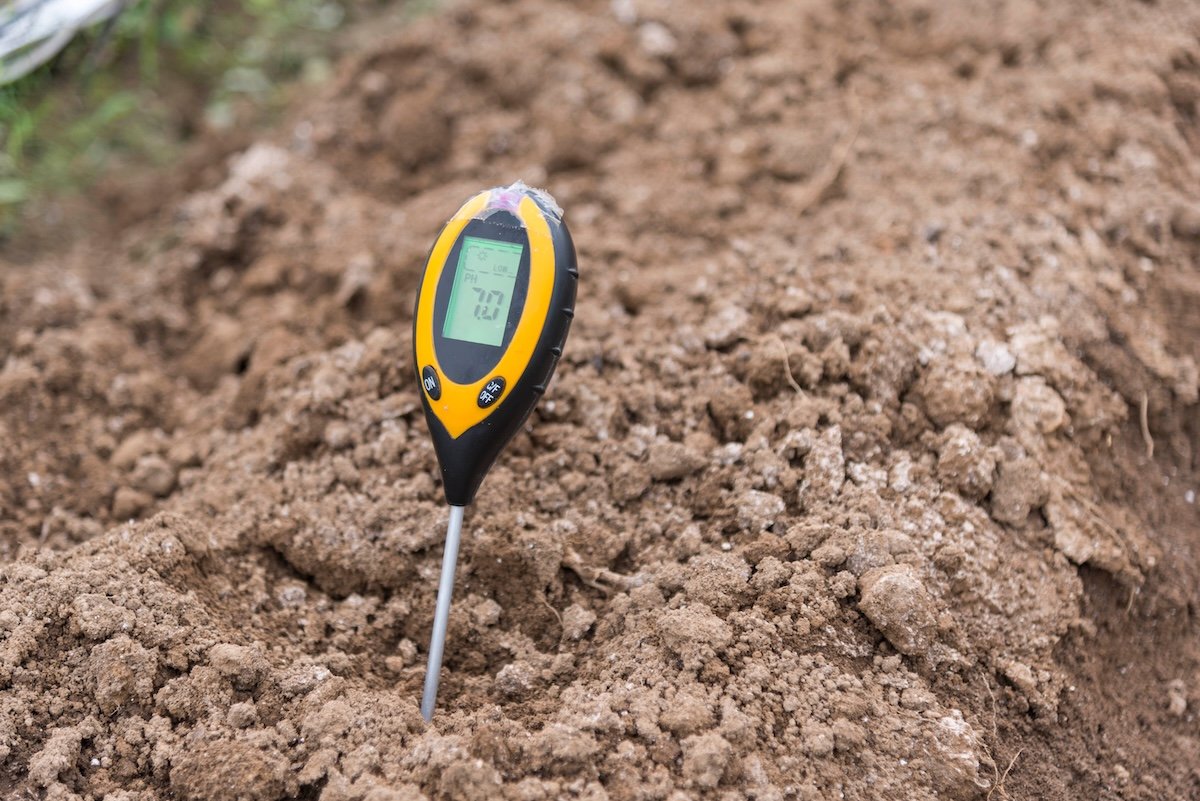
You can test basic soil pH without digging and mixing a sample by using a tester with a probe. Pocket soil meters come in several varieties, but all include a metal probe that you insert into the soil, and most measure other soil factors. You can purchase an inexpensive analog version with a hand that moves to the appropriate level, but a digital pocket meter is likely more accurate, especially if soil pH is very high or low. The Yamron pH meter 4-in-1 measures soil pH, temperature, moisture and sunlight and displays the result digitally. Follow product instructions on how to insert the probe.
Digital Soil pH Pen
Serious gardeners can get an easy and accurate pH reading with a digital pen with a probe inserted into the soil. These probes fit easily in a pocket and many can provide readings in soil and water, so they double as pH tests for swimming pools and aquariums. The Bluelab pH Pen is waterproof and provides an LCD readout of pH level. The probes will need batteries and regular calibration, so while testing itself is easy, the pen requires a little work between readings.
Vinegar and Baking Soda Test
Those all-purpose kitchen staples can come through in a pinch to provide basic information on soil pH. Place a tablespoon of soil in a small container. To test soil alkalinity, drip some vinegar on the sample. If bubbles form on the soil, it is likely alkaline, or above 7 on the pH scale. To test soil acidity, add a tablespoon of soil to a separate container and enough water to form a thick slurry. Sprinkle baking soda on it. If bubbles form, the soil is acidic. If no bubbles form with either test, your soil is likely neutral.
DIY Red Cabbage Methods
You can conduct a virtually free soil pH test at home using fresh red cabbage, either by boiling it or processing it in a blender. Follow the steps below for each method and check the color when done.
Boiling cabbage:
- Chop the cabbage into small pieces before boiling it in a pot of distilled water (refrain from using tap water).
- After about 10 minutes, the boiling water should turn violet. Remove the pot from the stove and strain out the cabbage.
- Pour some of the remaining water into a clear container.
- Add a spoonful of soil to the violet water and monitor how its color changes. If the water turns pink, that means your soil type is acidic; if blue-green, your soil is alkaline. The stronger the color change, the more acidic or alkaline the sample. If the liquid does not change color at all, then your soil is neutral.
Blending cabbage:
- Add 2 fresh red cabbage leaves to 4 cups of filtered or distilled water in a blender.
- Process until smooth.
- Pour the cabbage juice through a filter to remove solids (such as funneling a paper coffee filter).
- Add 1 tablespoon of soil to enough processed cabbage to cover the soil in a small jar.
- Close and shake the jar.
- Again, reds and pinks represent the acidic side of the pH scale, and blue to green colors mean the soil is alkaline.
How Soil Amendments Can Change pH
If your soil test reveals that the soil is highly alkaline or acidic, you can make it more neutral or adjust soil pH needed for the plant or plants you want to grow. Just beware that adding soil amendments is a slow-acting process; you cannot easily change soil pH. However, you can take steps to fix garden soil as needed to help plants grow.
Be sure to add amendments in spring or fall when soil temperatures are above 55 degrees Fahrenheit. For new garden beds, mix amendments down to about 6 or 8 inches deep and water thoroughly. If you already have plants in a bed, top-dress soil with the amendment and incorporate it into the top 2 inches of soil. Always follow package directions to ensure you do not overapply an amendment.
Amend acidic soil by raising the pH level:
- Lime (acts slowly but is safe and inexpensive)
- Dolomitic lime if a test shows that magnesium also is low
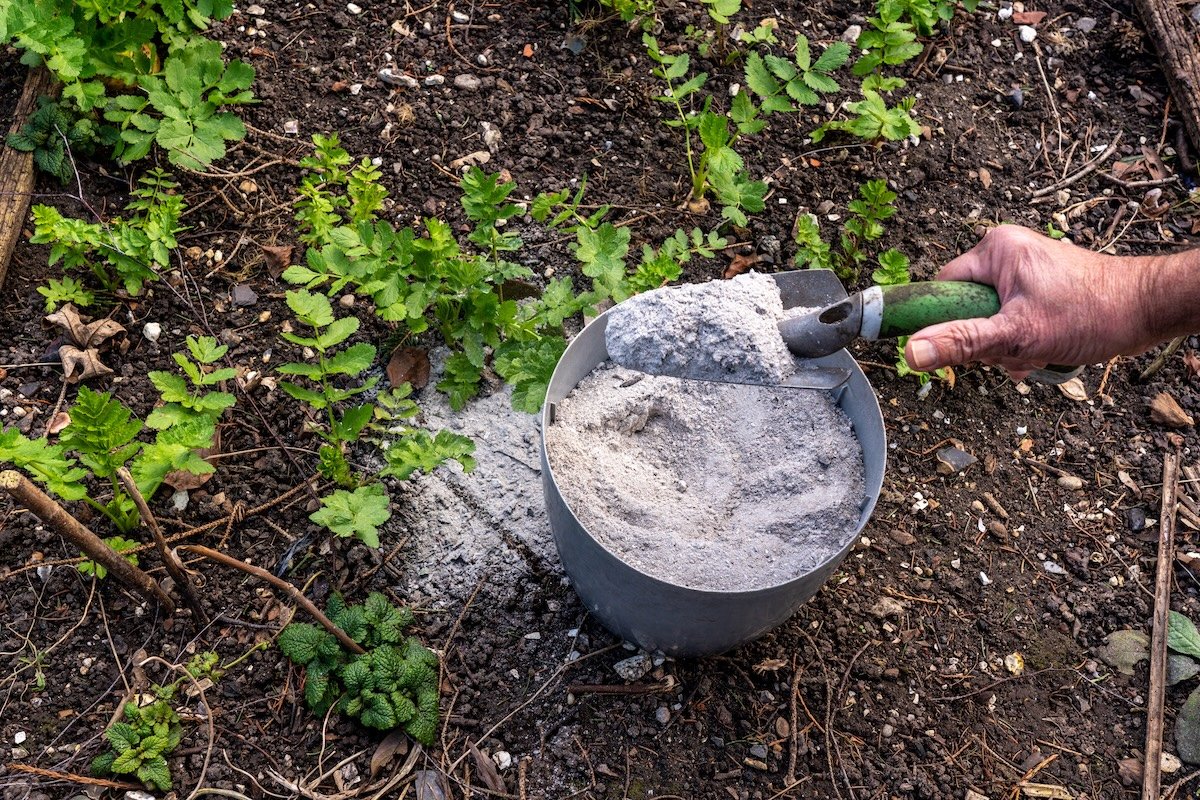
- Wood ash (takes repeated applications and more time)
Lower pH in alkaline soil with these amendments:
- Elemental sulfur (inexpensive, but slower to act)
- Aluminum sulfate for changes within days or weeks (take care not to harm plants with too much)
- Ammonium sulfate, which also adds nitrogen
- Canadian sphagnum peat moss along with sulfur (other peat moss types are more neutral or acidic)
- Well-decomposed organic composts like pine bark over time or compost tea
Factors That Affect Soil pH Levels
Soil pH depends on the rocks from which it was formed, so those living in areas with rock high in alkaline cations like basalt tend to have alkaline soil. Gardens in soil formed from acidic cations such as those from granite are more acidic. Most soil becomes more acidic over time based on factors like rain or snowfall and organic matter decomposition. The pH also varies by soil depth, and erosion of top soil can expose soil below with a different pH.
The bottom line is to know how to check soil pH so you can do it every few years in areas of concern or where you need to adjust the level to support certain plants’ growth, such as a vegetable garden. Checking often also can keep you from damaging plant growth by overcorrecting soil pH with amendments or fertilizers. And an easy solution is to work with what you have, at least in large areas of your landscape. Plants and grasses native to your region are probably best adapted to soil pH, nutrients, and climate.
FAQ
As with garden beds, you need lots of samples from different areas to get the best idea of the entire lawn’s average pH. If you do not want to dig up 10 to 15 sample holes in your lawn, start with a soil pH meter or pen. The tools’ probes insert directly into the soil, leaving a small hole only. If you have lawn problems and need a more accurate result, you might have to dig up samples for a chemical test.
If lawn or garden soil pH is out of balance, plants will show signs that they are not able to access nutrients they need. Specific symptoms depend on the plants and whether soil pH is low or high. Low (acidic) pH can cause stunted growth, brown spots of leaves, withered or dead leaves, and blossom end rot in fruit.
Plants with high pH (alkaline) often lack nutrients they need and will show similar signs such as brown spots on leaves, stunted or wilted leaves, and tip death on new leaves. Dark green leaves might show some red, bronze, or purple colors.
The best kit depends on your budget, time, and willingness to follow sample collection and test interpretation results. However, a good pH meter like the Gain Express Soil pH Meter, top pick in our tested guide to the best soil pH meters, provides ease of use and accuracy. Since it consists of a medal probe, you do not have to dig up and mix soil samples, but can test pH directly in soil.

Our Best Advice for Beginner Gardeners