How the Japanese Concept of Ryo Wo Toru Can Cool Your Home
Ever since a trip in March earlier this year, I haven’t stopped thinking about Japan. It’s a place where every little detail feels thoughtful, measured, and curated, and nowhere did I feel more inspired than in traditional homes and hotels.
One thing that struck me the most, whether I was learning how to make ramen in Tokyo or staying in a rural countryside ryokan, was that each felt calm and cool no matter the weather.
This, I’ve now learned, is down to a Japanese concept known as Ryo Wo Toru, meaning ‘to seek coolness.’ It’s a simple way to make a home feel cool without reaching for the thermostat or air conditioning − and it’s easier to implement in your own home than you may think.
Latest Videos FromHomes and Gardens
What is Ryo Wo Toru?
‘Ryo Wo Toru is a Japanese concept that means “to seek coolness” or “to find relief from the heat”,’ explains Maiko Shimazaki, who was born and raised in Japan before moving to New York and founding wellness brand Revitalist15. ‘Rather than simply lowering the temperature by blasting the AC, it is about creating a feeling of cooling by paying attention to subtle cues in the environment to help the mind and body feel refreshed. It’s the Japanese art of finding relief from heat by noticing the intangible elements that surround us.’
How to Use the Concept of Ryo Wo Tor to Cool Your Home
‘I like to think about how we experience the world through the five senses, so I included five suggestions − one for each sense,’ says Maiko. Here’s how to use the concept of Ryo Wo Toru to make your home feel like a sanctuary.
Sight

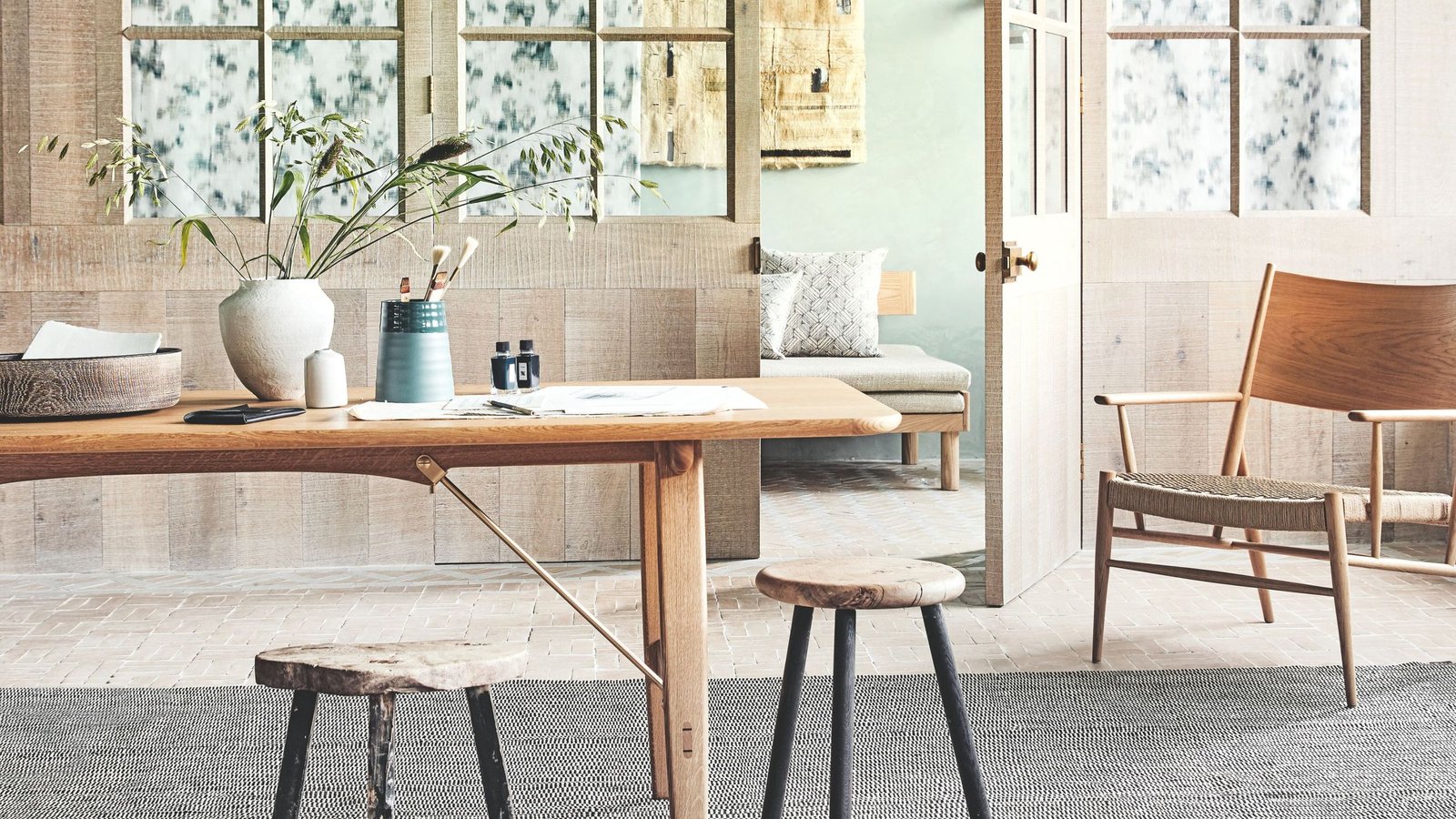
If you don’t have a fish tank or water feature, use glass and coastal elements to evoke the look and feel of water.
(Image credit: Future / Carolyn Barber)
To create the illusion of coolness, Maiko suggests using water-inspired decor and water features.
‘In Japanese homes, the sight of water has long been associated with relief from the summer heat,’ she explains. ‘A traditional kingyobachi (glass goldfish bowl), for example, reflects light and movement in a way that makes a space feel fresh and calm.
‘While homes today may not feature goldfish bowls, you can recreate the effect with clear or pale blue glass vases, bowls, and candleholders that are reminiscent of the sparkle of water. You can also swap heavier ceramics for glass tableware during the summer months.’
For example, the Stella Glass Vase, available at Anthropologie, evokes the look of waves breaking on the shore.
Sound

Place wind chimes outside of open windows and doors to let the sound fill your home.
(Image credit: Future / Time Inc (UK) Ltd)
‘The sound of a furin, a traditional Japanese wind chime often made of glass, is synonymous with summers in Japan,’ says Maiko. ‘Its light, delicate sound signals the presence of a gentle breeze, creating a feeling of coolness even before the temperature changes. Having a wind chime near an open window is a simple way to recreate this experience.’
They’re also something you should put outside your front door for good luck. The Bursvik Wind Chime, available at Amazon, will make a beautiful addition to any space.
Smell

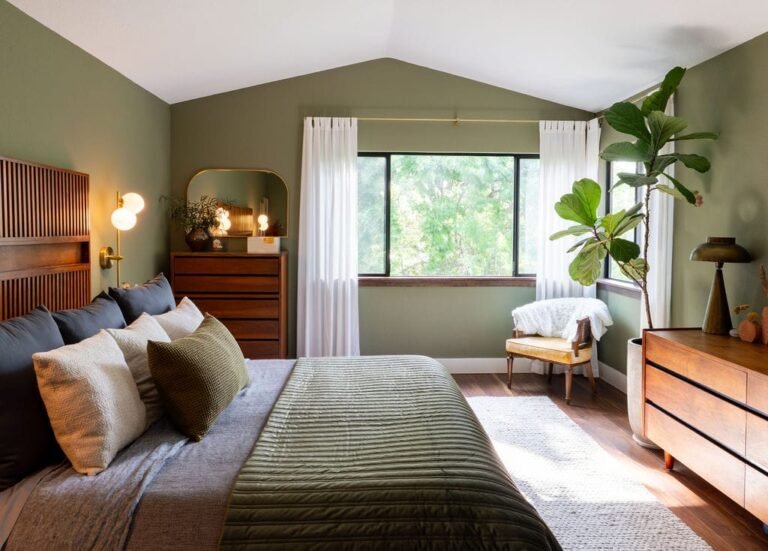
Natural scents like green tea bring a sense of calm and coolness.
(Image credit: Future / Future Publishing Ltd)
Something that I certainly noticed in my time in Japan, and that Maiko highlights, is that, rather than relying on overpowering fragrances, Japanese homes often celebrate subtle notes that are reminiscent of shaded forests, fresh greenery, and natural materials.
‘Notes like hinoki, cypress, cedarwood, bamboo, and green tea can recreate the feeling of a quiet walk in the woods or a traditional tatami room, bringing a sense of calm and coolness,’ she explains. ‘Incorporating scents that remind us of naturally cool places reflects the Japanese idea that our perception of temperature is shaped not only by the environment but also by memory and our senses.’
Another clever scent trick is using mint to make your brain feel cooler. It’s a simple way to make a space feel refreshing, and it is as easy as burning your best candle to suit. For example, I’d suggest the Crushed Mint Linnea Botanik Candle, available at Anthropologie.
Touch

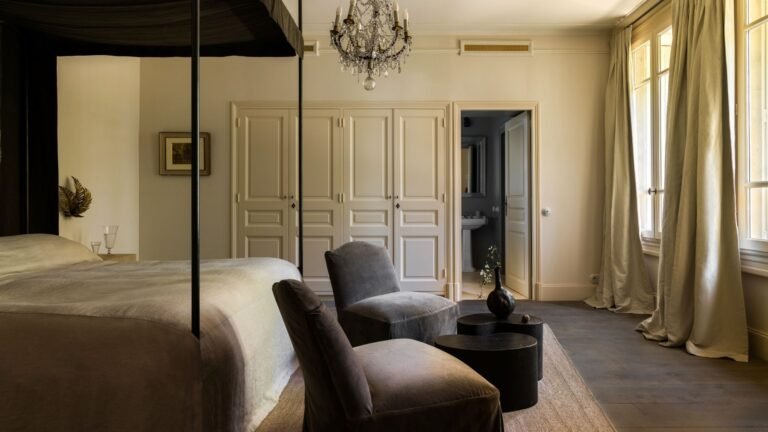
Use lightweight linens and cottons for a cooling sense of calm.
(Image credit: Future / JON DAY PHOTOGRAPHY LTD)
‘Natural fibers like linen, cotton, and hemp feel cooler against the skin because they promote airflow and allow moisture to evaporate more easily,’ says Maiko. ‘In Japan, lightweight natural textiles have long been used during the hot and humid summer months. You can incorporate this by using linen bedding, gauze blankets, and cotton pajamas.’
As the Sleep Editor here at Homes & Gardens, my Bed Threads 100% French Flax Linen White Sheets are my favorite, best bed sheets.
Taste

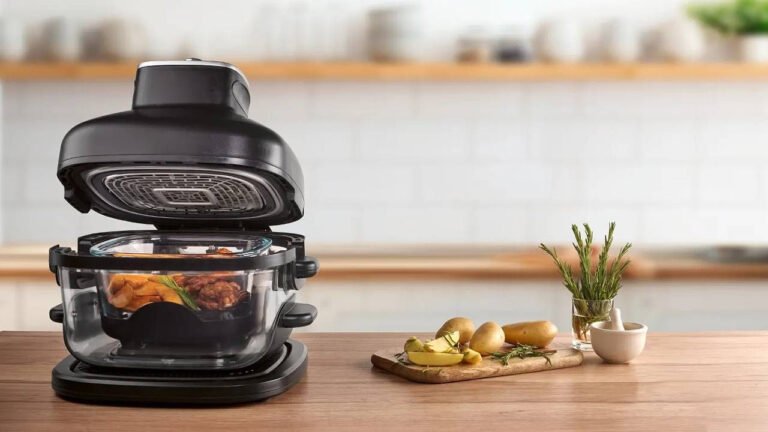
Opt for lighter foods that refresh, rather than weight down.
(Image credit: Future / ONE REPRESENTS LTD (DAMIAN RUSSELL))
Finally, while iced barley tea (mugicha) and chilled somen noodles are beloved summer staples in Japan, the principle extends far beyond Japanese cuisine. Of course, they won’t help you achieve the ideal room temperature, but they can certainly leave you feeling refreshed.
‘Hydrating seasonal fruits like watermelon, crisp vegetables such as cucumbers, refreshing herbs like mint and shiso, and light desserts like shaved ice all evoke a sense of coolness,’ shares Maiko. ‘In general, choose foods that are light, hydrating, and refreshing rather than those that are cold but may be rich or heavy.’
For example, our summer lunch recipes and classic summer gatherings menu are bursting with inspiration.
What to Shop
If any of Maiko’s advice has struck a chord with you, shop from a selection of recommendations to help bring the concept of Ryo Wo Tor alive in your own home.
All prices were correct at the time of publication.
Meet the Expert

Maiko is the founder of Revitalist15, a New York-based wellness brand rooted in Japanese relaxation rituals. She was born and raised in Japan and lived there until age 19, before moving to New York. In particular, Revitalist15 is dedicated to making rest simple, effortless, and restorative, and is inspired by Japanese self-care traditions.
Maiko also shared her Japanese sleep secrets with us, which are guaranteed to help you sleep better.
For more Japanese-inspired pieces and cooling advice, you can sign up for our newsletter so you never miss the latest features.