How Apple and consumer-facing tech fit in the enterprise-driven AI narrative
How a focus on consumer tech gives Apple an AI advantage
The story of Apple Silicon isn’t too dissimilar to Nvidia’s rapid rise in the first days of the AI theme. Where Nvidia’s GPUs were the best processing units because they served a market for gaming graphics, Apple has built a high-quality integrated software and hardware system because it iterates on the iPhone every two years. That process has resulted in an advantage for Apple in an area of AI that could show real consumer growth: on-device models.
Johnson explains that rather than running models on the cloud and processing prompts in data centres, many of the daily tasks that consumers and ordinary people use AI for can be done by chips on a single device. This may get easier as inference, the process that makes AI less compute-intensive, improves. By building on-device AI, Johnson says that Apple can help make their smart devices even smarter. The gadgets themselves will be roughly the same shape and size, but their capabilities will be greater.
The highly disruptive and widely-heralded nature of AI makes some investors and consumers think that every aspect of technology is changing with it. While Johnson continues to emphasize the ‘transformative’ nature of this technology, he also stresses that some of the traditional dynamics in tech will remain in place. That includes a consumer need for devices, and specialized success for companies that serve consumers and enterprise. The longstanding dynamic between Apple and Microsoft as leaders in consumer and enterprise tech respectively should, in his view, continue into the age of AI.
What device-leasing does for Apple
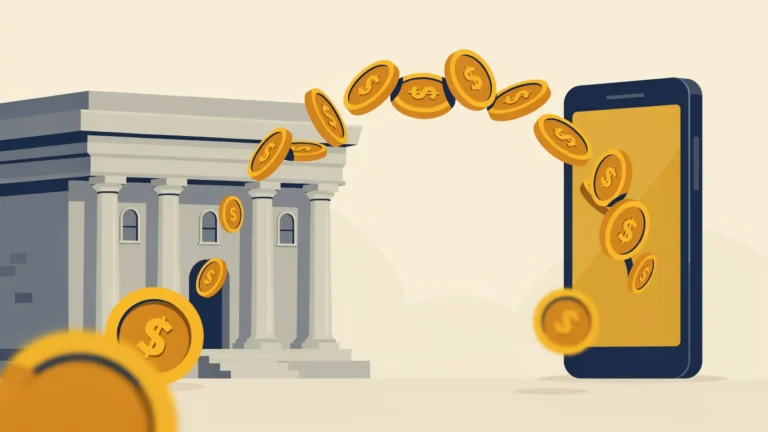
There is an inflationary dynamic behind the new leasing model that Apple and Klarna are rolling out, but Johnson emphasizes Apple’s broader strategic shift towards more recurring revenue as a more prized form of income. Johnson notes that much of Apple’s success has come from building devices aimed at more affluent consumers, the upper arm of the K-shaped economy. Those are the kind of consumers who can afford to change devices every few years.
Nevertheless, even those consumers might be put off by the sticker shock of a $1,500 phone. Monthly payments may be easier to sign up for, and the idea of leasing and upgrading also serves Apple’s wider ecosystem of services like iCloud. As on-device AI tools improve, the leasing program may result in consumers treating their iPhones like a leased car. The end result is that it turns hardware into a service, which gives greater recurring revenues, more visibility into forward earnings, and makes Apple all the more investor friendly.