Feeling Run Down? Everything You Need to Know About CKM Syndrome
Feeling unusually tired, changes in bathroom frequency, noticing swelling in your legs or feet, or becoming short of breath when climbing a flight of stairs may all seem like separate health concerns, but they aren’t always.
Rather than existing in isolation, conditions such as obesity, type 2 diabetes, chronic kidney disease and cardiovascular disease often develop together, with each making the others more likely and more severe.
To better recognize such connections, doctors have recently introduced the term cardiovascular-kidney-metabolic (CKM) syndrome, which can take us “one step closer to understanding the root cause of all vascular disease … to prevent multiple conditions,” says Clyde Yancy, former president of the American Heart Association and chief of cardiology at Northwestern University Feinberg School of Medicine.
Here’s what CKM syndrome is, how it progresses, and how it is typically treated so you can recognize the warning signs earlier and take steps to protect your long-term health.
What Is CKM Syndrome?
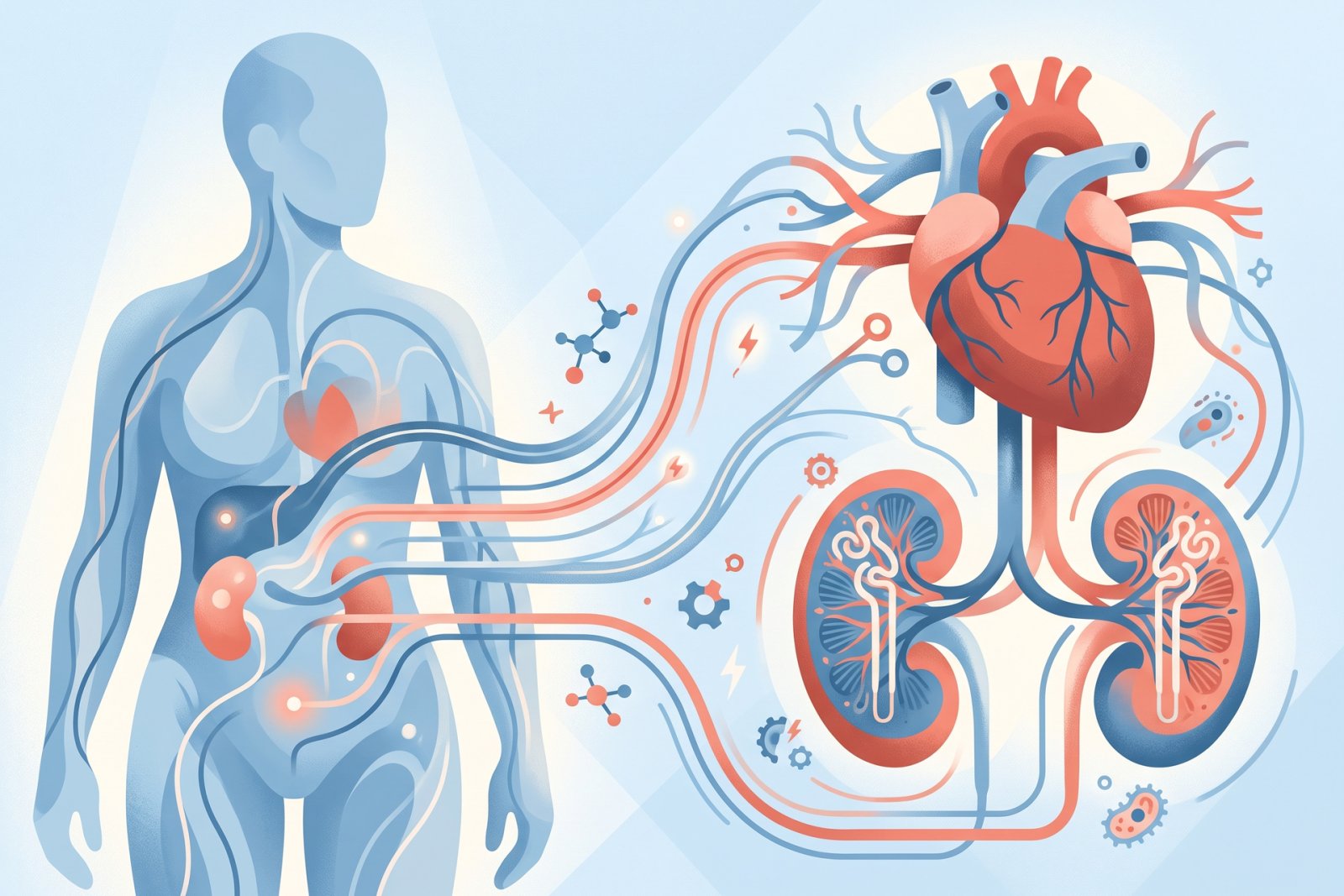
Cardiovascular-kidney-metabolic syndrome is a health condition that recognizes the close relationship between excess body weight, metabolic disorders such as type 2 diabetes, chronic kidney disease, and cardiovascular disease. Rather than viewing these illnesses as separate diagnoses, CKM syndrome acknowledges that “these conditions feed into one another, creating a cycle of systemic inflammation and organ damage,” says Dr. Shaline Rao, a cardiologist at NYU Langone Hospital-Long Island, through shared processes including insulin resistance, chronic inflammation, abnormal cholesterol levels, high blood pressure, and impaired kidney function.
According to the American Heart Association, about 1 in 3 U.S. adults have CKM syndrome, with many unaware they have it until significant damage has already occurred. Still, symptoms can accompany the condition, Rao explains, including fatigue, swelling in the legs or ankles, shortness of breath, frequent urination, increased thirst, or chest discomfort.
Diagnosis is based on evaluating several factors together, such as body mass index or waist circumference, blood pressure, blood sugar levels, cholesterol levels, kidney function tests, urine protein testing, and an assessment for existing heart disease, rather than identifying only one disease. Yancy says this broader approach can help clinicians identify people at high risk before serious complications such as heart attack, stroke, heart failure, or kidney failure further develop.
What Are the Stages of CKM Syndrome?
CKM syndrome is classified into five stages, “with each successive stage requiring more specific steps to treat or manage,” says Yancy.
In Stage 0, a person has no known metabolic, kidney, or cardiovascular disease and is considered to have “optimal health with no risk factors,” Rao says.
Stage 1 includes “carrying extra weight around the waist” and other excess body fat or other early metabolic risk factors, notes Rao, that increase future disease risk.
Stage 2 involves the development of metabolic conditions such as prediabetes, type 2 diabetes, high blood pressure, elevated triglycerides, or early chronic kidney disease, but without cardiovascular disease yet occurring, notes Yancy.
Stage 3 describes individuals with kidney disease or multiple high-risk factors that place them at a substantially increased likelihood of developing cardiovascular disease as well within the next decade, but “without obvious symptoms,” says Rao.
Stage 4 represents “established cardiovascular disease,” says Rao, such as coronary artery disease, heart failure, stroke, or peripheral artery disease occurring alongside metabolic disease and/or chronic kidney disease.
What Causes CKM Syndrome?
CKM syndrome develops because the body’s metabolic, cardiovascular, and kidney systems are deeply interconnected.
Excess body fat — especially around the abdomen — “is strongly implicated in the genesis of CKM,” explains Yancy, because it promotes chronic inflammation, insulin resistance, and hormonal changes that increase blood sugar, blood pressure and cholesterol abnormalities.
Over time, such factors can damage blood vessels and place added strain on both the heart and kidneys, notes Rao. Genetics, aging, family history, physical inactivity, smoking, and a history of pregnancy-related complications such as gestational diabetes or preeclampsia “can also drastically raise a person’s baseline risk for developing full CKM syndrome later in life,” says Rao.
A less obvious risk factor is obstructive sleep apnea, which “spikes the body’s cortisol and other stress responses, directly elevating blood pressure and worsening insulin resistance overnight,” she says.
Chronic anxiety and depression are also recognized as risk factors, Rao adds, because “they not only impact behavioral habits but also drive biological inflammation and hormonal imbalances that speed up the progression of CKM syndrome.”
How Is CKM Syndrome Typically Treated?
Managing and preventing CKM syndrome “relies heavily on a proactive mix of clinical therapies and concrete, daily at-home habits,” says Rao.
She explains that lifestyle changes remain the foundation of care and typically include losing excess weight when appropriate, eating a heart-healthy dietary pattern such as the Mediterranean or DASH diet, monitoring key health measures at home, exercising regularly, and quitting smoking. “Prioritizing seven to nine hours of quality sleep nightly and incorporating stress-reduction practices like meditation or regular breathing exercises can also be very helpful,” she adds.
Medications to control blood pressure, cholesterol and blood sugar are also commonly used to slow disease progression while also protecting the heart and kidneys. Newer medications, including SGLT2 inhibitors and GLP-1 receptor agonists, “have also been shown to have cardio and kidney protective effects while still improving overall metabolic health,” says Rao.
But because CKM syndrome “often progresses quietly before major symptoms appear,” adds Rao, early detection is just as important as treatment.
To help with this, she recommends routine CKM screening for anyone with risk factors such as obesity, high blood pressure, prediabetes or diabetes, chronic kidney disease, or a family history of heart disease. She also suggests seeking prompt medical attention if you develop symptoms that could signal worsening heart or kidney disease, including unexplained shortness of breath, swelling in your legs or feet, persistent fatigue, changes in urination, foamy urine, or chest discomfort.
Ultimately, though, there is more reason for optimism than ever before. “Never before have we had such clarity in the origin of heart disease or the assessment, with precision, of those at risk,” says Yancy. “And better risk assessment leads to better prevention, which leads to less disease, both in likelihood and in severity.”
Reporting by Daryl Austin, USA TODAY / USA TODAY. USA TODAY Network via Reuters Connect.