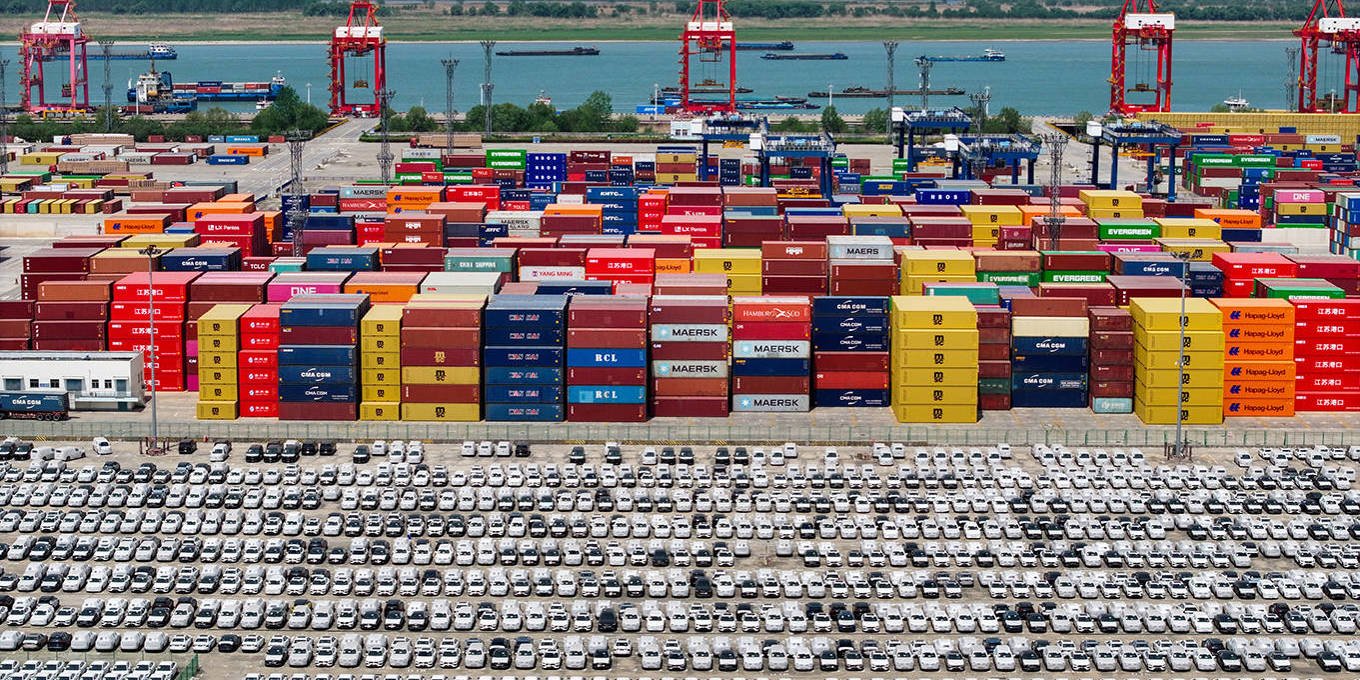
Excess Savings Are Driving the New China Shock by Daniel Gros
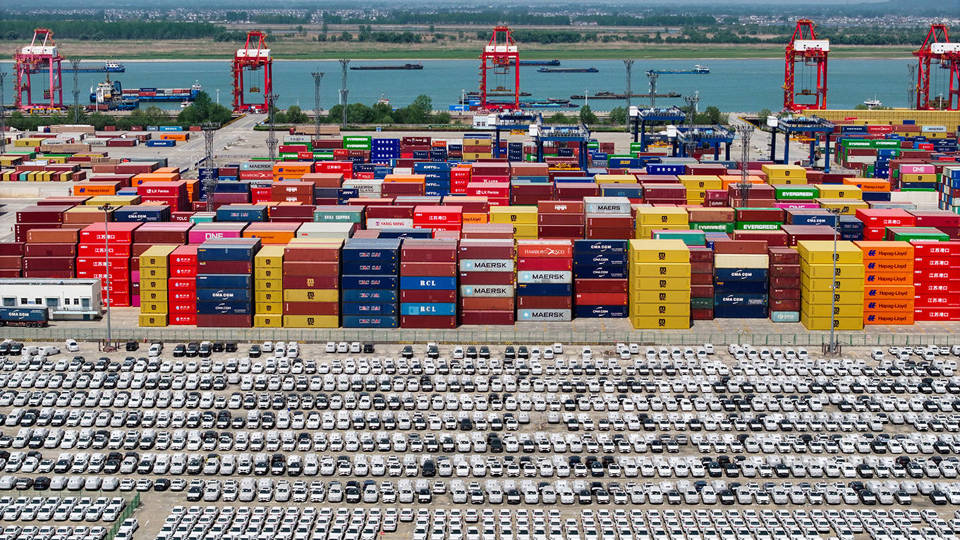
The current China shock combines continued supply upgrading with an absorption problem: the decline in property and related investment has reduced domestic demand, but national saving remains very high. The result is a larger savings-investment surplus that spills into net exports.






BRUSSELS—The first “China shock” followed China’s entry to the world trading system, when the mobilization of its massive pool of low-cost labor, combined with heavy investment from abroad, caused global manufacturing capacity to shift decisively toward the country. The new China shock is different: it is rooted in domestic technological upgrading and amplified by weak domestic demand.