EU Plans to Sanction Record 1,600 Firms for Helping Russia
The European Union is planning to sanction more than 1,600 companies it says are helping Russia’s war against Ukraine, the most firms it has blacklisted in one package.
The targeted companies have a combined annual turnover of more than $20 billion and employ more than 265,000 people, according to people familiar with the matter.
If approved, the package would represent a 50% jump in EU-sanctioned entities during Russia’s war in Ukraine, the people added, speaking anonymously to describe the private work. All EU countries will have to sign off on the penalties.
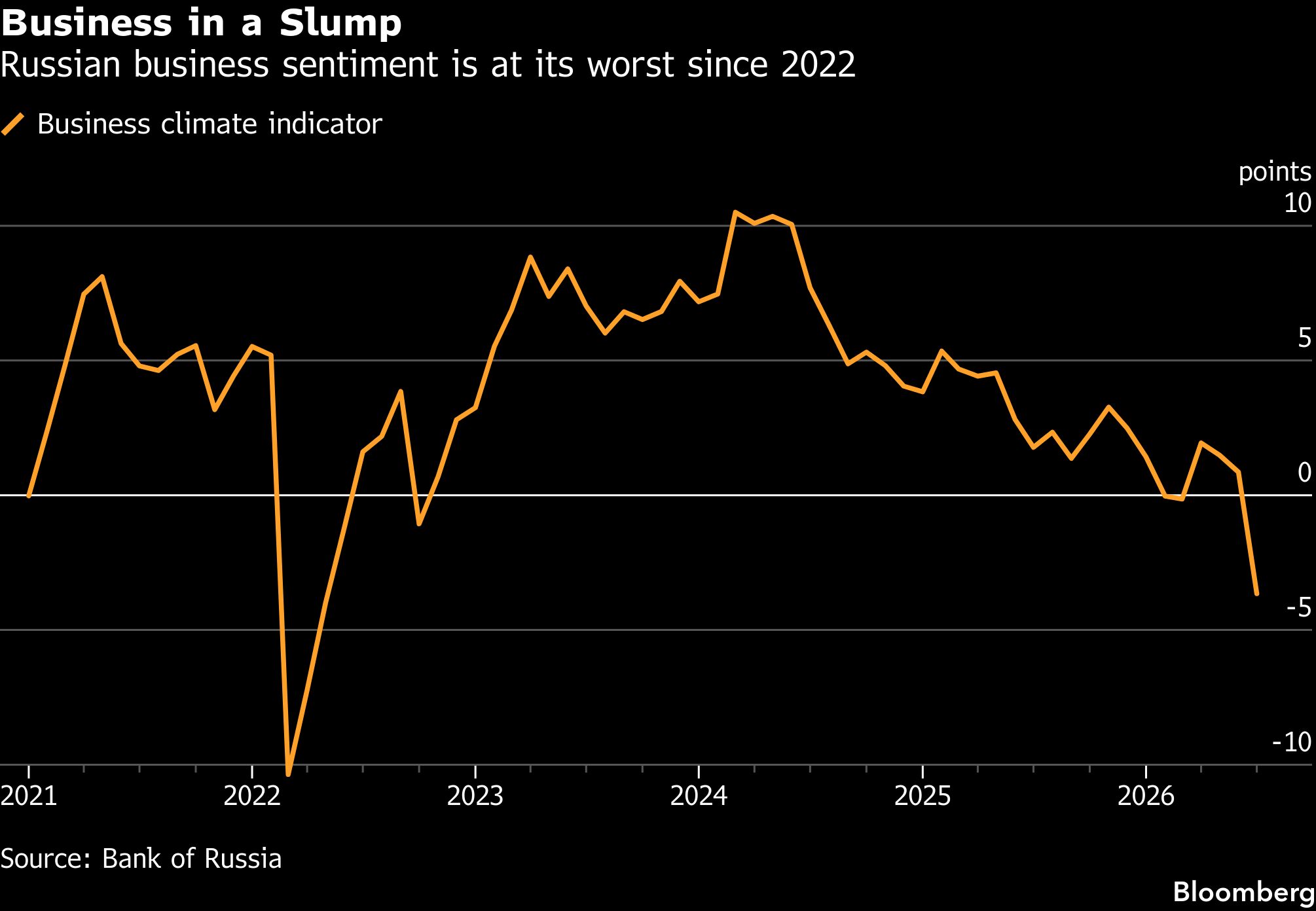
The proposal is the EU’s latest attempt to squeeze Russian President Vladimir Putin and bring him to the negotiating table. European leaders say Ukraine’s strengthened battlefield position and Russia’s sagging economy have created an opportunity to push for fresh peace talks, as Moscow revises down growth projections for 2026.
US President Donald Trump is also reengaging on the war, pledging to help Kyiv build air defenses and welcoming Ukrainian President Volodymyr Zelenskyy to Washington on Tuesday.
The EU has increasingly struggled to adopt sanctions against Moscow, however, as countries request carve-outs to blunt economic damage.
The latest package — which is being prepared by the EU’s foreign policy division, the European External Action Service — goes after specific companies, rather than products or entire industries. It has been in the works for several months, as officials try to target any unsanctioned elements of Russia’s military industrial complex, the people said.
While the proposal would significantly boost the number of EU-sanctioned firms, it would likely not reach the economic impact of prior packages that went after Russia’s oil industry and banking system.
An EEAS spokesperson declined to comment.
The new proposal will land in a difficult climate. The EU recently had to weaken several proposals as part of its 21st sanctions package on Moscow. Most notably, it scaled back a suggested ban on the transfer of Russian liquefied natural gas to foreign countries after Greece balked.
France and Italy also pushed to downgrade a proposal to bar former Russian combatants from entering the EU. Other nations successfully killed potential import bans on some Russian fish, such as cod and pollock.
Given these struggles, officials told EU envoys they plan to circulate the new proposal in the coming weeks to give capitals plenty of time for review, the people said. The goal will then be to adopt the sanctions when foreign ministers gather in October.
Separately, the bloc is preparing additional restrictive measures related to the forced deportation of Ukrainian children, the people added. Those could also be adopted in the fall.
The new package comes as Ukraine and Russia increase their attacks. Ukraine is striking oil refineries and fuel depots deep inside Russia, while Moscow has depleted Kyiv’s supply of missile interceptors with its heavy strikes on major cities.
Meanwhile, Germany, France and the UK — Europe’s three biggest economies — are leading renewed efforts to engage Putin in peace talks in coordination with Zelenskyy. European Council President Antonio Costa’s team also reached out to the Kremlin to open a channel in preparation for potential talks to end the war.
Putin, however, has refused all calls for a ceasefire to allow for peace talks, arguing it would let Kyiv rearm and bolster its defenses. He wants Ukraine, as a condition of any peace accord, to surrender territory in its eastern Donetsk region, which Kyiv has ruled out.
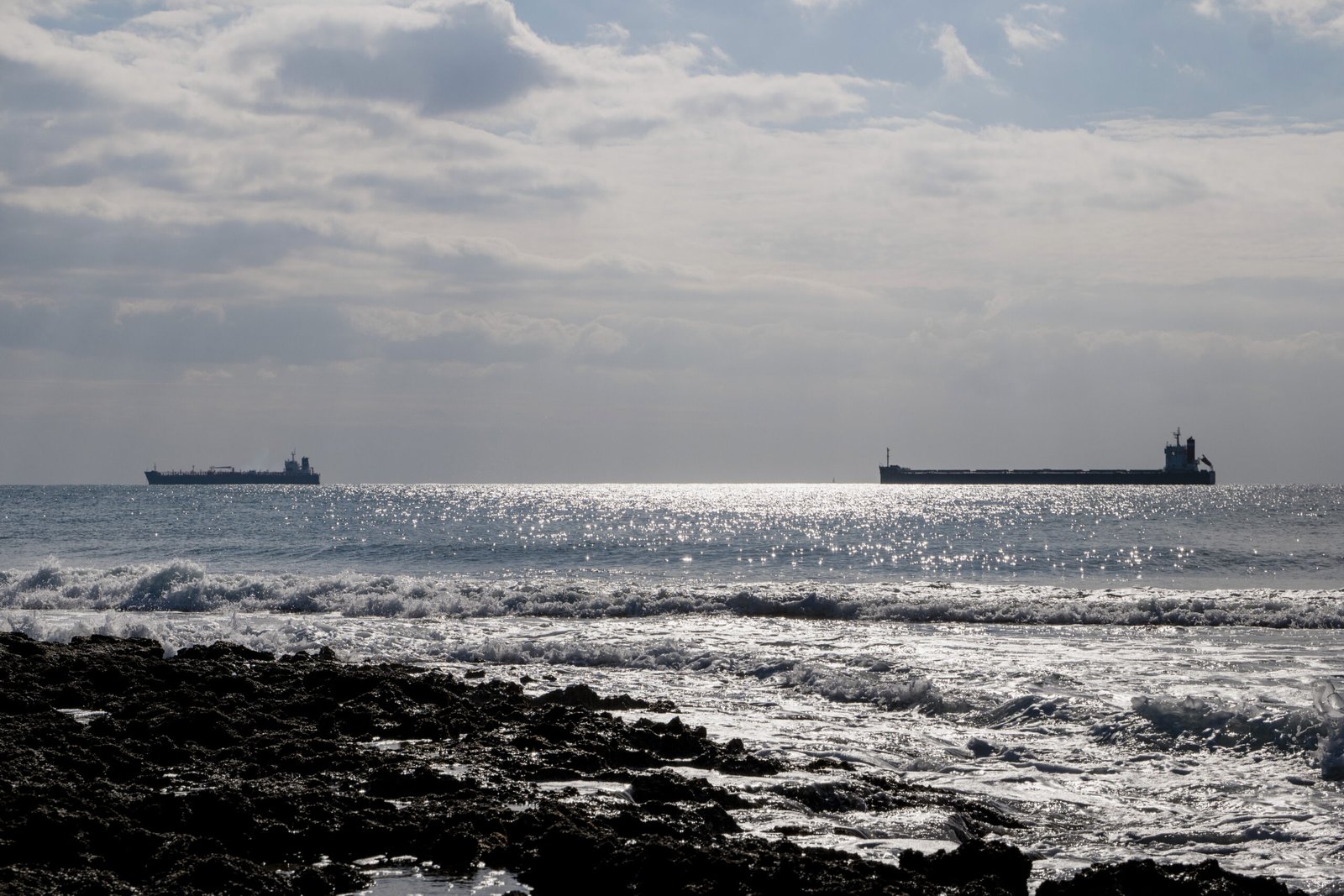
Photograph: Oil and LNG tanker vessels; photo credit: Jeremy Suyker/Bloomberg
Related:
Copyright 2026 Bloomberg.
The most important insurance news,in your inbox every business day.
Get the insurance industry’s trusted newsletter