Entrepreneurial ecosystem draws dealmakers to Spanish mid-market
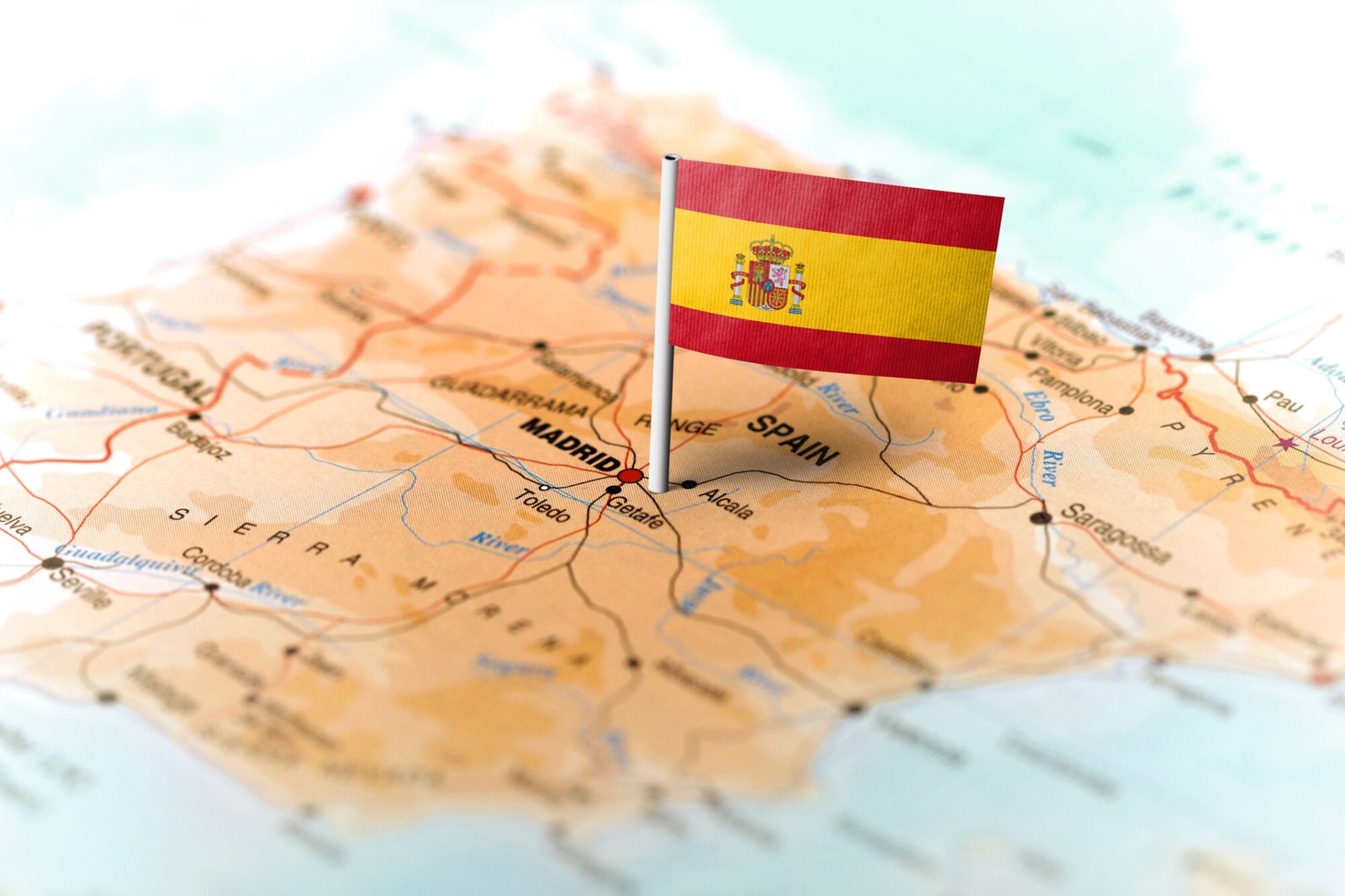
Spain may be one of the biggest tourist destinations in the world, but it’s not just holidaymakers seeking the Spanish sun – dealmakers have been busy picking up businesses in the country. Private equity firms are opening offices in major Spanish cities and appointing staff to oversee investment activities in Spain and wider Iberia.
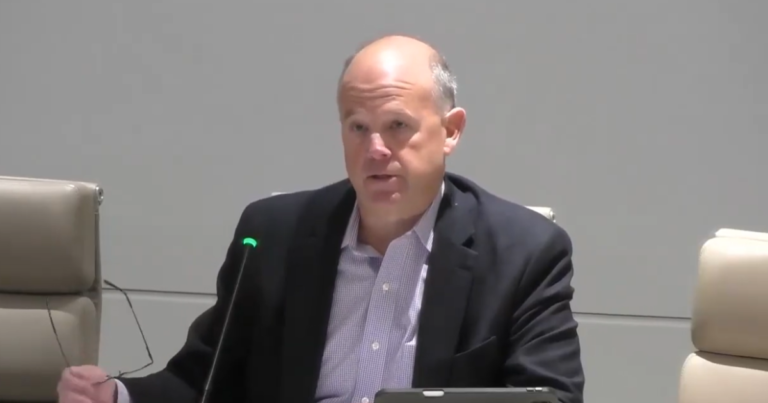
PE Hub spoke to Christopher Masek, CEO of IK Partners, and Valero Domingo, partner at Oakley Capital, to get the sponsor view on why Spain stands out among other European economies and to learn where the dealmaking opportunities in the country are. We also spoke to Ernesto Plevisani, managing director in Alantra‘s investment banking arm, and Connor Kohlenberg, a partner at consultants West Monroe.

‘Value destination’
Oakley made a bet on Spanish founders that has paid off. In 2022, the firm acquired legaltech business vLex, a company founded in Barcelona in 2000 by Lluis and Angel Faus. Only three years later, it sold vLex to strategic buyer Clio for $1 billion, with Lluis and Angel still in place as CEO and CTO, respectively. The exit won PE Hub’s Mid-Cap Europe Deal of the Year Award.
Opportunities have risen beyond homegrown founders. “In recent years, we have seen a lot of inflow of talent into the region,” Oakley’s Domingo told PE Hub. “That has generated an ecosystem of entrepreneurs and a capital market that is fueling the Spanish economy.”
Several factors have drawn incomers, said Madrid-based Domingo. “We have not been in the recent energy or political crises,” he said. “If we’re in the news, it’s for news such as soccer or a tourism surge – and that’s pretty positive.”
The private equity ecosystem is another reason why investors look at the region. Southern Europe in general is a “value destination,” where the lack of mega-funds has increased accessibility for mid-market investors, said West Monroe’s Kohlenberg.
“They can find really good assets with good products [and] services at a competitive price that make a great platform for a buy-and-build – something we know PE loves,” he added.
International funds have been busy in Spain. They contributed 59 percent of total investment volume in the first half of the year, according to SpainCap, a Spanish private equity and venture capital association.
The exit market has been particularly strong, despite a wider slowdown in private equity sales. Divestments were €3.2 billion in H1, said SpainCap, up two-thirds on the first half of last year and the highest level on record. That came despite deal numbers being stable year-on-year at 574 and investments dropping 14 percent to €3.8 billion over the period. In more positive news, domestic fundraising was €2.3 billion, up 6.3 percent year-on-year and the best half-year figure since SpainCap began tracking the data in 2009 – suggesting that the record divestments are finding their way back into the PE ecosystem.
Family values

There is a “deep pool” of family owned businesses across Iberia, Masek at IK Partners told PE Hub. “Many of Iberia’s strongest companies have that family owned heritage and a number are now approaching succession decisions or looking for external support to professionalize, scale and expand internationally.”
IK Partners announced plans in July for a new office in Madrid, appointing Gonzalo Fernandez-Albiñana as partner to lead a team based in the city. IK’s portfolio already contains Spanish businesses. Among them is Audens, a frozen food company that IK-backed GoodLife Foods agreed to acquire in 2024.
While there is a wide range of quality businesses to choose from, transacting in Spain requires more than sector knowledge. Alantra’s Plevisani said it’s crucial to understand the language and culture in the country. “In the mid-market, where they want to do primary deals, it’s mostly family owned companies,” he said. “Those types of operations take longer; you need to visit the family, convince them and establish a personal relationship.”
Oakley’s Domingo echoed his peers. “We have Latin culture – I’d say we’re warm people. You need this personal touch to establish relationships.”
Big appetite
All the sources speaking to PE Hub brought up business services as the hottest sector in Spain, followed by industrials.

“The reason for that is ease of export into rest of mainland Europe, lower cost of labor and the ability to have highly skilled workers and well-crafted goods that can be sold at more competitive prices,” said West Monroe’s Kohlenberg.
Spanish’s position as one of the most spoken languages in the world means education assets are particularly sought-after. “Due to Spain being part of the EU, a lot of people want to study here,” said Oakley’s Domingo. “That has fueled not only higher education, but also tech and K12 companies.”
No deal better exemplifies that then when Permira agreed to sell a majority stake in Universidad Europea, a network of premium higher-education campuses across Europe, to EQT in 2024. The enterprise value for the Madrid-based company was more than €2 billion, sources close to the matter told PE Hub at the time.
The regulated and resilient Spanish and Portuguese private higher-education markets are expected to grow over coming years, driven by demographic trends as well as demand from international students in Europe and Latin America, EQT said in a release accompanying the announcement.
Other education deals include Camden Partners-backed Triumph Higher Education acquiring Culinary Institute of Barcelona, a private international culinary school, in July. IK Partners also has a Spanish education business in its portfolio. It agreed to acquire e-learning provider Skill & You from Andera Partners in 2021.
While talent and tourists head toward Spain, the local entrepreneurs and founders have their sights set elsewhere. “There’s a big appetite to go west – here in Spain, we look to South and North America,” said Domingo. “That’s the end goal for a lot of companies.”
A July investment in Salto Systems, a provider of smart electronic access control technology based in Oiartzun, was one such example. The deal, which market sources told PE Hub valued the business at €1.5 billion, saw Inflexion make a minority position, while Alantra exited via its Fund III and reinvested through its Fund VI and a dedicated co-investment vehicle.
Some of the new cash is planned to support Salto’s expansion in high-growth markets, particularly North America.