
Brown Recluse Vs. Wolf Spider: How To Easily Tell The Difference

While some people do not care for spiders, there are only two groups in the U.S. that are considered dangerous to humans because of their venom: brown and widow spiders. These include the infamous brown recluse spider (Loxosceles reclusa) and the black widow spider (Latrodectus mactans or Lactrodectus variolus). Wolf spiders (Hogna, Tigrosa, and other genera) are among the most commonly feared spider species, but they are not venomous. They can occasionally bite people when threatened, but the symptoms are usually mild and are not considered medical emergencies. Unless you’re familiar with spider species, it’s easy to mix up the venomous brown recluse with the harmless wolf spider because of perceived similarities in color and markings. You certainly don’t want to get too close to the spider in question, and you should not pick it up for examination. Instead, there are some fairly easy ways to tell the difference between brown recluse and wolf spiders based on their size, number of eyes, presence of hair, and other features and behaviors.
One (literal) big difference between brown recluse and wolf spiders is size. Wolf spiders are much larger than recluse spiders. Depending on the species, wolf spiders can range from 0.5 to 2 inches long. A brown recluse, on the other hand, tends to be much smaller. The brown recluse is 0.4 inches long on average, or about the size of a quarter. While brown recluses do come in varying shades of brown, wolf spiders can be either brown or gray (or sometimes both!). Some wolf spider species may even have yellow, black, or red markings.
Other ways to tell brown reclusive and wolf spiders apart
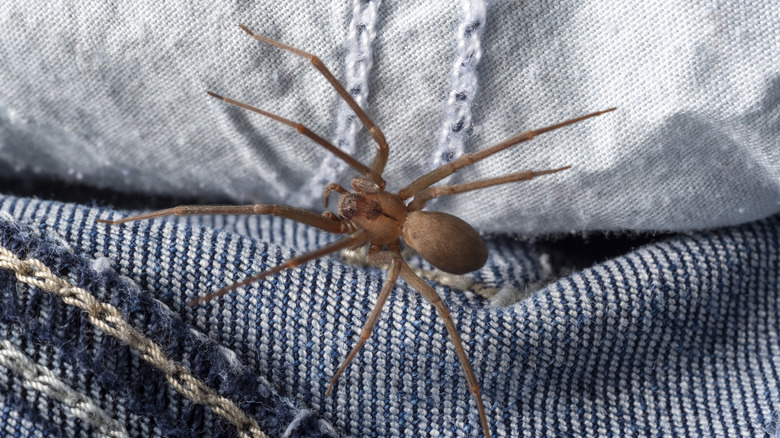
Another easy way to tell a brown recluse from a wolf spider is by the number of their eyes. Like most spiders, wolf spiders have eight eyes in total, with two large ones in the middle of their faces. Brown recluses are unique because they have six eyes, which are arranged in three pairs across their faces. While you certainly may not have time to sit there and count a spider’s eyes, it is possible to notice these differences at a quick glance, especially in the large wolf spider.
Both wolf and brown recluse spiders can be brown, but the recluses sport dark violin-shaped spots on their backs. For this reason, they are also known as “violin spiders” or “fiddlebacks. Wolf spiders are sometimes mistaken for brown recluses because of stripes or similar patterns on the head and abdomen. However, wolf spiders do not have violin markings on their backs, and brown recluses do not have abdominal markings at all. Wolf spiders also have distinct stripes on their legs, while brown recluses do not have stripes. Additionally, wolf and recluse spiders have different hair. Wolf spiders tend to have abundant, thick, coarse hair. Brown recluse spiders, on the other hand, have much finer hair that isn’t usually noticeable with the naked eye.
Differences in location and hiding places may also offer clues
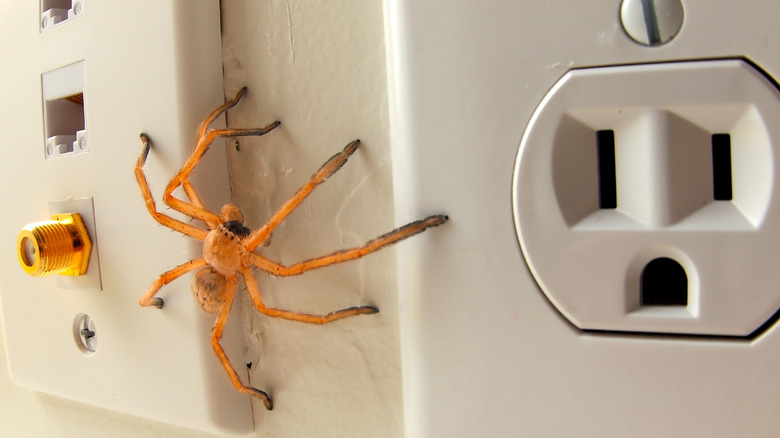
Wolf spiders don’t spin webs. They pounce on their prey. Brown recluse spider webs look quite different from those of other spider species. The recluse’s web, however, isn’t used to catch food. Instead, the web is used as a place to hide. Favored spots where recluse spiders like to hide include piles of wood or abandoned toys in your yard, but these spiders are also known to enter structures like homes.
Once you spot spiders lurking in and around your home, there are also some behaviors and habits that can provide clues as to which spider you’re dealing with. Both brown recluse and wolf spiders are nocturnal. Brown recluses favor wood and paper-based hiding spots, including wood furniture, cardboard boxes, and wood framing inside walls. Wolf spiders tend to prefer warm, humid spots. It’s also possible to encounter both types of spiders in parts of your home that aren’t accessed frequently, such as attics, crawl spaces, and unfinished basements.
It’s worth noting that despite the brown recluse’s venom, it is not typically aggressive towards humans. Such rare (but potentially dangerous) bites tend to occur when a person scares the spider or accidentally touches them in a hiding place, such as shoes or bedding. If you suspect brown recluse or wolf spider problems in your home, it’s important to talk with a professional about pest control to help prevent such incidents.