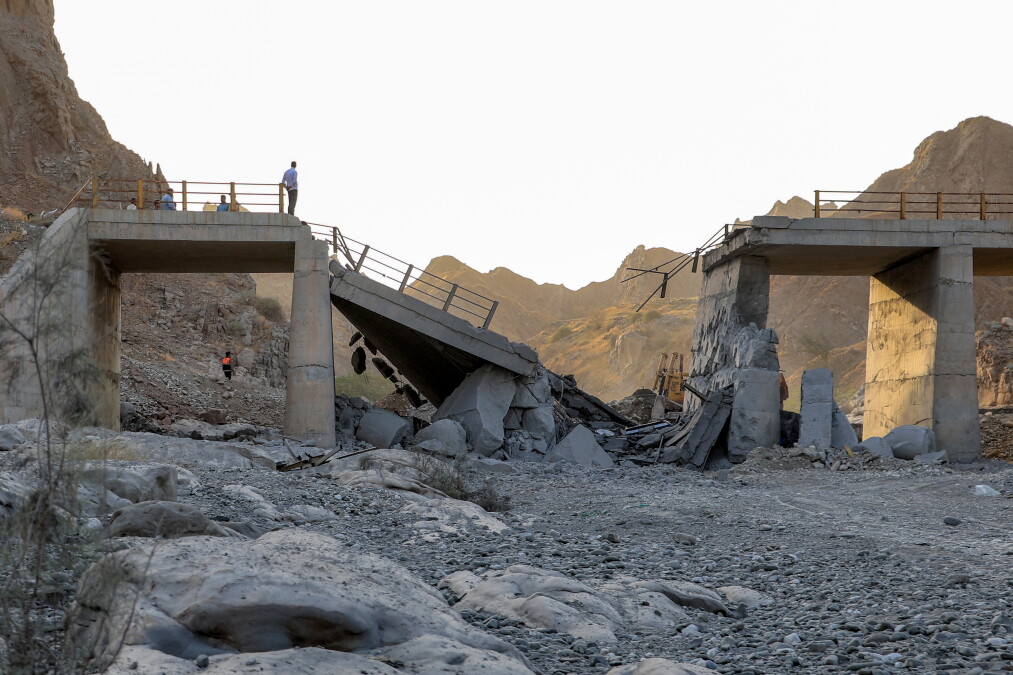
The continuing conflict in the Middle East is leading to soaring commodity prices along with supply chain disruptions, and accountants are feeling the pressure, according to a new survey released Tuesday by the Association of Chartered Certified Accountants and Institute of Management Accountants.
Processing Content
The ACCA and IMA’s quarterly
Accountants in the C-suite are seeing the growing costs of the war at their own companies. An overwhelming 83% majority of CFOs globally reported increased costs, following a record-breaking rise of over 20 percentage points from Q1, close to the peaks recorded in 2022 and 2023.
Rising prices are influencing expectations, with 72% of accountants and finance professionals expecting the inflation rate in their country to increase over the next three months, down slightly from Q1, but up significantly from 50% in Q4 2025. When asked about interest rates, 42% of the survey respondents now expect a rise in their country over the next three months, compared with 35% previously and just 16% in Q4 2025.
“Sharply rising costs were unsurprisingly a major issue for firms in Q2,” said ACCA chief economist Jonathan Ashworth in a statement Tuesday. “If they increasingly try to pass these on to the consumer, this would significantly raise the risk of policy tightening by the world’s major central banks. That said, policymakers will be hoping for favorable developments on the diplomatic front, and a return of oil prices to around pre-crisis levels, potentially allowing them to sit on their hands for the rest of 2026. Despite some improvement in confidence, accountants globally remain very cautious, likely in part reflecting the uncertain and unpredictable operating environment which has become the ‘new normal’ in recent years.”
The poll found some recovery in confidence among accountants globally in Q2, from what was close to a record low in Q1. While the survey respondents remain relatively downbeat, the improvement probably reflects the relative resilience of the global economy and signs of movement toward a potential resolution of the conflict at the time when the survey was conducted, and that may have reduced fears of worst-case scenarios. However, now that Iran and the U.S. have resumed trading missile and drone strikes and oil and gas prices have climbed in the past week, that recovery in confidence may be short-lived.
Nevertheless, declines in the Global New Orders, Capital Expenditure and Employment indices in the survey point to some slowing in global growth, probably reflecting headwinds from increased private sector caution, rising inflation, and tighter-than-expected monetary policy, although they don’t appear to be signalling a major economic slowdown.
Confidence among accountants remains weak by historical standards in North America and Western Europe, but after a sharp recovery in Q2 it’s now meaningfully above average in the Asia-Pacific region. While the region is exposed to developments in the Middle East, hopes of a potential resolution of the conflict and the relative resilience of the global economy may have been factors boosting sentiment, along with the global AI boom, of which the region’s exporters are major beneficiaries.
Economic pressures returned as accountants’ top risk priority in Q2 2026 (22%), ahead of geopolitical instability (20%) and cybersecurity (14%). The survey respondents described how understanding the current risk landscape extends beyond traditional economic cycle management, pointing to the converging effects of prolonged wars, rising cybercrime and policy uncertainty. AI featured prominently, with comments focusing on sustainable value, cyber resilience and accountability.
“The AI boom is providing major support to the global economy and financial markets, but developments in the Middle East over coming months will be crucial,” said Alain Mulder, senior director of Europe operations and global special projects at the IMA, in a statement. “If progress can be made in resolving the conflict, that would clearly be supportive for global growth as we progress through the second half of 2026. But downside risks would quickly build if there were a return to major hostilities and surge in energy prices.”