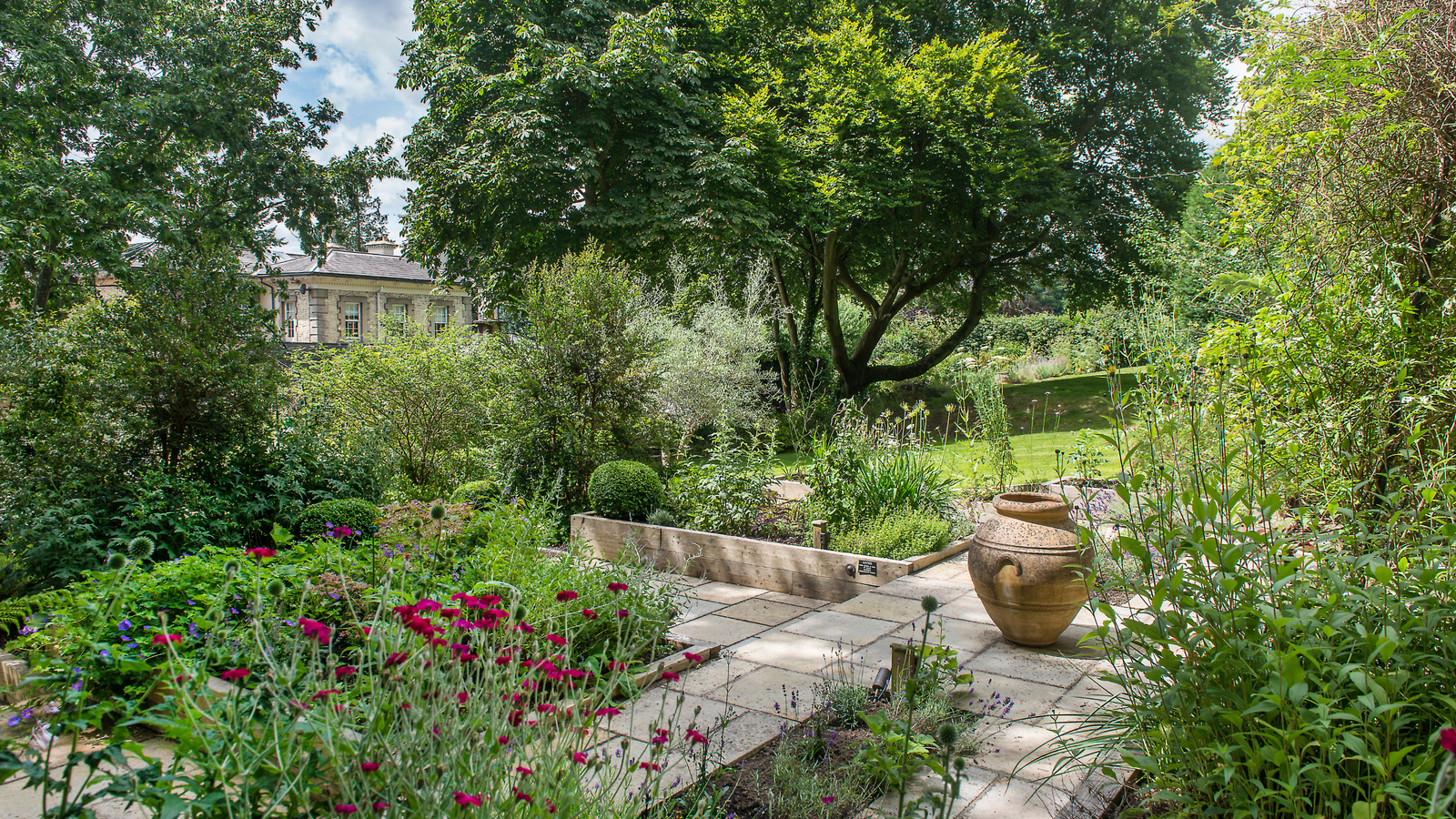
How the Ideal Home team is ‘lemonading’ their gardens
When life gives you lemons, you make lemonade. You know the saying. But you may not have heard of lemonading, an emerging garden trend that focuses on making your garden’s imperfections work in your favour – and following this summer’s relentless heatwaves, now is the perfect time to get started.
One thing that’s abundantly clear from this year’s garden trends is that resilient, hardy gardens are everyone’s goal in 2026. We want plants that withstand heatwaves and landscaping ideas that can go toe to toe with flood risk, and it needs to look good while doing so.
Interestingly, the lemonading approach is one of the best ways to achieve a resilient garden. By embracing your garden’s flaws, rather than trying to ‘fix’ them, you can build an outdoor space that can withstand the elements and look good all year round.
Latest Videos FromIdeal Home
What is lemonading?
While a perfectly manicured garden is no more than a dream for most of us. I’m not saying it to be disheartening, but your garden will have flaws, and instead of wasting time, money and energy trying to fix them, why not embrace them? Plus, considering your garden is probably a little battered and bruised after this year’s intense heatwave, there are likely plenty of imperfections to embrace.

(Image credit: Future PLC/ Jacky Hobbs)
‘As a gardener, I think the ‘lemonading’ trend is a really positive approach, particularly after the recent heatwaves. The idea comes from the saying ‘when life gives you lemons, make lemonade’, and in the garden it’s all about turning challenges into opportunities rather than focusing on what’s gone wrong,’ says Luke Newnes, gardening expert at Hillarys.
‘For me, ‘lemonading’ means working with nature instead of against it. If a plant struggles in the heat, I see it as a chance to find a variety that’s better suited to those conditions. If a self-seeded flower appears somewhere unexpected and thrives, I’ll often embrace it rather than pull it out. It’s about being flexible, creative and open-minded.’
Naturally, this trend lends itself to wildlife-friendly garden ideas and rewilding as it encourages us to let nature influence our gardens.
‘Some of the most beneficial things we can do for nature come from allowing our gardens to be a little less controlled. By giving plants space to grow, welcoming wildflowers and creating habitats for insects and other wildlife, we can turn small garden moments into something that has a much bigger impact,’ adds Dr Emily Attlee, conservation scientist and co-founder of the original seed ball company, Seedball.
How to follow the trend
‘Lemonading in the garden is about working with nature rather than trying to control every element of your outdoor space. It could be as simple as leaving a small patch of lawn to grow longer, allowing wildflowers to self-seed, or planting a mix of native and wildlife-friendly flowers that will provide food for pollinators throughout the seasons,’ says Dr Emily.

(Image credit: Future PLC/Joe Bailey)
‘Instead of removing every plant that appears unexpectedly, take a moment to see what it might be. Many wild plants that are often considered weeds can be incredibly valuable sources of nectar, pollen and shelter for insects,’ she adds.
‘In my own garden, I like to leave room for things to surprise me. Allowing plants to grow naturally and seeing which species arrive brings a sense of discovery and helps create a more varied habitat for wildlife. Every flower, seed and plant plays a role in supporting biodiversity – whether that’s providing nectar for bees, food for birds or shelter for small insects.’
Lemonading looks different in every garden. So I asked our experts and some of the Ideal Home team how they use the lemonading trend in their garden.

Amy Lockwood
‘When I moved into my house, I inherited a garden filled with sedums, which I wasn’t sure that I liked. However, I kept them as they were so well established, and now I love how many bees and butterflies they attract in late summer. Plus, they’re one of the few plants in my garden that have been LOVING this hot and sunny summer, and they haven’t needed any watering.
‘Three years into stewarding this garden, I’ve also discovered that (unsurprisingly) nature is far better at planting than I am. Very few of the verbena I planted have come through, but the ones that have self-seeded have found the exact conditions they need in the garden and are absolutely thriving. I’m definitely discovering successful gardening is often about relaxing control and letting nature do its thing – so I’m fully in favour of lemonading!’

(Image credit: Future PLC/Joe Bailey)

‘I inherited a rather badly paved little courtyard garden, the pavers had no grout between them which means weeds are constantly growing up between them. However this summer I decided to stop fighting the weeds and work with them to create a patchwork patio. I only pull up the particularly tall or out of place ones, but I’ve left any small or ground cover weeks to fill in the gaps in my patio.’

Sarah Handley
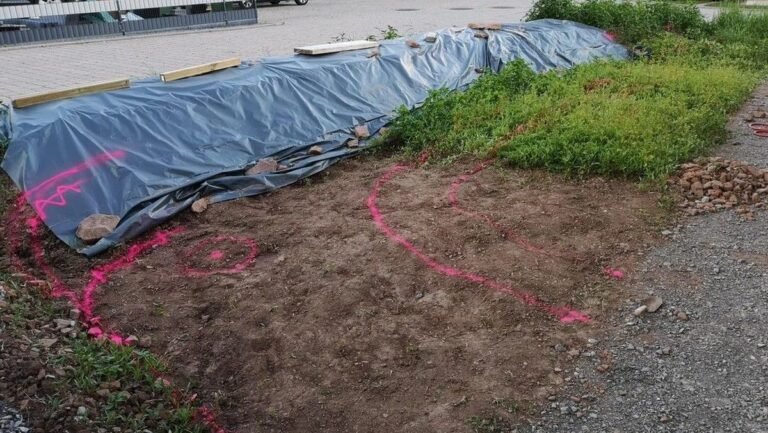
‘In my dog’s puppy stage, she used to dig a lot in the garden and left me with some huge holes that I filled, but they’ve never looked quite right since. Now I’m inspired to create a new flower bed and add some more colour to my garden.’
Start lemonading in your garden

Cadoca
Large Wooden Bug Hotel 9.5×30.5x31cm Insect Bee Butterfly Ladybird House
Attracting bugs to your garden is a great way to create a thriving ecosystem.

Seedball
Seedball Butterfly Mix Seed Bombs – 100 Seed Balls
Let nature take its course with this wildflower mix – all you need to do is scatter the seed bombs on your beds.

Peckish
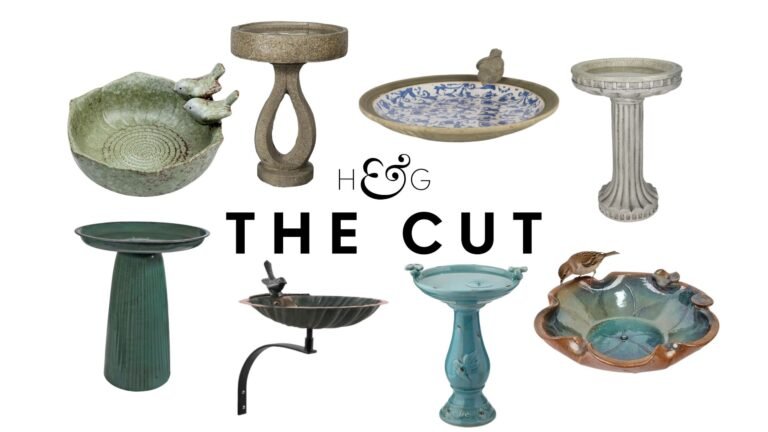
Peckish Ornate Bird Bath (h)60cm
A bird bath is another easy way to make your garden widlife-friendly. Plus, by attracting birds, they’ll eat slugs and other annoying pests.
‘It’s [lemonading] definitely a principle I use in my own gardening. No garden is ever perfect, and some of the best results come from unexpected discoveries or lessons learned when things don’t go to plan. With extreme weather becoming more common, I think gardeners who embrace a lemonading mindset will find it easier to create resilient, beautiful spaces that can cope with whatever the seasons throw at them,’ Luke concludes.
As the climate changes and we seek more resilient gardens, is lemonading an approach you will adopt this year?