


In March 2026, the debate is no longer about which system is “better,” but how they can be integrated to solve the global education crisis. As of this year, the “Hybrid” or “Blended” model has become the standard in developed nations, while e-learning is serving as a primary infrastructure in regions where physical schools are scarce.
🏫 1. Traditional Education: The Human-Centric Anchor
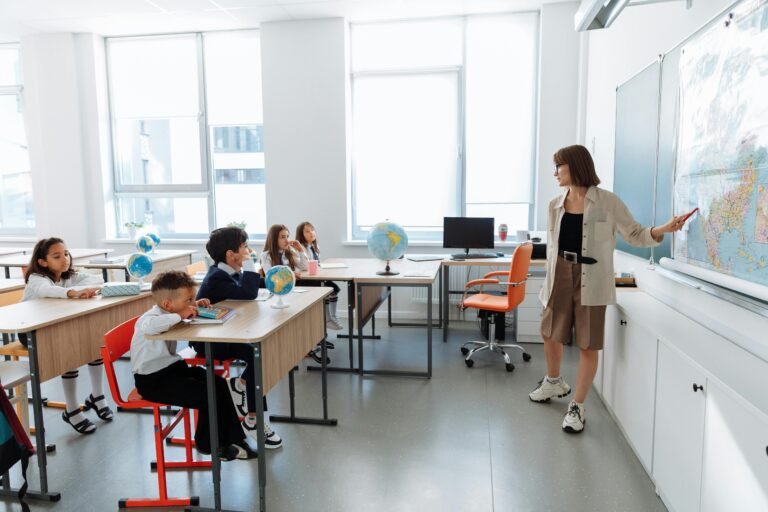
In a world increasingly dominated by AI, the physical campus has rebranded itself as a center for Social-Emotional Learning (SEL) and high-level collaboration.
- The “Soft Skill” Sanctuary: Research in 2026 shows that while students can learn facts online, peer-to-peer negotiation, empathy, and hands-on laboratory skills still peak in physical settings.
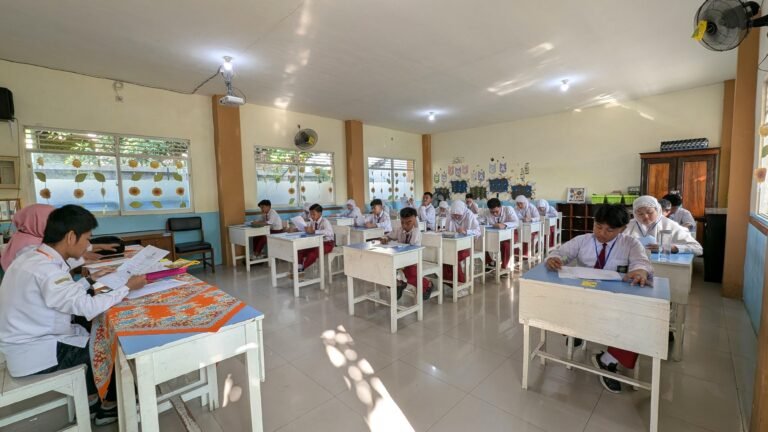
- Structured Environment: For younger learners (K-12), the traditional school provides a vital safety net, offering nutrition, physical safety, and supervised socialization that digital platforms cannot replicate.
- The Prestige Factor: Despite the rise of digital badges, the “on-campus experience” at top-tier global universities remains a significant status symbol and networking engine for the global elite.
🌐 2. Online Learning: The Engine of Democratization
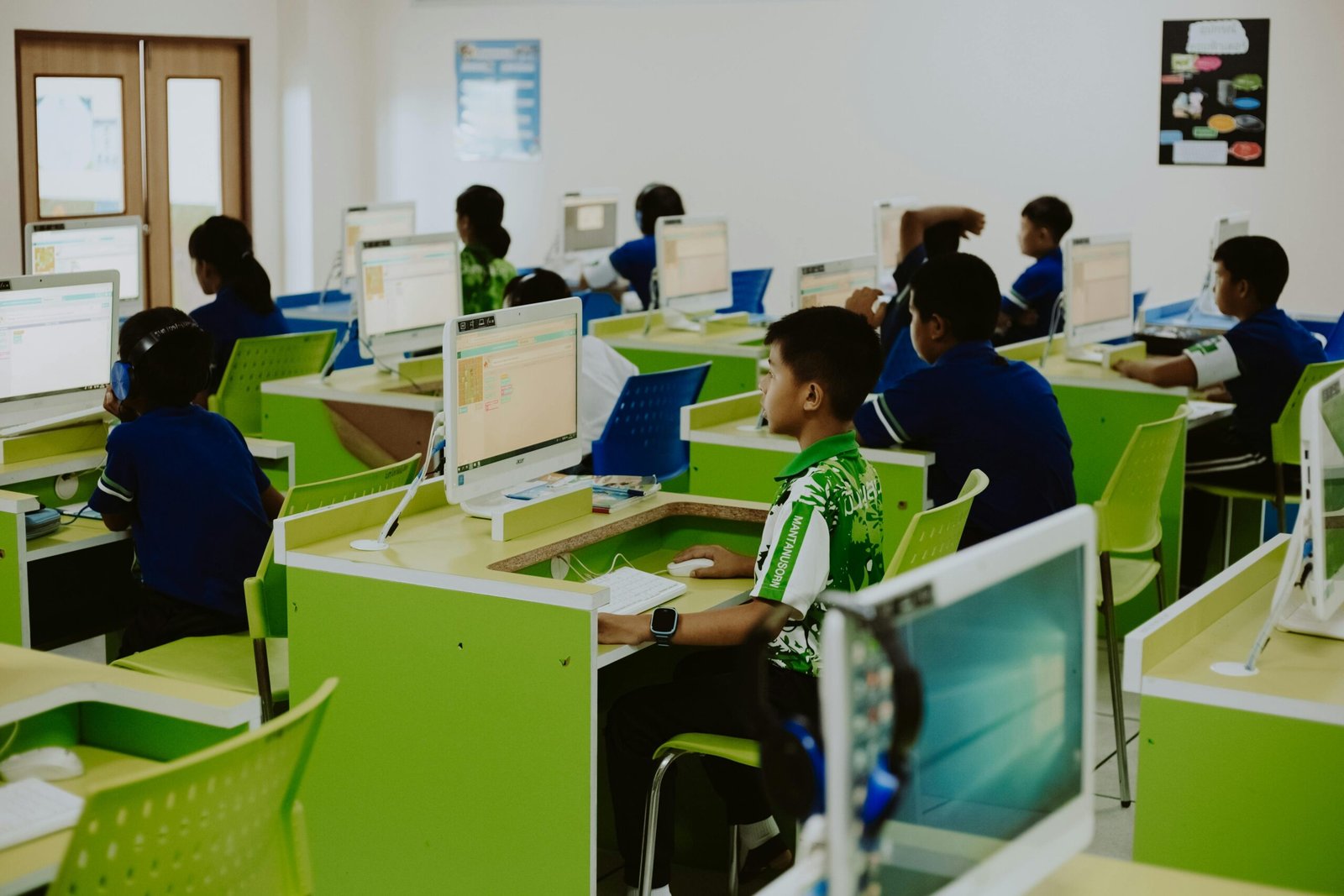
E-learning has moved from a “secondary” option to a high-tech powerhouse driven by Spatial Computing (VR/AR) and Generative AI.
- Hyper-Personalization: AI tutors now provide 24/7 support, adapting curriculum in real-time to a student’s pace. In 2026, this has helped reduce “learning poverty” in rural areas by 22%.
- Scalability: A single “Super-Professor” can now teach 50,000 students across multiple continents simultaneously, with AI handling the localized translation and grading.
- Economic Flexibility: Micro-credentials and “Stackable” degrees allow adult learners to upskill without leaving the workforce, a necessity in the fast-shifting 2026 job market.
📊 Comparative Analysis (2026 Global Metrics)
| Feature | Traditional Campus | Online / Digital-First |
| Primary Strength | Socialization & Mentorship | Accessibility & Pacing |
| Average Cost | High (Infrastructure/Living) | Low to Medium |
| Global Reach | Local / Regional | Borderless / Instant |
| Completion Rates | 85% – 95% | 60% – 75% (Improving with AI) |
| Best For | Early Childhood & Specialists | Professional Upskilling & Remote Areas |
⚖️ 3. The Global Divide: The “Hybrid Gap”
By 2026, a new form of inequality has emerged based on how these two systems are accessed:
- The “Premium” Hybrid: Students in wealthy urban hubs enjoy the best of both—high-tech digital tools paired with high-touch in-person mentorship.
- The “Digital-Only” Necessity: In conflict zones or extreme poverty, e-learning is often the only option. While better than no education, these students often miss out on the social networking and lab facilities of physical campuses.
- Credential Recognition: While the Global Convention on Qualifications (ratified by more nations in 2025) has improved the recognition of online degrees, some regional labor markets still show a 15% salary preference for traditional degree holders.
💡 4. The 2026 Convergence
The future is “Phygital.” Traditional universities are now “digital-first” in their administration and lectures, while e-learning platforms are opening “physical hubs” in major cities to provide students with a place to co-work and socialize. The goal is no longer to choose one, but to build a seamless path between them.
- List the top 10 global hybrid universities of 2026
- Summarize the 2026 Global Education Monitoring Report
- Create a cost-benefit analysis for online vs campus degrees