This Small Appliance Makes A Huge Impact On Home Comfort
We may earn revenue from the products available on this page and participate in affiliate programs. Learn More ›
A dehumidifier is a crucial component in a well-designed heating and cooling system. Excess humidity makes indoor air feel sticky and uncomfortable, and it increases the risk of mold growth and pest problems. Dehumidifiers remove excess moisture from the air, allowing the HVAC system to work more efficiently and setting the stage for a more comfortable, healthier home.
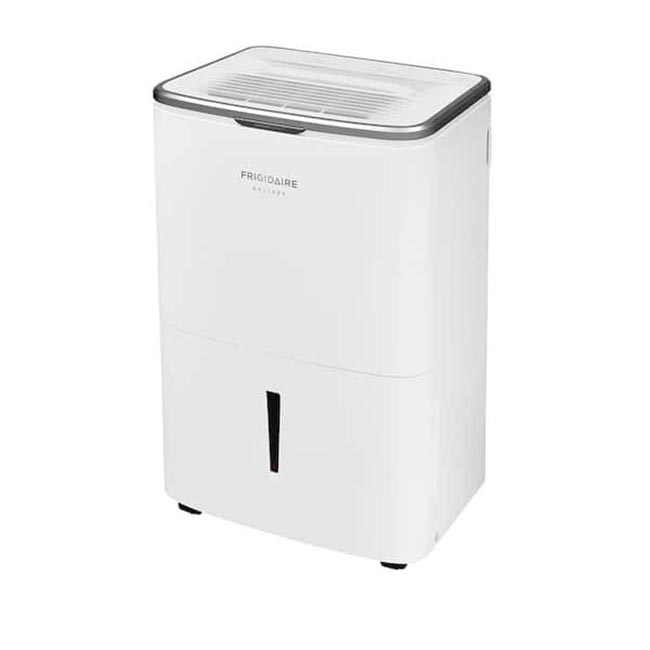
In our search for the top all-around model for home use, we tested nearly a dozen dehumidifiers. Our favorite, the Frigidaire Gallery 2-in-1 50-Pint Dehumidifier, removes up to 50 pints of moisture from the air daily in areas up to 4,500 square feet. It allows users to set target humidity levels, works with or without a drain hose, and is easy to move around and empty.
The Frigidaire dehumidifier wasn’t the only model that performed well, though. We tested a range of great options with features and settings for large and small rooms, unheated spaces, and high-humidity areas. In this guide, we’ll share the insights and observations from testing these products to help you choose the best dehumidifier for your house.
- BEST OVERALL: Frigidaire Gallery 2-in-1 50-Pint Dehumidifier
↓ Jump to Review - BEST BANG FOR THE BUCK: ToLife TZ-C2 Dehumidifier
↓ Jump to Review - BEST FOR BASEMENTS: Ivation Large-Capacity Dehumidifier With Pump
↓ Jump to Review - BEST FOR CRAWL SPACES: AprilAire E070 70-Pint Crawl Space Dehumidifier
↓ Jump to Review - BEST HIGH-CAPACITY: Zafro 150-Pint Dehumidifier
↓ Jump to Review - BEST FOR LARGE ROOMS: Hisense 60-Pint Built-In Pump Dehumidifier
↓ Jump to Review - BEST FOR SMALL ROOMS: BedRed CT11 Dehumidifier
↓ Jump to Review - BEST MID-SIZE: Edendirect Airplus Dehumidifier
↓ Jump to Review - BEST FOR COLD ROOMS: Eva-Dry EDV-4000H Rotary Desicant Dehumidifier
↓ Jump to Review
Best Dehumidifiers Compared
| Product | Tank volume | Coverage | Energy Star certified | Weight | Our Rating |
| Frigidaire Gallery 2-in-1 50-Pint Dehumidifier | 2.7 gallons | 4,500 square feet | Yes | 42 pounds | 4.8/5 |
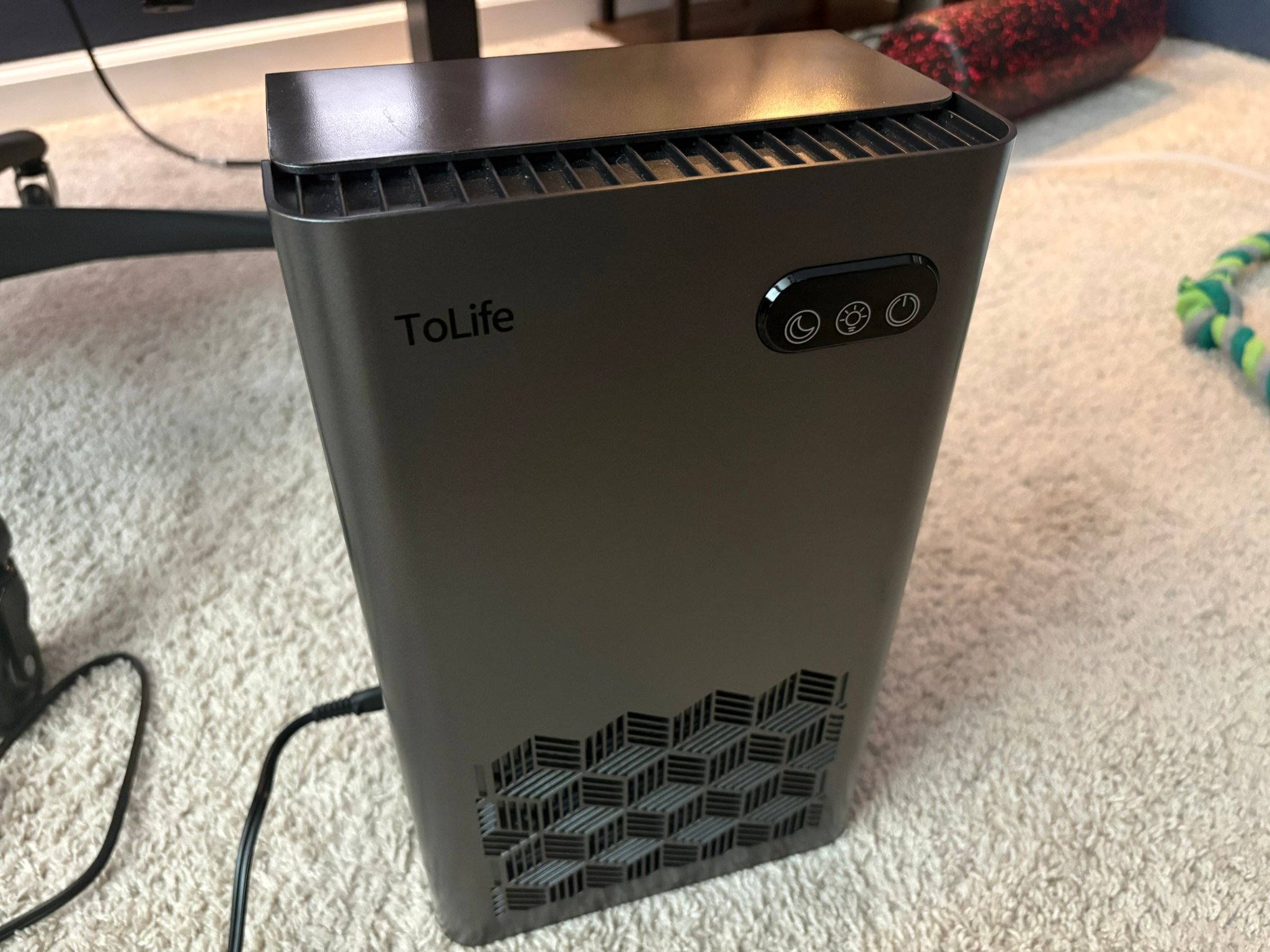
| ToLife TZ-C2 Dehumidifier | 95 ounces | 1,000 square feet | No | 5.8 pounds | 4.4/5 |
| Ivation Large-Capacity Dehumidifier With Pump | 2.25 gallons | 4,500 square feet | Yes | 45.4 pounds | 4.4/5 |
| AprilAire E070 70-Pint Crawl Space Dehumidifier | N/A (drain hose only) | 2,200 square feet | No | 56 pounds | 4.7/5 |
| Zafro 150-Pint Dehumidifier | 2.1 gallons | 7,500 square feet | No | 40.5 pounds | 4.8/5 |
| Hisense 60-Pint Built-In Pump Dehumidifier | 1.5 gallons | 4,500 square feet | No | 57.3 pounds | 4.7/5 |
| BedRed CT11 Dehumidifier | 95 ounces | 1,000 square feet | No | 5.9 pounds | 4.2/5 |
| EdenDirect Airplus Dehumidifier | 1.27 gallons | 4,500 square feet | No | 40 pounds | 4.8/5 |
| Eva-Dry EDV-4000H Rotary Desicant Dehumidifier | 67 ounces | 4,000 square feet | No | 13.5 pounds | 4.4/5 |
Our Top Picks
All of our top recommendations are efficient, durable, and easy to operate. The best dehumidifier for a particular home should be properly sized for the space and humidity level, and may include conveniences like continuous draining or Wi-Fi connectivity. The following dehumidifiers will remove unwelcome humidity in homes of all shapes and sizes.
Best Overall
Frigidaire Gallery 2-in-1 50-Pint Dehumidifier
Photo: The Home Depot
What We Like
- High-volume dehumidification capacity
- Relatively compact size
- Low noise level
- Remote control-enabled
What We Don’t Like
- Too bulky for smaller spaces
- More expensive than some similar options
Product Specs
-
Tank volume:
2.7 gallons -
Coverage:
4,500 square feet -
Energy Star certified:
Yes -
Weight:
42 pounds
Our Ratings
| Ease of Use | 4.7/5 | Noise | 5/5 | Effectiveness | 5/5 | Value | 4.7/5 |
When you’re dealing with high humidity, a high-capacity dehumidifier is the most effective way to get ahead of the problem. This Energy Star–certified Frigidaire dehumidifier removes up to 50 pints of water from the air each day. Even better, the 2-in-1 design also includes advanced filtration to purify the air. It is conveniently Wi-Fi-enabled for remote control via the Frigidaire app, or voice control using Amazon Alexa or Google Home. The wheeled base and foldaway transport handle make it easy to move from room to room or up and down the stairs as needed.
This smart dehumidifier was not the only high-capacity model we tested, but it stood out from the rest for a few reasons, starting with the convenience factor. We tested the dehumidifier in a basement, so remote monitoring and control saved countless trips up and down the stairs, as did setting it up to continuously drain into the basement sump. After assembly, the only time we had to touch it was when it was time to pack it up and test a different unit. Plus, the Frigidaire was consistently the quietest dehumidifier in the test group. We appreciate appliances that work efficiently without drawing attention to themselves.
We also liked that this was the lightest-weight and most compact of the high-capacity dehumidifiers we tested, which made it super easy to move around (a task we mainly performed during setup and removal). The collection bucket was a bit smaller than some of the others, but continuous draining made that size difference a non-factor.
What our tester says: “Portable dehumidifiers can be bulky and loud, so I really appreciated that the Frigidaire dehumidifier was relatively compact and quiet for its large capacity. I prefer appliances that do their job consistently well without drawing attention, and this one did exactly that.“—Mark Wolfe, Product Reviews tester and writer
Get the Frigidaire dehumidifier at Amazon, The Home Depot, or Frigidaire.
Best Bang for the Buck
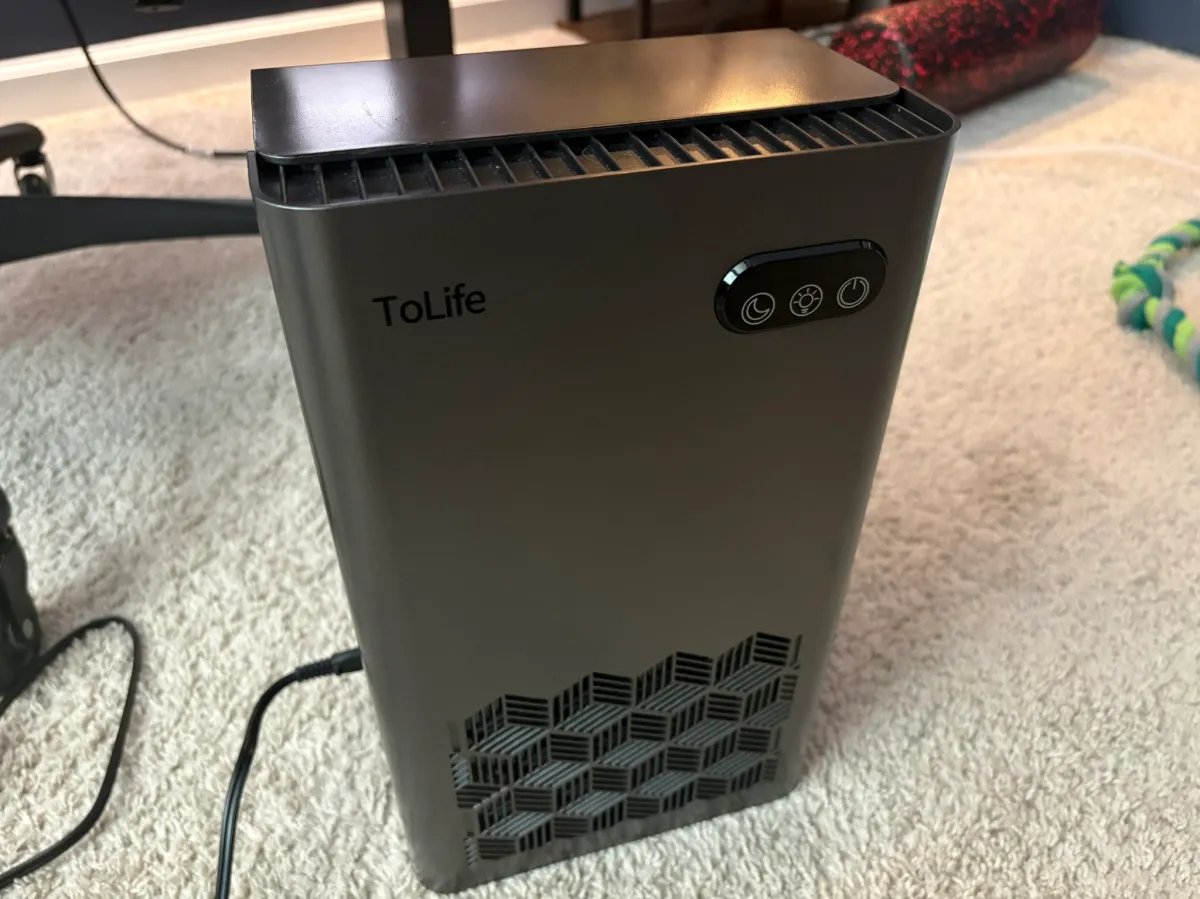
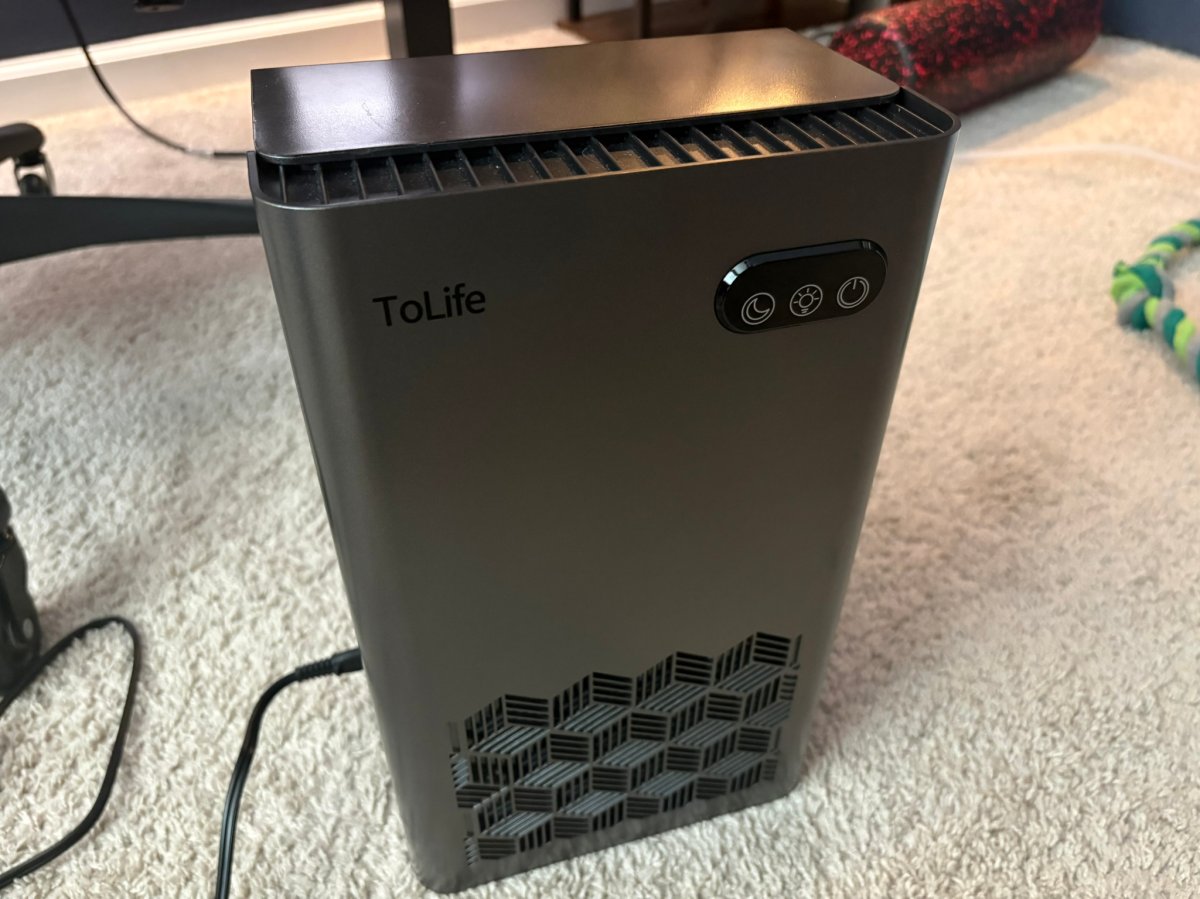
ToLife TZ-C2 Dehumidifier
Photo: Amazon
What We Like
- Compact and easy to relocate
- Large tank for its size
- Simple plug-and-play setup
- Auto shutoff prevents overflow
What We Don’t Like
- Slow moisture removal
- Louder than expected
- No humidistat or drain hose
Product Specs
-
Tank volume:
95 ounces -
Coverage:
1,000 square feet -
Energy Star certified:
No -
Weight:
5.8 pounds
Our Ratings
| Ease of Use | 5/5 | Noise | 3/5 | Effectiveness | 3.7/5 | Value | 5/5 |
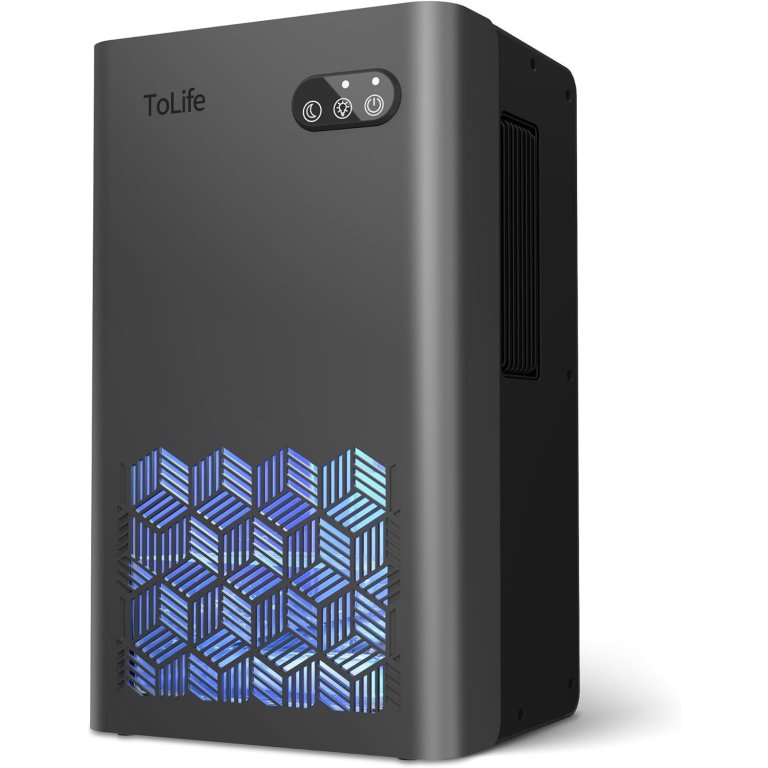
The ToLife TZ-C2 is a compact thermoelectric dehumidifier designed for smaller spaces like bedrooms, bathrooms, closets, and home offices. It has a pretty generous 95-ounce water tank for a unit of its size, along with simple one-button controls, automatic shutoff when the tank is full, and a seven-color ambient light that can double as a night-light or be turned off completely. Its lightweight design also makes it easy to move wherever extra moisture becomes a problem.
During testing, the ToLife was super easy to set up—just plug it in, choose a fan speed, and let it run. It steadily collected moisture in smaller rooms, though, as expected from a thermoelectric model, it worked much more slowly than full-size compressor dehumidifiers. It was best suited to maintaining comfortable humidity levels rather than quickly drying out a damp space after heavy rain or flooding.
One surprise was the operating noise. While the lowest fan setting was reasonably quiet, higher speeds produced more fan noise than expected, making it difficult to comfortably sleep with the unit running nearby. The lack of an adjustable humidistat, humidity display, and continuous-drain option also limits its versatility. Even so, if you’re looking for an inexpensive, portable dehumidifier for localized moisture control, the ToLife gives you excellent value with a larger-than-average tank and user-friendly operation.
Get the ToLife dehumidifier at Amazon.
Best for Basements
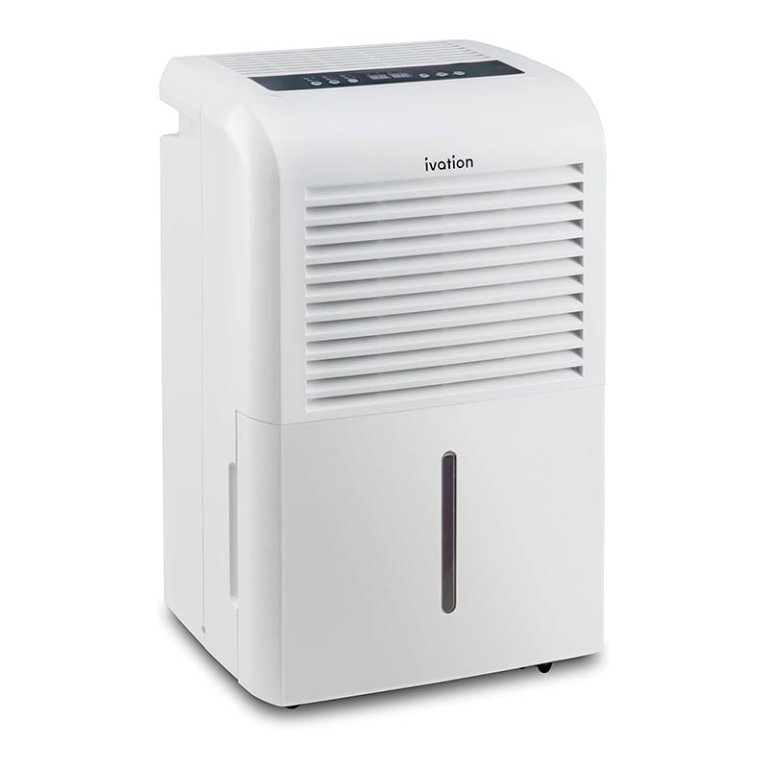
Photo: Amazon
What We Like
- Includes 16-foot hose for continuous operation
- Maintains humidity levels in large spaces
- Includes timer, auto shutoff, and frost sensor features
What We Don’t Like
- A bit noisy
Product Specs
-
Tank volume:
2.25 gallons -
Coverage:
4,500 square feet -
Energy Star certified:
Yes -
Weight:
45.4 pounds
Our Ratings
| Ease of Use | 4.3/5 | Noise | 4/5 | Effectiveness | 4.3/5 | Value | 4.7/5 |
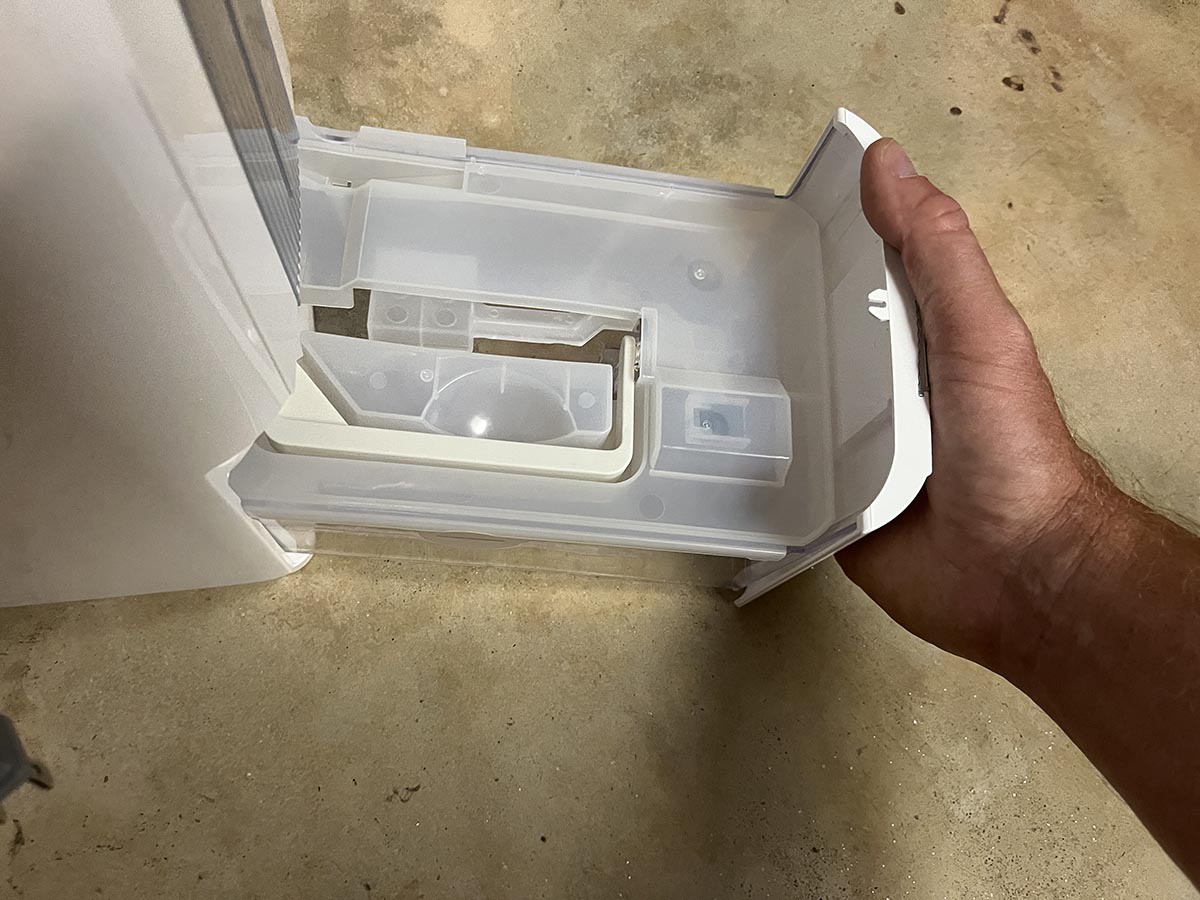
A basement is often the most humid spot in the house, but with this large-capacity dehumidifier from Ivation, basements can stay dry and comfortable. It comes with a 2.25-gallon collection tank, but it operates best when connected to a drain hose for continuous draining into a sump or floor drain.
Designed to reduce humidity in areas up to 4,500 square feet, the Ivation is powerful enough to tackle the toughest humidity problems, making it an ideal dehumidifier for mold issues in the basement. It’s also simple to operate: Users can choose either timed mode or continuous mode, which means the unit will run until it’s shut off or the tank fills.
The Ivation dehumidifier for basements comes with a 16-foot hose for continuous use, but we also tested its collection bucket. Among the large-capacity dehumidifiers we tested, this one had the longest runtime before it needed to be emptied. It was easy to move, and the onboard condensate pump allowed us to empty the unit into a sink drain. We appreciated this unit’s auto-restart feature, which powers it back on in the event of a power failure. It also has an auto-defrost sensor that protects its evaporator coils.
Get the Ivation dehumidifier at Amazon, The Home Depot, Wayfair, Walmart, or Target.
Best for Crawl Spaces
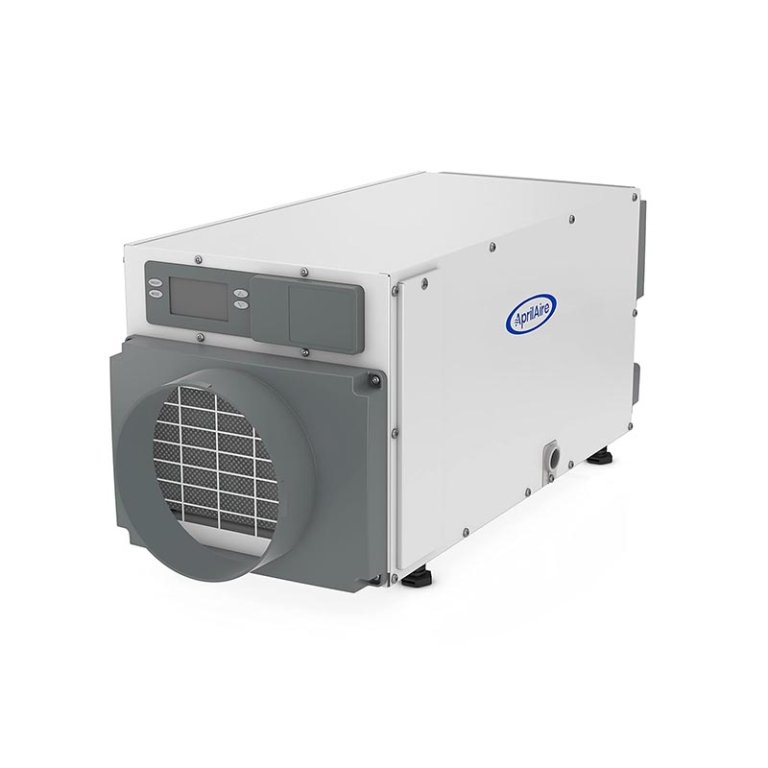
Photo: Amazon
What We Like
- Large water-removal capacity for big crawl spaces
- Features corrosion-resistant aluminum coils
- Automatic dehumidifier; activates when humidity exceeds target level
- Gravity drain system
What We Don’t Like
- Can’t pump to an elevated drain
- Heavier than other models with similar capacity
- Requires a sealed crawl space for best results
Product Specs
-
Tank volume:
N/A (drain hose only) -
Coverage:
2,200 square feet -
Energy Star certified:
No -
Weight:
56 pounds
Our Ratings
| Ease of Use | 5/5 | Noise | 5/5 | Effectiveness | 4.5/5 | Value | 4.7/5 |
Homes in rainy regions with sealed crawl spaces are at high risk of humidity-related problems. When you need serious moisture reduction in a humid crawl space to protect your home’s structure, consider a unit like the AprilAire E070. This dehumidifier for house crawl spaces removes up to 70 pints of moisture per day, and there’s no collection tank to dump. Instead, it automatically empties the water through a hose (included) outside the home or to a floor drain.
We had previously tested five popular crawl space dehumidifiers, and while this was one of the most expensive, it was the clear winner in ease of use and effectiveness. It had a simple interface and a large display that made it easy for us to set up. It also boasts other valuable features, including corrosion-resistant aluminum coils, a gravity drain, and a washable air filter, ensuring it operates smoothly for years.
Thanks to the easy-to-follow directions, installing this dehumidifier took us only 15 minutes. The starting humidity level in our crawl space was 70 percent. After 12 hours, it dropped to 58 percent, and within 24 hours, it was at 49 percent. The self-draining dehumidifier continued to run intermittently, keeping humidity levels in the mid-40s.
Get the AprilAire dehumidifier at Amazon or The Home Depot.
Best High-Capacity
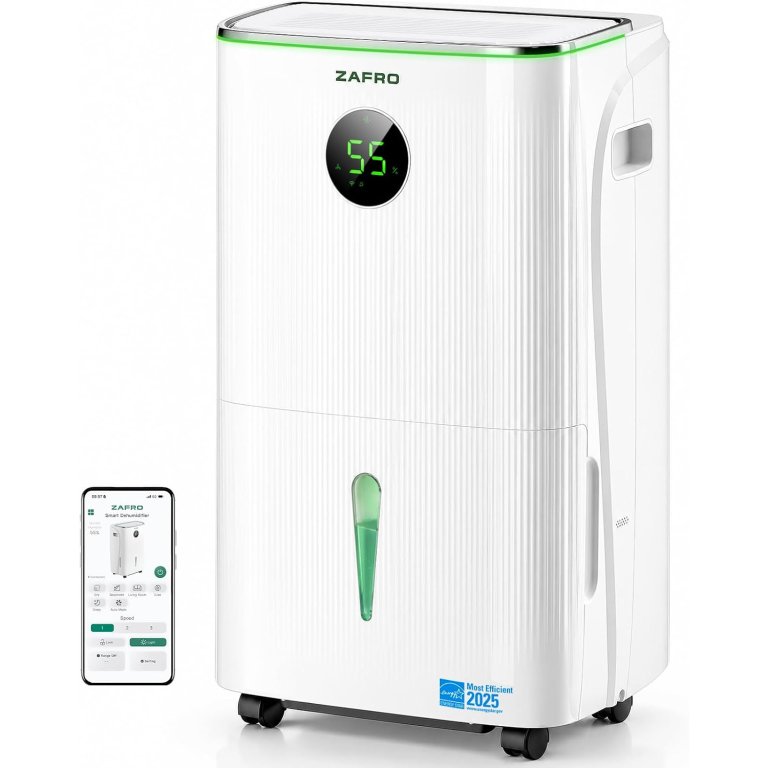
Photo: Amazon
What We Like
- Powerful moisture removal
- Large 2.1-gallon tank
- Includes continuous drain hose
- Excellent value for capacity
What We Don’t Like
- Confusing instructions
- Sleep mode stays noisy
Product Specs
-
Tank volume:
2.1 gallons -
Coverage:
7,500 square feet -
Energy Star certified:
No -
Weight:
40.5 pounds
Our Ratings
| Ease of Use | 4.7/5 | Noise | 4.5/5 | Effectiveness | 5/5 | Value | 4.7/5 |
If you’re dealing with consistently damp basements or large open living areas, the Zafro 150-pint dehumidifier gives you impressive moisture-removal capacity without the premium price tag often associated with high-capacity models. It includes a large 2.11-gallon collection bucket, adjustable humidity settings, multiple operating modes, variable fan speeds, and a continuous-drain hose for hands-off operation. Integrated wheels help offset its larger size, making it much easier to reposition, considering that it’s quite heavy to lift (not too bad though, and the handles make it easier).
In testing, the Zafro removed a significant amount of moisture in a relatively short period of time and noticeably improved comfort in damp spaces (our tester’s Florida garage after rainfall, for example). The large bucket filled with water quickly under humid conditions, while the continuous-drain option means you don’t need to keep emptying it during extended use. Despite its size and output, it also operated more quietly than expected for a compressor dehumidifier in this class.
The biggest drawback was the setup documentation, which left some operating features unclear and required a bit of trial and error. Sleep mode also didn’t significantly reduce operating noise, so light sleepers may prefer placing the unit outside the bedroom. Overall, however, the Zafro combines strong dehumidification performance, useful features, and competitive pricing, making it an excellent choice for larger homes or anyone dealing with constant humidity.
Get the Zafro dehumidifier at Amazon or Zafro.
Best for Large Rooms
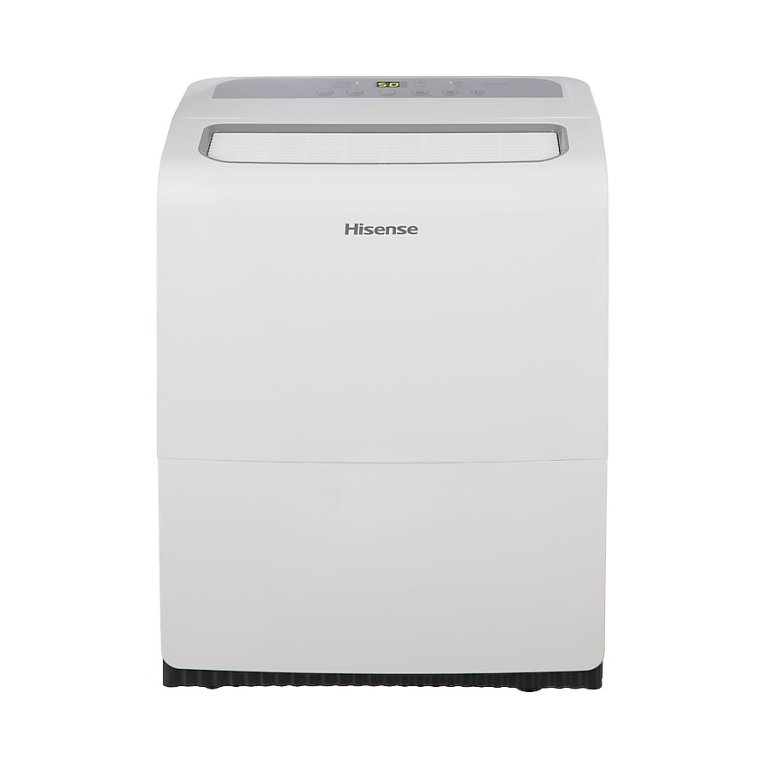
Photo: Lowe’s
What We Like
- High dehumidification capacity
- Easy, intuitive control panel
- High airflow for large areas
- Low operating noise
- Continuous drain option
What We Don’t Like
- Not Energy Star certified
- More expensive than similar options
Product Specs
-
Tank volume:
1.5 gallons -
Coverage:
4,500 square feet -
Energy Star certified:
No -
Weight:
57.3 pounds
Our Ratings
| Ease of Use | 4.7/5 | Noise | 5/5 | Effectiveness | 5/5 | Value | 4.3/5 |
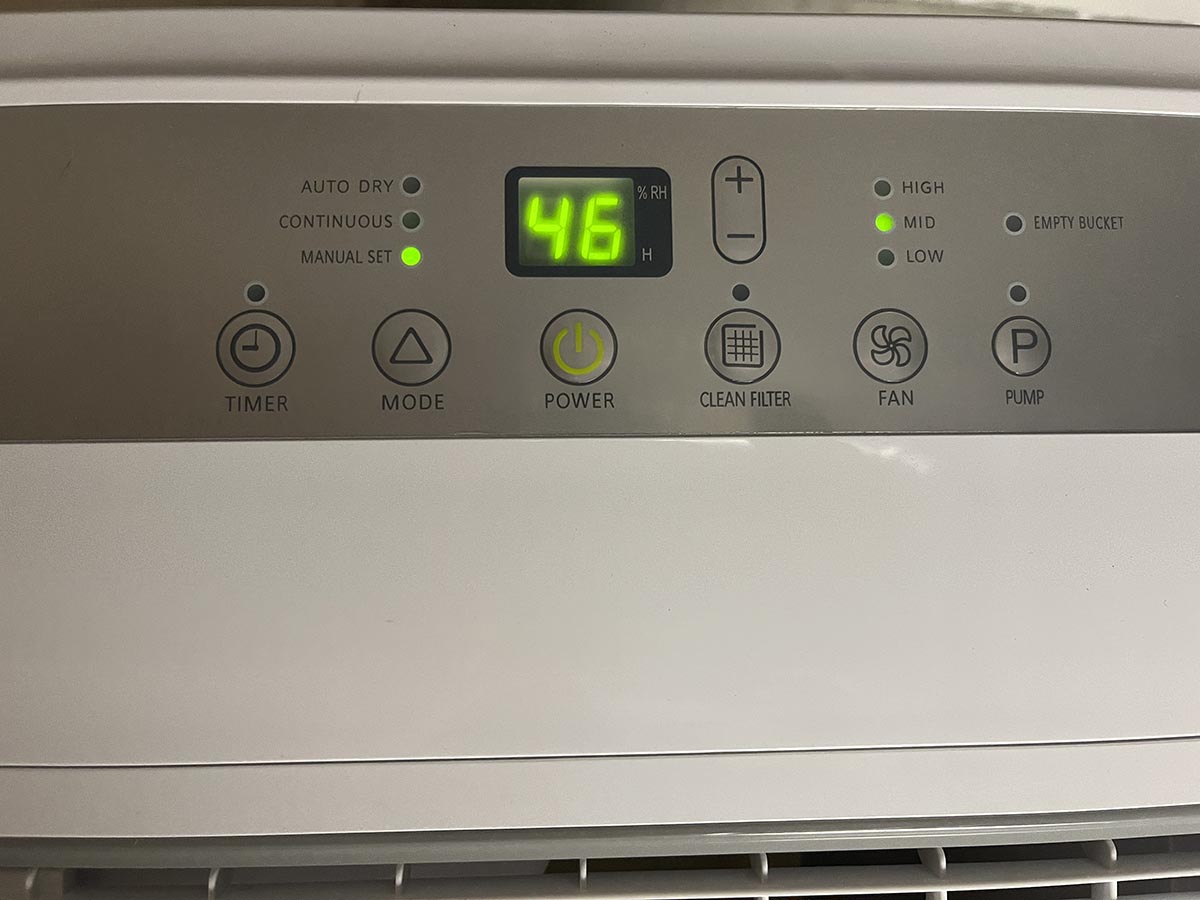
It takes high airflow and high capacity to control humidity in larger rooms, and the Hisense 60-pint large dehumidifier offers both. This was the largest-capacity portable unit among our test group, and its 3-speed fan moved more air than the others, too. It also comes with a quick-connect drain hose for convenient continuous draining—even to an elevated drain, thanks to the built-in pump.
The Hisense dehumidifier had simple touch controls that were well designed and easy to operate. LED indicator lights clearly showed if the bucket was full or the filter was dirty. This unit lowered the moisture level within the target range faster than any of the other portable dehumidifiers, and it operated remarkably quietly.
Just bear in mind that bigger capacity and more power comes with larger size. At 57 pounds, this was the heaviest unit we tested. Rolling it around on wheels was not difficult, but moving it up and down stairs required a bit more physical strength than most of the others. It was also one of the few models we tested that is not Energy Star certified.
Get the Hisense dehumidifier at Amazon or Lowe’s.
Best for Small Rooms
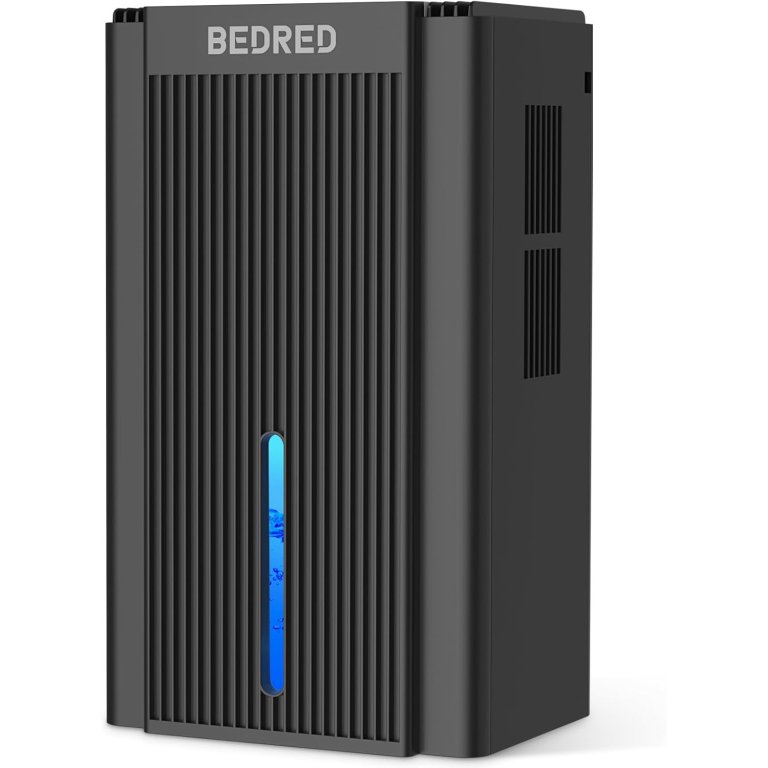
Photo: Amazon
What We Like
- Sleek, compact design
- Large tank for its size
- Easy water tank removal
- Excellent bedroom features
What We Don’t Like
- No humidity display
- Slower than compressor models
- Short power cord
Product Specs
-
Tank volume:
95 ounces -
Coverage:
1,000 square feet -
Energy Star certified:
No -
Weight:
5.9 pounds
Our Ratings
| Ease of Use | 5/5 | Noise | 3.5/5 | Effectiveness | 3.8/5 | Value | 3.8/5 |
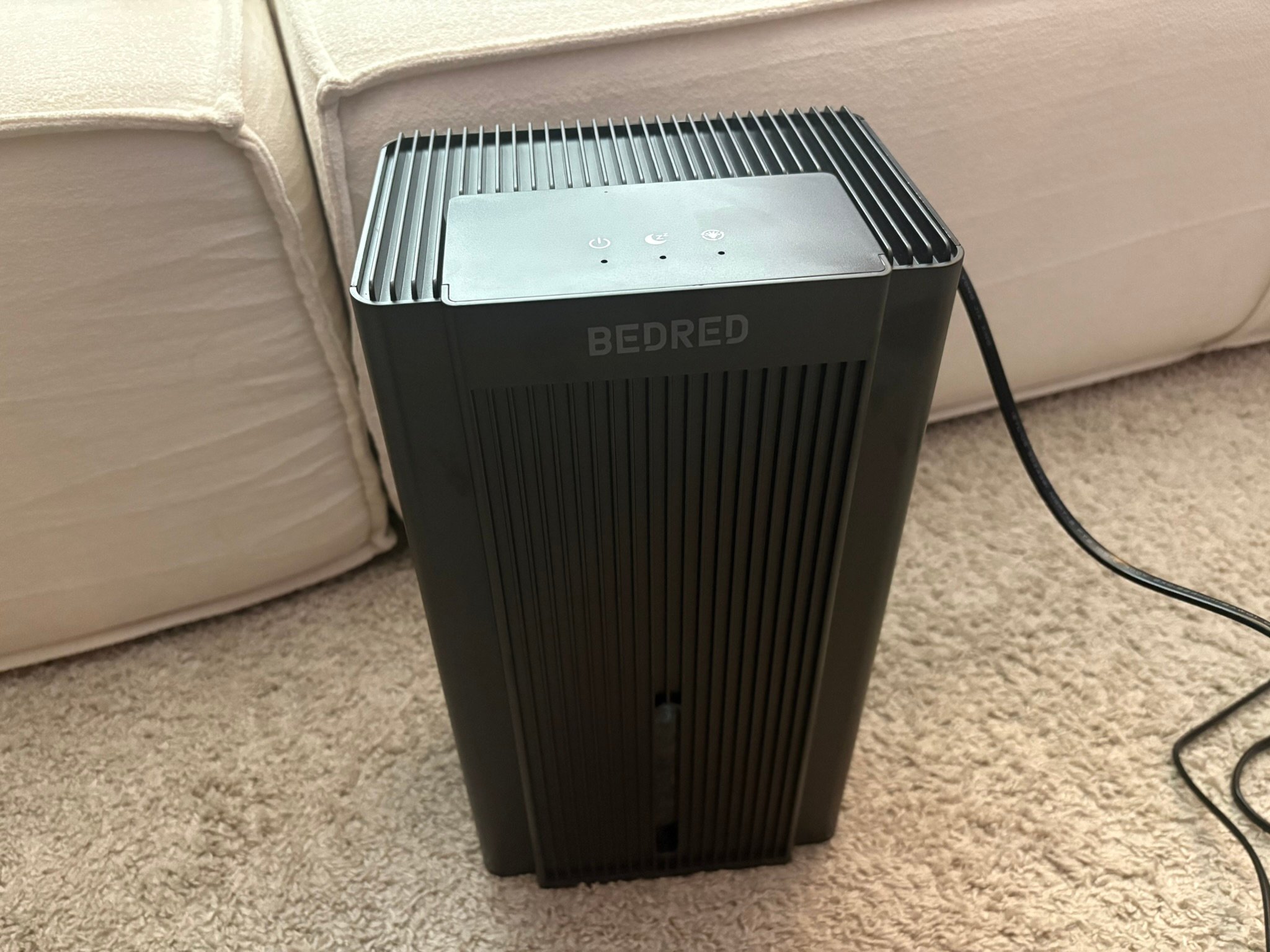
The BedRed CT11 small space dehumidifier combines an attractive, modern design with straightforward operation, making it a great fit for bedrooms, bathrooms, nurseries, and other small spaces. Its compact footprint fits comfortably on a dresser, countertop, or nightstand, while still accommodating a surprisingly large water tank. Features such as Sleep Mode, adjustable ambient lighting, and automatic shutoff when the tank is full add convenience for everyday use.
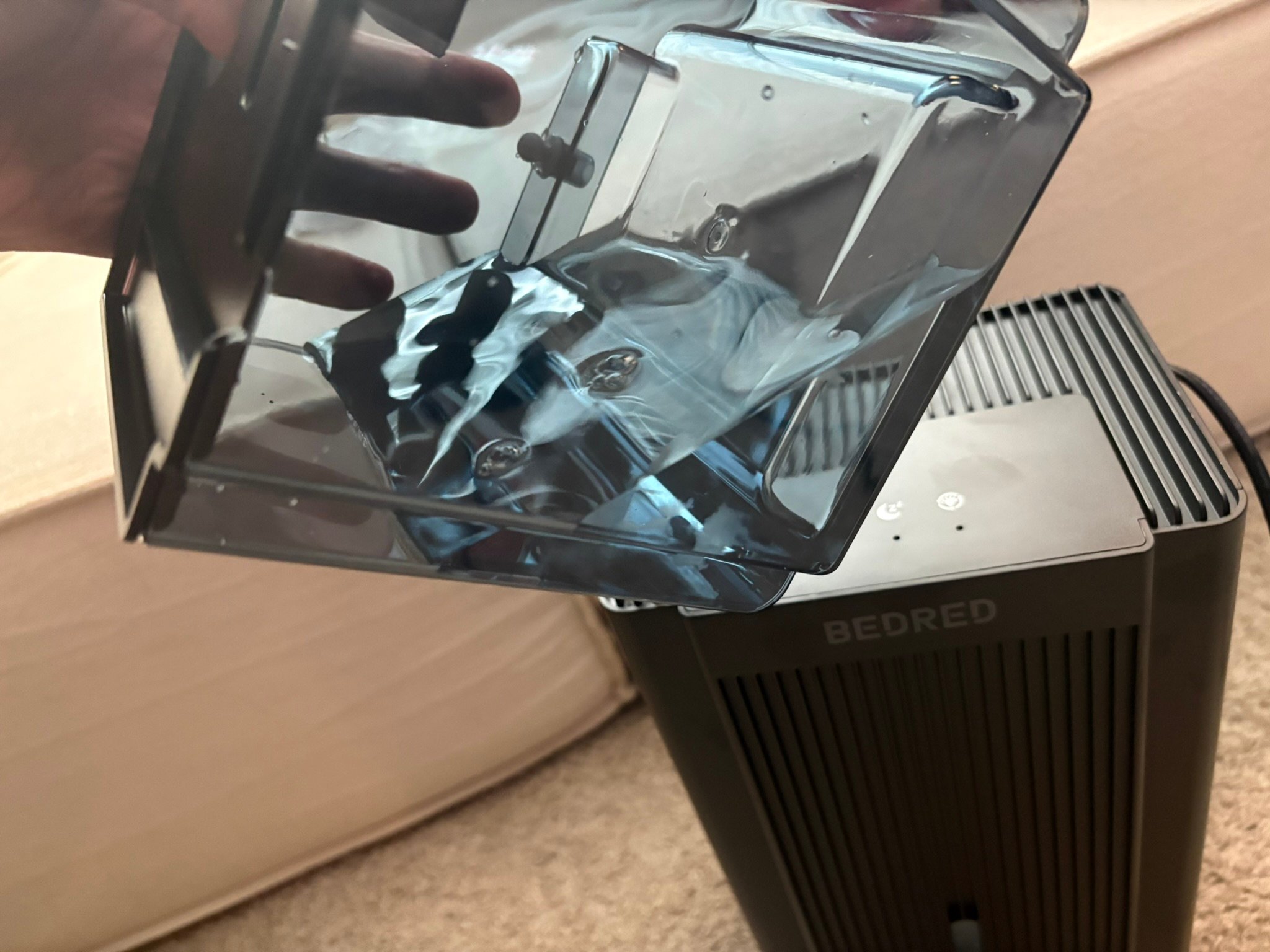
Setup required little more than plugging the unit into an outlet, and the removable water tank was among the easiest to monitor and empty of any compact model tested. In smaller rooms, it steadily reduced humidity and helped maintain comfortable conditions over time. Like other thermoelectric dehumidifiers, however, it works best as a maintenance solution rather than a fast fix for heavily saturated spaces.
Although marketed for areas approaching 1,000 square feet, testing suggested the BedRed performs best in much smaller rooms where moisture levels are only moderately elevated. It also produced a noticeable fan sound, even in Sleep Mode, creating a consistent white-noise effect that some users may appreciate but light sleepers may still notice. The lack of a humidity display, adjustable target humidity, and continuous-drain option further limits its flexibility. Even so, its attractive design, generous tank capacity, and user-friendly controls make it an excellent small dehumidifier for bedrooms and similar living spaces.
Get the BedRed dehumidifier at Amazon or Walmart.
Best Mid-Size
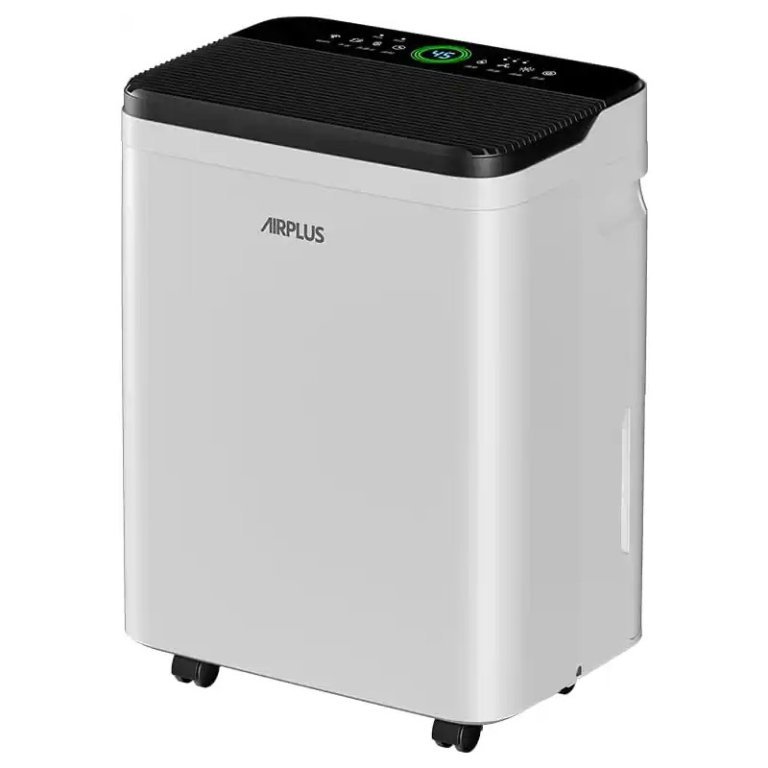
Photo: Best Buy
What We Like
- Fast, effective moisture removal
- Adjustable humidity settings
- Continuous drain option
- Quiet for compressor model
What We Don’t Like
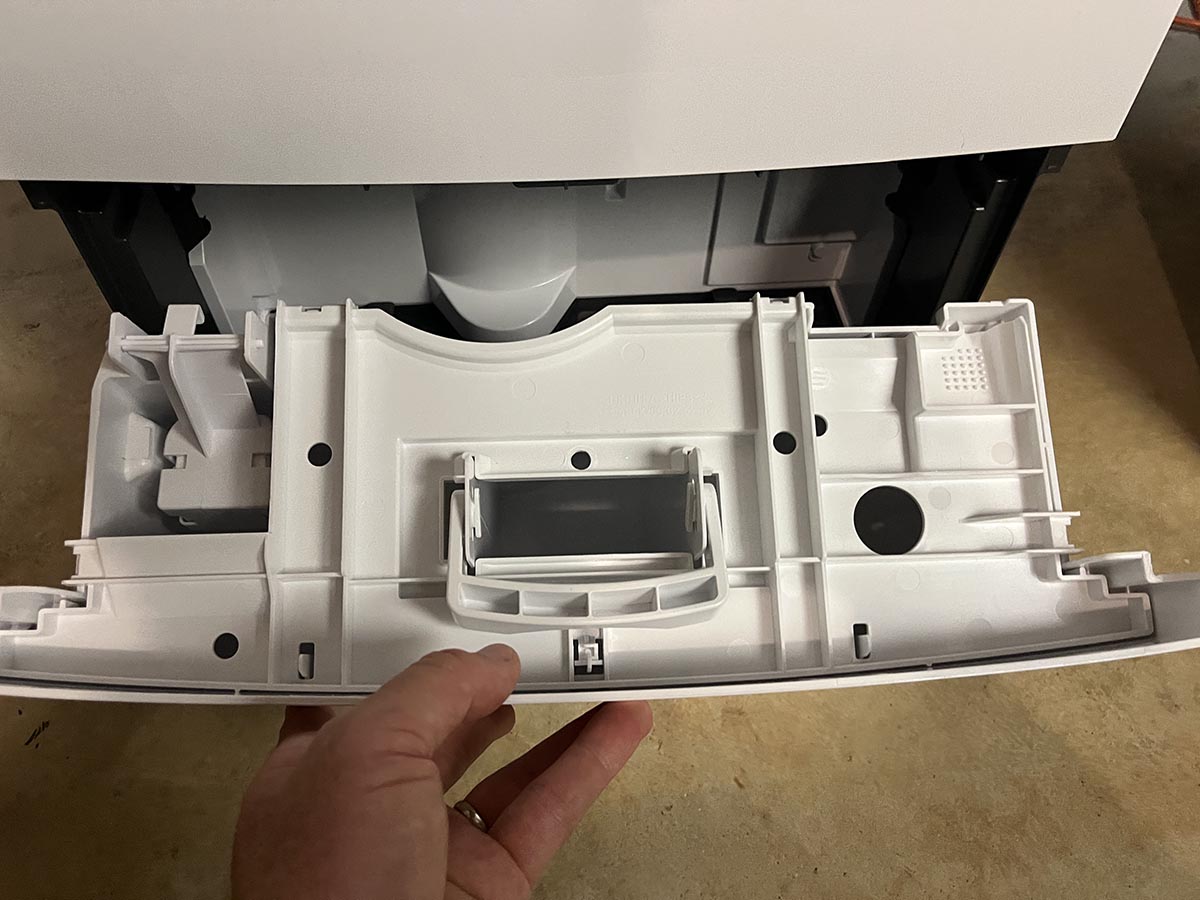
- Drain setup takes practice
- Bucket fills quickly
Product Specs
-
Tank volume:
1.27 gallons -
Coverage:
4,500 square feet -
Energy Star certified:
No -
Weight:
40 pounds
Our Ratings
| Ease of Use | 5/5 | Noise | 4/5 | Effectiveness | 5/5 | Value | 4.7/5 |
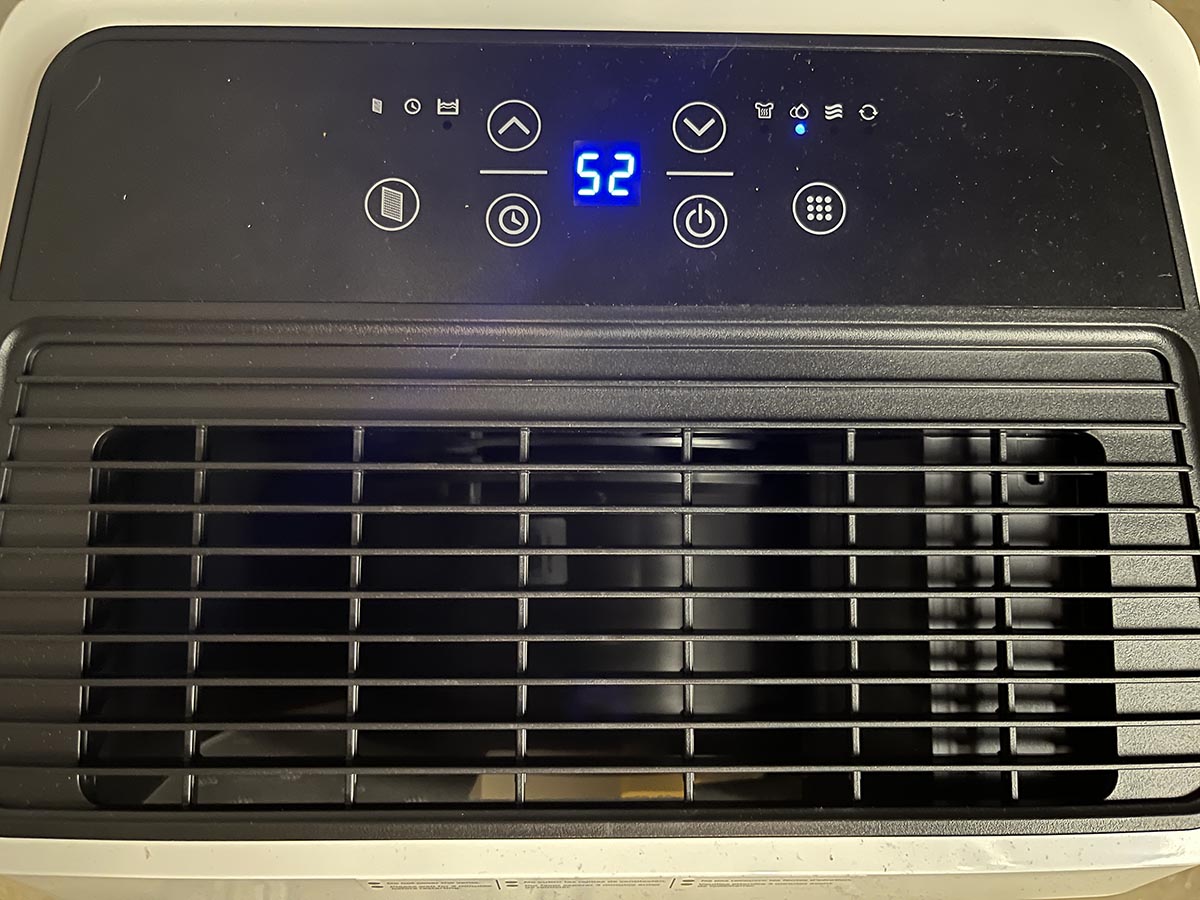
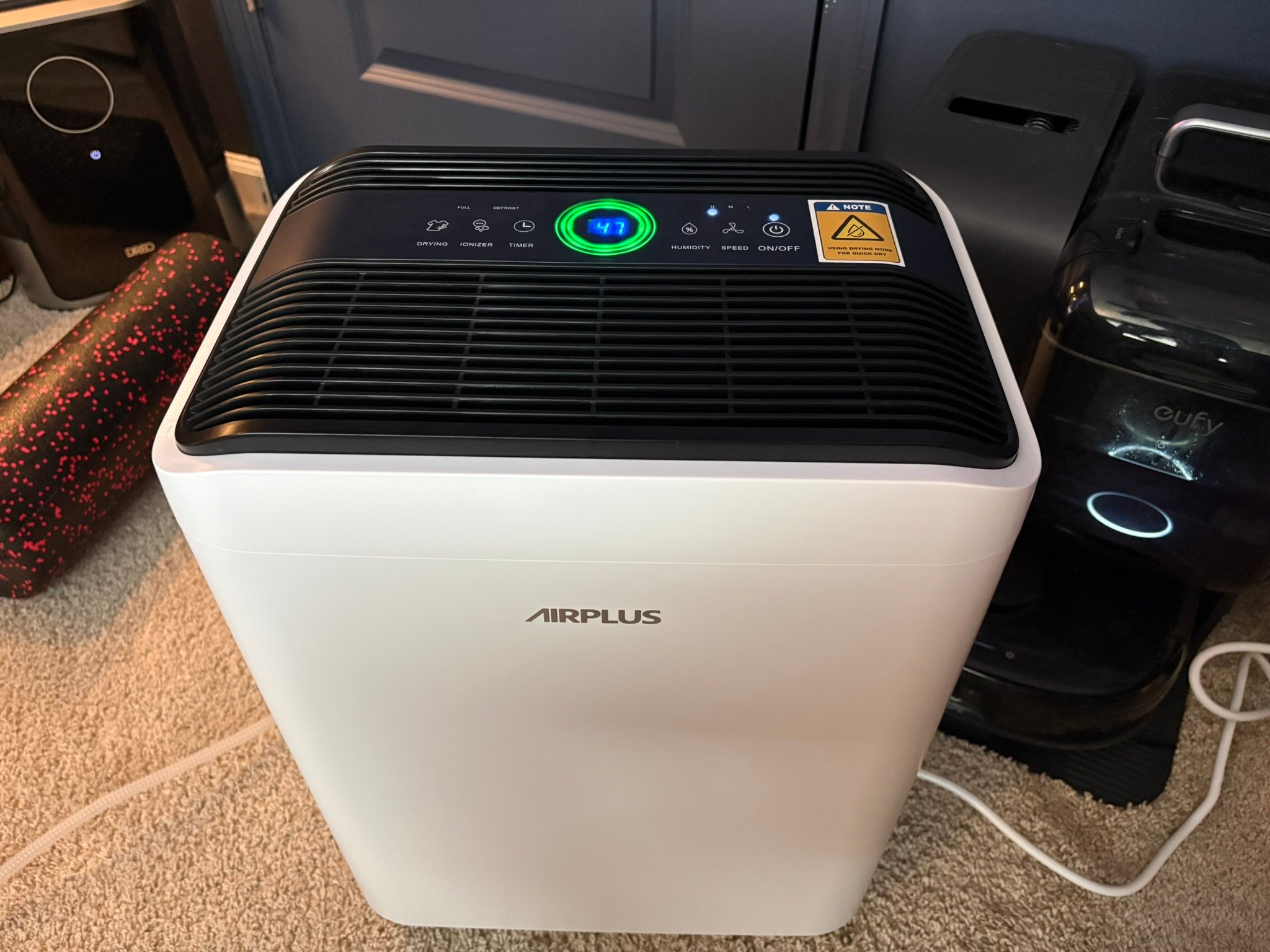
The Edendirect Airplus strikes a nice balance between compact household models and larger whole-basement and garage dehumidifiers. Designed for medium to large living spaces, it has adjustable fan speeds, programmable target humidity levels, a digital humidity display, continuous-drain capability, and an automatic defrost function for cooler environments. Thoughtful touches like integrated handles, smooth-rolling casters, and a clean digital control panel make everyday operation simple.
During testing, the Airplus noticeably reduced the humidity in our test room within just a few hours, with especially strong results in damp basements and bathrooms after periods of heavy rain. Its digital humidity display makes it easy to monitor changing conditions, while the adjustable humidistat helps maintain a consistent target level without unnecessary operation. Despite using a compressor, we found the unit to keep relatively quiet; it never became distracting during normal daytime use. If it needs to run on high for long periods, though, that can certainly be too noisy.
The removable bucket required emptying once or twice daily under particularly humid conditions (Florida garage), although the included continuous-drain option largely solved that issue. Initial setup for the drain hose and air filter wasn’t immediately intuitive, but once configured, operation was straightforward. Combining strong performance, useful smart controls, and a polished design, the Edendirect Airplus proved to be one of the most well-rounded dehumidifiers we tested, and an excellent choice for everyday household humidity control.
Get the Edendirect dehumidifier at The Home Depot or Best Buy.
Best for Cold Rooms
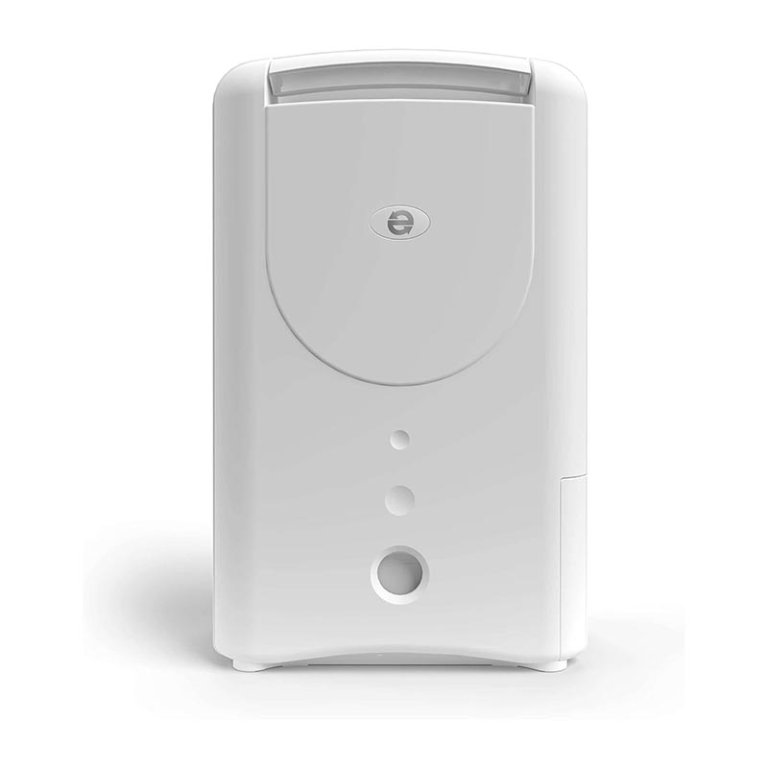
Photo: Amazon
What We Like
- Compact and lightweight
- Works in temperatures down to 34 degrees Fahrenheit
- Very quiet operation
- Great bathroom dehumidifier
What We Don’t Like
- Less capacity than other options
Product Specs
-
Tank volume:
67 ounces -
Coverage:
4,000 square feet -
Energy Star certified:
No -
Weight:
13.5 pounds
Our Ratings
| Ease of Use | 4.7/5 | Noise | 5/5 | Effectiveness | 4.3/5 | Value | 4/5 |
Cold rooms, unheated basements, garages, and winterized RVs benefit from dehumidification, but refrigerant-based appliances work less efficiently in cold temperatures. This rotary desiccant dehumidifier from Eva-Dry solves that problem, operating efficiently in temperatures down to 34 degrees Fahrenheit.
We maxed this little unit out during our basement tests. It topped its reservoir twice a day, but didn’t make much of a dent in the humidity of the large, open space. It did a great job later on when we set it up in a damp bathroom, though, drying it out within 60 minutes after showers.
The Eva-Dry desiccant dehumidifier was remarkably quiet in operation, with a noise level of about 32 decibels on the lowest setting. It was also the smallest and lightest model we tested (just over 13 pounds), but the unique technology made it more expensive than conventional refrigerant-based dehumidifiers of similar capacity.
Get the Eva-Dry dehumidifier at Amazon, Ace Hardware, or Eva-Dry.
Jump to Our Top Picks
How We Tested the Best Dehumidifiers
| Testing Stats | |
| Products tested | 15 |
| Time spent testing | 6 weeks |
| Amount of water removed from air | 2,500 pints |
| Price range | $50 to $1,500 |
Our goal for this guide was to showcase a variety of dehumidifier types and sizes that could solve our readers’ diverse home humidity problems. We researched more than 40 models and 10 manufacturers before choosing 15 for testing. We then tested each one for 7 days in a large, open basement where humidity levels ranged between 40 and 70 percent.
We evaluated their ability to reduce humidity and maintain a targeted humidity level, ease of operation, noise, and convenience features. We also noted how the air felt and smelled while each dehumidifier ran. All results were recorded in a standardized rubric, where we assigned each dehumidifier a score of 0 to 5 based on ease of use, effectiveness, noise, and value.
Our Testing Scores
| Product | Ease of Use | Noise | Effectiveness | Value |
| Frigidaire Gallery 2-in-1 50-Pint Dehumidifier | 4.7/5 | 5/5 | 5/5 | 4.7/5 |
| ToLife TZ-C2 Dehumidifier | 5/5 | 3/5 | 3.7/5 | 5/5 |
| Ivation Large-Capacity Dehumidifier With Pump | 4.3/5 | 4/5 | 4.3/5 | 4.7/5 |
| AprilAire E070 70-Pint Crawl Space Dehumidifier | 5/5 | 5/5 | 4.5/5 | 4.7/5 |
| Zafro 150-Pint Dehumidifier | 4.7/5 | 4.5/5 | 5/5 | 4.7/5 |
| Hisense 60-Pint Built-In Pump Dehumidifier | 4.7/5 | 5/5 | 5/5 | 4.3/5 |
| BedRed CT11 Dehumidifier | 5/5 | 3.5/5 | 3.8/5 | 3.8/5 |
| EdenDirect Airplus Dehumidifier | 5/5 | 4/5 | 5/5 | 4.7/5 |
| Eva-Dry EDV-4000H Rotary Desicant Dehumidifier | 4.7/5 | 5/5 | 4.3/5 | 4/5 |
What to Consider When Buying a Dehumidifier
Humidity is directly related to comfort, and humidity levels higher than 50 percent will make a room feel sticky during hot weather and downright chilly when the temperature drops. If you’re unsure whether your home would benefit from a dehumidifier, purchase an air quality monitor to assess humidity levels beforehand. In addition to selecting the right type of dehumidifier for your situation, consider the following factors.
Types of Dehumidifiers
Dehumidifiers can work in various ways to remove moisture from the air. Whether you need just a little drying action or a lot, the dehumidifier you choose will be one of the following three types.
Refrigerant
A refrigerant dehumidifier works by cooling a steel surface within the machine, and when air is drawn over the cold steel, the moisture in the air condenses—much like what happens when warm air condenses on the side of a glass of iced tea. The condensation is collected in a tank or drains from a hose into a floor drain. Refrigerant units work best in rooms where the temperature is more than 65 degrees Fahrenheit; at lower temperatures, condensation is less significant.
Desiccant
Sometimes called “chemical absorbent dehumidifiers,” desiccant units feature internal cartridges made from moisture-absorbing gel or powder. As air flows into the machine, the desiccant collects the moisture, which then drains into a collection tank or out via a drain hose. This type of dehumidifier works well in warm and cold temperatures, making it well suited to a cool basement or garage workshop.
Whole-House System
A whole-house dehumidifier is installed on a home’s central HVAC duct and removes moisture from the air whenever the furnace or air conditioner is running. Whole-house dehumidifiers work well in humid climates where homeowners would otherwise need to run multiple dehumidifiers to keep the indoor humidity at an acceptable level. To ensure proper installation, a licensed HVAC technician should install a whole-house dehumidifier.
Hose Connection
Some smaller dehumidifiers have collection tanks that must be manually removed and dumped when they get full. Larger dehumidifiers with pump technology often have a collection tank in addition to a hose connection that allows the user to run a drain hose from the dehumidifier to a floor drain or a sump pump. The connection accepts a standard garden hose, which is typically sold separately.
Filter Indicator
Most models come with filters that need to be replaced or washed when they become clogged to keep dust and dirt from entering the working parts of a dehumidifier. The dehumidifier may have a filter light that comes on, or, in some cases, it might throw a digital error code to indicate that the filter is dirty, indicating the unit is struggling to draw air through the clogged filter. When a filter is clogged, the unit’s effectiveness is reduced.
Automatic Humidistat
As long as a dehumidifier is running, it’s lowering humidity in the house, but once the humidity level in the room falls below 30 percent, a dehumidifier doesn’t offer much benefit. If it comes with an automatic humidistat, you won’t have to manually switch the unit on and off to control the humidity. Instead, you can select the humidity level that feels best to you. The machine will automatically monitor the air’s moisture and turn on only when the humidity exceeds that number. When the humidity level drops, the unit will turn off again.
Capacity
According to the United States Department of Energy standards, a dehumidifier’s capacity is the amount of water that it pulls from the air in 24 hours. The capacity is shown in pints per day (or PPD). Portable dehumidifiers are factory tested at 65 degrees Fahrenheit with 60 percent relative humidity. Performance varies depending on actual temperature and humidity level.
Capacity and collection-tank size are not the same thing, however. A 20-pint dehumidifier might have a 1-gallon (8-pint) collection tank that needs to be dumped repeatedly to reach the 20-pint total in a day. If a room is moderately humid, meaning the humidity level is around 65 percent to 70 percent, this formula can help determine the best dehumidifier size for a given space:
- For rooms up to 500 square feet, choose a dehumidifier with a 10-pint capacity.
- For larger spaces, add 4 pints of capacity for each additional 500 square feet.
- For example, a 1,500 square foot damp space needs at least 18 PPD capacity.
If the humidity is 70 percent or higher, higher capacity will be needed.
- 12 PPD capacity for the first 500 square feet
- An additional 5 PPD capacity for each additional 500 square feet
- For example, a 1,500 square foot wet space needs at least 22 PPD capacity.
Energy Star Certification
Dehumidifiers sometimes run for hours at a stretch, so energy efficiency matters more than it might with an appliance used only occasionally. Energy Star–certified models use more efficient compressors, refrigeration coils, and fans to remove the same amount of moisture while consuming roughly 20 percent less energy than comparable conventional units.
You can also compare a model’s integrated energy factor, or IEF, which measures how many liters of water it removes per kilowatt-hour of electricity. A higher number indicates better efficiency, but comparisons should be made between dehumidifiers of similar capacity. A large basement model may use more electricity than a tabletop unit, but it also removes considerably more water. The Energy Star label is especially valuable for humid homes where the dehumidifier may be running full-time.
Noise Level
Most dehumidifiers produce a combination of fan noise, airflow, and, on refrigerant models, the occasional hum or vibration of a compressor. About 50 decibels is comparable to a modern fridge, but even a modestly rated machine may feel loud when sitting beside a bed rather than across a basement.
Noise levels also change with fan speed, room acoustics, and placement. Hard floors and nearby walls can amplify vibration, while carpeting or a vibration-absorbing mat may soften it. If you’re planning to use a dehumidifier in a bedroom, nursery, or home office, look for adjustable fan speeds or a sleep mode. Just don’t assume that “sleep” means silent. For less noise-sensitive spaces, prioritizing moisture-removal performance over whisper-quiet operation usually makes more sense.
The Advantages of Using a Dehumidifier
Keeping a home’s humidity level manageable can make its occupants feel more comfortable and protect the home and its contents.
- Lower humidity reduces the risk of mold and mildew growth.
- A dehumidifier will make a room feel more comfortable all year long.
- High humidity levels can lead to condensation forming on windows and even walls.
FAQs
If this is your first time shopping for a dehumidifier, you likely have some questions, some of which we hope to answer below.
If you want to move it from room to room, get a portable unit. If there’s nowhere to run a drain hose, you’ll have to settle for a dehumidifier that requires manual dumping. And if you want your entire house dehumidified, opt for a whole-house unit.
For it to work most effectively, the best spot to place a dehumidifier is usually where it’s the most humid, such as in a kitchen, laundry room, unvented bathroom, or basement.
Yes, somewhat. Depending on their size, dehumidifiers can use a lot of electricity. To find an energy-efficient dehumidifier, look at the wattage and opt for Energy Star–certified models.
The average lifespan of a dehumidifier is about 8 years, but it can vary based on care, use patterns, and wear and tear.
The average lifespan of a dehumidifier is about 8 years, but it can vary based on care, use patterns, and wear and tear.
Avoid using some dehumidifiers in cold temperatures. Below 60 degrees Fahrenheit, refrigerant dehumidifiers may be susceptible to freezing damage as the moisture that is removed from the air condenses and freezes on the coils.
When in doubt, go bigger. Larger-capacity dehumidifiers will tackle modest moisture, but undersized dehumidifiers will wear out prematurely if they are overworked.
A humidity range between 30 and 50 percent is widely considered ideal for comfort, as well as minimizing mold and pest problems. If you feel your house is consistently more humid than it should be, there may be a few reasons why.
Yes, in high-humidity areas, it may be helpful to run a dehumidifier constantly, and it is perfectly fine when needed. But doing so increases power consumption and may not be required for the desired effect.
Meet the Testers
Katie Barton has over 10 years of experience in home and garden writing. She has authored hundreds of articles for major media outlets, and her work has been featured on GOBankingRates, Realtor.com, Yahoo!, Cabin Life, and more. She takes an unbiased approach to product testing, using each product multiple times or for several days or weeks to determine efficacy.
Paul Rankin is a product tester and writer who evaluates home appliances firsthand, offering straightforward, detail-focused reviews that help readers choose confidently.
Mark Wolfe is a writer, product tester, and serial DIYer. When he isn’t writing, he spends his time upgrading, repairing, and replacing anything and everything in his home, yard, and garden. He tests and writes reviews about hand and power tools, lawn care and home repair products, and outdoor living goods.
Additional research provided by Glenda Taylor.
The post This Small Appliance Makes A Huge Impact On Home Comfort appeared first on Bob Vila.