Kevin Warsh was sworn in as the chair of the Federal Reserve on May 22. He is now the leader of the committee that determines the Fed Funds Interest Rate, which then trickles down to the rest of the economy.
With inflation rising again in the United States in recent months, Warsh issued a blunt statement when asked about the Fed’s stance: “No tolerance.” Despite concerns about a more politicized Federal Reserve, investors are getting much of the same from Warsh as they did from former Fed leader Jerome Powell.
Here’s what Warsh’s new comments mean for interest rates in the rest of 2026 and beyond.
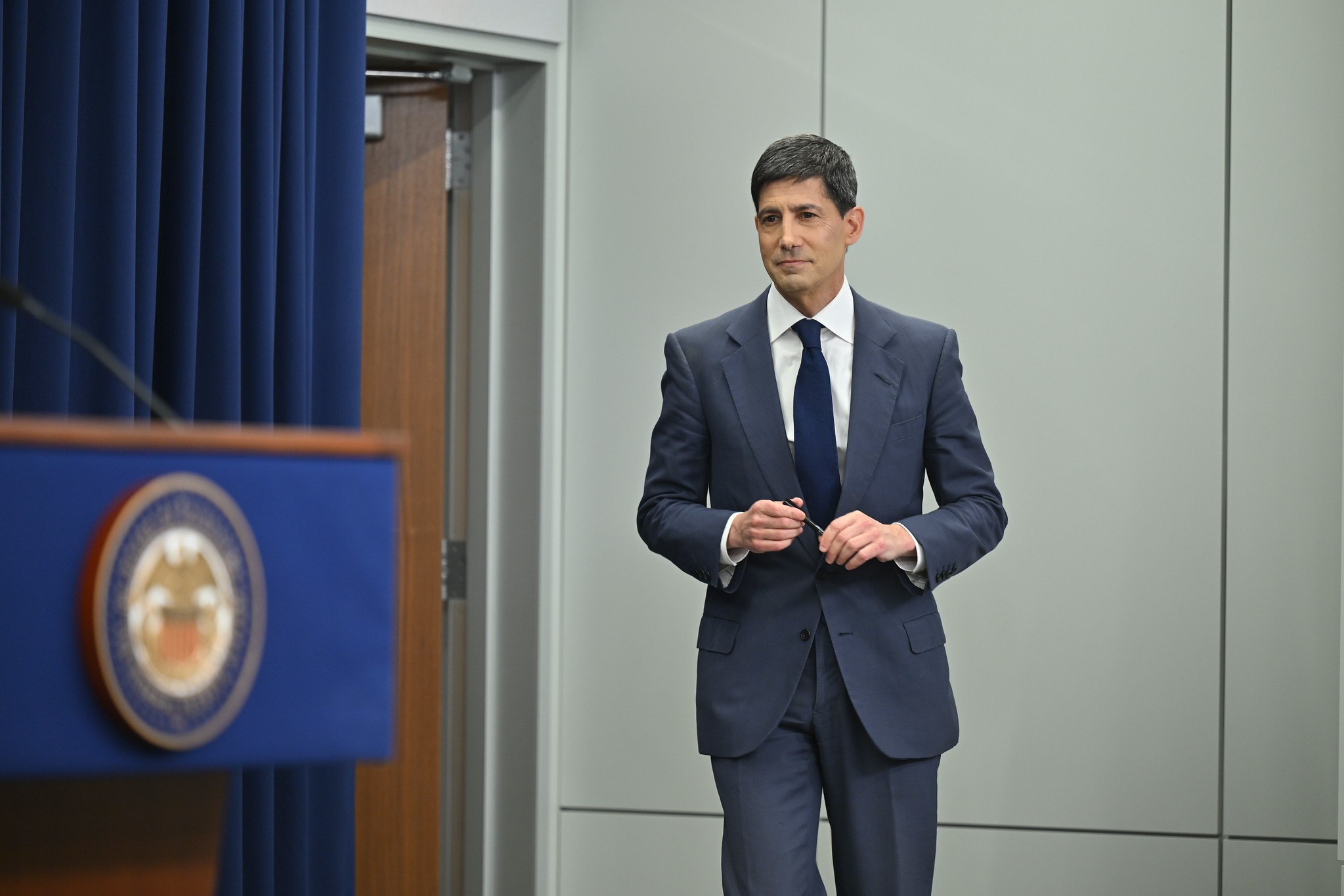
Image source: Federal Reserve.
A Federal Reserve that is much of the same
When President Trump picked Kevin Warsh to lead the Federal Reserve, there were concerns that he would do the President’s bidding when setting interest rates, given the President’s consistent comments on the topic.
However, so far, in the short time he has been in leadership, Warsh has shown no signs that he will engage in politicized rate cuts. His “no tolerance” statement for inflation is similar to the rhetoric given out by Federal Reserve leaders throughout the last 100 years, with interest rate movements one of the key tools the government can use to tame inflation if it begins raging.
Inflation increased to 4% in May and 3.5% in June, an acceleration from the last two years. With the Fed Funds Rate down to 3.6%, there is now an equal number of members of the rate-setting committee who think rate hikes are incoming later this year, rather than further rate cuts.
What does this mean for interest rates?
Investors can rest somewhat easily now that Kevin Warsh has begun to prove his independence in leading the Federal Reserve and the global banking system. If inflation accelerates, Warsh and the committee are likely to raise interest rates to dampen a “hot” economy, while they may lower them if inflation returns to the Fed’s 2% target.
Rising inflation and rising interest rates could mean trouble for many areas of the economy, such as the debt-laden artificial intelligence (AI) data center build-out, housing affordability, and car loans. Interest rates are a silent lever that can change the entire makeup of the economy, directly impacting the stock market and your personal life.
Watch where inflation goes in the quarters ahead. This will determine the Federal Reserve’s interest rate decisions.