For decades, Germany’s stability rested on an implicit bargain: high-value manufacturing would provide good jobs, strong export revenues, and broad-based prosperity, which political institutions would translate into social cohesion. Competition from China shakes that bargain to its foundations.
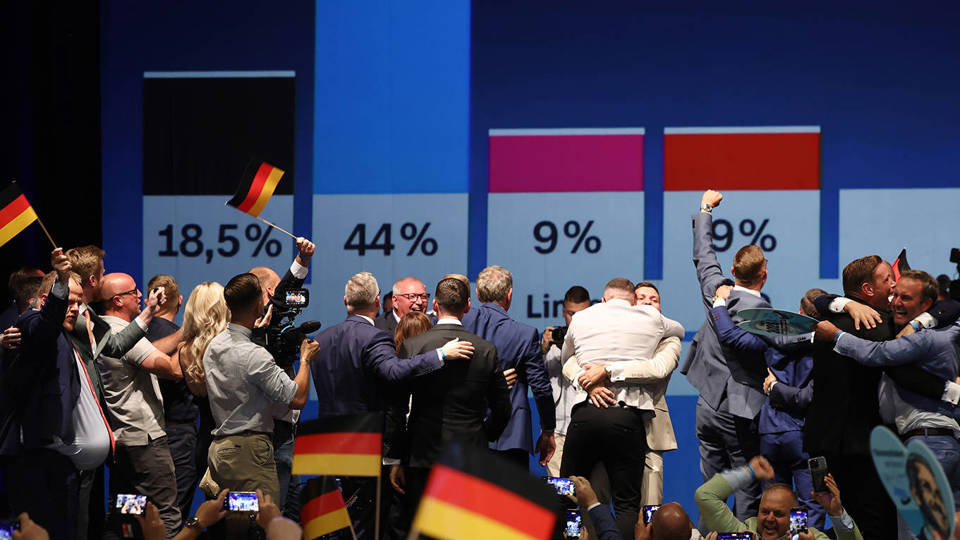
MUNICH—September 6, 2026, could mark a turning point in Germany’s postwar political history. In the Saxony-Anhalt state election, the far-right Alternative für Deutschland (AfD) came within three seats of an absolute majority, winning 43.8% of the vote—more than twice its share in the 2021 election. The AfD’s gains came at the expense of the center-right Christian Democratic Union, the state’s incumbent governing party and the party of Chancellor Friedrich Merz, which won just 17.2%, down from 37.1% in 2021.