Almost a month ago, I was excited for IFA 2026, and I bet most other journalists reporting on consumer technology would have felt the same. My excitement piqued when I sat down for an exclusive interview with Leif Lindner, CEO of IFA, who called “Embodied AI” the hot trend for IFA 2026. But as embargoes lifted, PR pitches rolled in, and now that the show itself draws close, it is evident that IFA 2026 didn’t carry the same energy as its previous editions.
That’s not on the organizers. The blame falls squarely on the brands that have nothing new and exciting to show. Here is my honest opinion about the biggest takeaways from the show and why I feel this year’s event promised more than it delivered.
No Samsung, No Party

For the first time in IFA’s history, Samsung was missing from the show floor. The company didn’t skip Berlin altogether; it ended its 35-year run of exhibiting on the main floor at Messe Berlin and instead hosted its own event at Humboldt Carré in central Berlin, where it showed off its latest TVs, appliances, displays, and other products. Skipping major trade shows isn’t unusual on its own. Apple prefers not to attend IFA or CES, and Luxence continues to stay away from Salone del Mobile. And Samsung’s move could set a precedent for other brands to run their own independent showcases instead of committing to tier-one tech shows.
Et Tu, LG…

If Samsung’s absence was the first sore pill to swallow, LG made it worse. The company did show up, but there wasn’t much on its stand that grabbed our attention. LG showcased an expanded AI Home ecosystem under the theme “Innovation in Tune With You” and marked the European debut of ThinQ Pro for commercial and multi-family spaces. Beyond that, though, it was a cold show for LG. The company showed the StanbyME 2 Max screen and the Xboom Stage 501 audio system, but neither felt new for IFA 2026.
Anker Saved the Show

The only silver lining about the entire event was Anker. The company announced a major historical rebranding alongside 22 new product launches during the event. Some of the standouts were the MindBase smart home hub, AeroClip 2 audio gear, Soundcore Nebula X1 Pro, and MagGo Powerbank 2 Pro. Anker didn’t just save the show. It was the clear showstopper.
iRobot Rose From the Dead

Who would have guessed iRobot had another act left? The company, now owned by the Chinese robotics group Picea, used Europe’s biggest tech show to stage a comeback. It launched two new Roombas, the flagship Max 875 Combo and the more affordable Plus 678 Combo, both built around an AutoWash Dock that empties its own bin, refills water, and washes and dries mop pads without any input from the owner.
Neither model quite matches Roborock’s hardware on paper, but iRobot also showed off something stranger called the Roomba Duo. Currently in the prototype stage, the unit nests a compact companion robot inside a much larger cleaning unit designed to replace upright vacuums and mops altogether. There is no word on price or release date yet, but it’s the most ambitious idea iRobot has floated in years.
CES Remains the Real Deal

Believe it or not, there were actual conferences about CES 2027 at IFA 2026 this year. The show featured three speaking formats, keynotes, press conferences, and stage sessions, spread across five content tracks covering everything from AI and robotics to retail and sustainability. The funny part about most of these conversations was that they centred around the roadmap to CES. While IFA management may call “CES the trailer for IFA”, it feels the other way around.
Dyson Cut Its Teeth in Toothbrush Tech

Dyson skipped the main show floor again this year, but its Dyson Unveiled event in Berlin turned heads anyway, largely because of a toothbrush. Dubbed the CameraJet, it pairs brushing with targeted flossing and mouthwash dispensing, using a built-in macro lens that scans dozens of images a second to spot gaps between teeth and fire a precise burst of rinse exactly where it’s needed. It’s priced at $499, which is a steep ask for a toothbrush, and whether anyone actually wants a camera in their mouth every morning is a different question. In addition to the toothbrush, Dyson also refreshed its HushJet air purifier line and added the W1 PencilWash wet cleaner to its lineup.
Is There Anything Roborock Can’t Do?

Roborock didn’t just defend its territory at IFA 2026; it expanded it. The Beijing-based cleaning company introduced the RockAqua P1 robotic pool cleaner at the event. This pits it directly against BeatBot, Aiper, and iGarden, three names that have long dominated the robotic pool vacuum cleaner market. By now, robot vacuums, wet-dry cleaners, a pool bot, and a lawnmower all sit under the Roborock badge, and it’s fair to ask what corner of the home the company is planning to automate next.
Tier-2 Brands Had a Moment
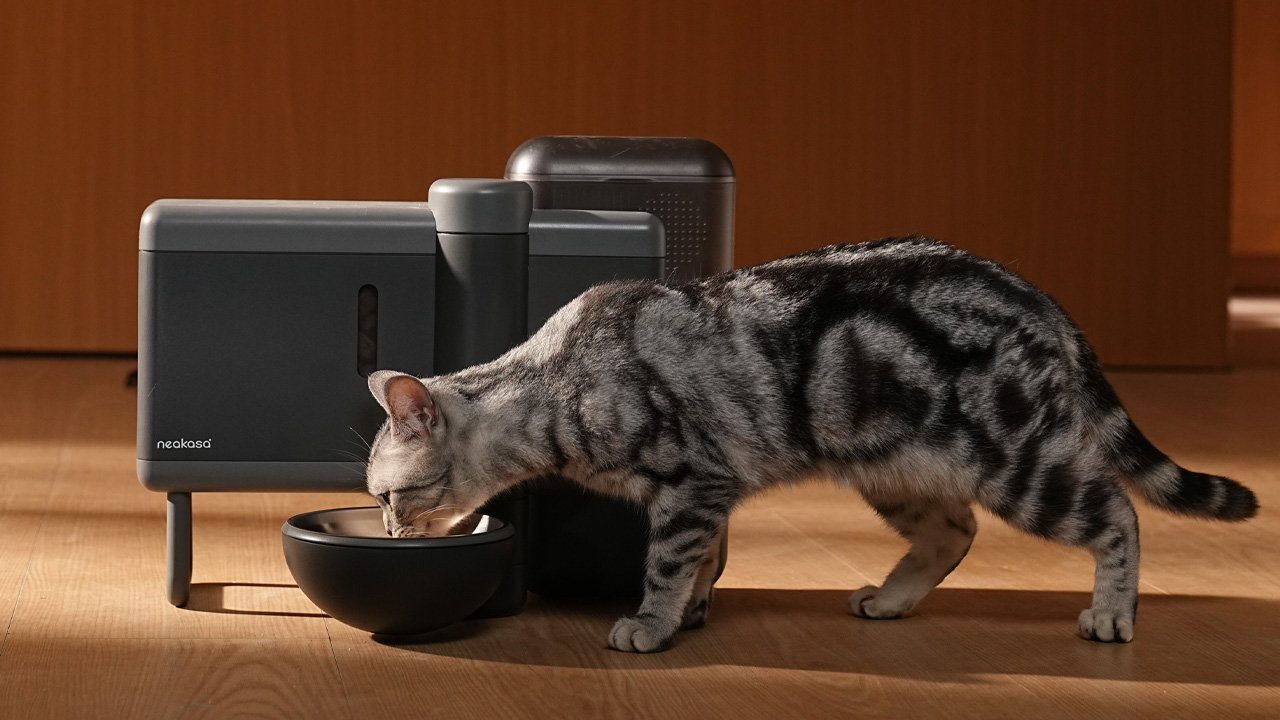
While marquee names fumbled, tier-two brands used IFA 2026 to make real noise. Jackery announced the Energycore, a 100 kWh backup power unit aimed at businesses and farms, alongside updates like the FortiShield and FridgeGuard. Neakasa, better known for self-cleaning litter boxes, showed off Rico, an automatic pet feeder that mixes and rehydrates freeze-dried food on demand. None of these brands carry the weight of a Samsung or an LG, but they walked away with more attention than either of them managed this year.
Embodied AI is the Future, Just Not Yet

Leif Lindner wasn’t wrong to call embodied AI the story of this year’s show. From AI wearable companions to humanoid concepts, the show was packed with a dozen such examples. Morgan Stanley projects the humanoid robotics market alone could reach $5 trillion by 2050, and it’s easy to see why every brand wanted a piece of that narrative in Berlin. The problem is the gap between the demo and the real thing. Industry data shows that robots that succeed 95 percent of the time in a lab often drop to around 60 percent once deployed in the real world. What we saw on the show floor mostly confirmed that gap. The concepts were compelling. The reliability wasn’t there. Embodied AI is coming, but IFA 2026 proved it isn’t here yet.