We may earn revenue from the products available on this page and participate in affiliate programs. Learn More ›
If you reside along the Eastern seaboard or the Gulf of Mexico, you know that prepping for a hurricane is key to keeping your family safe. If your locality issues evacuation orders, don’t second-guess the experts: Get your family, pets, and important documents to a safer area. If you have not been ordered to evacuate and you are shelter in place during a hurricane, remember that riding out a hurricane can be a risky proposition. Take proper precautions, use common sense, and refrain from doing these things during a hurricane.
Don’t walk outside to “feel the wind.”
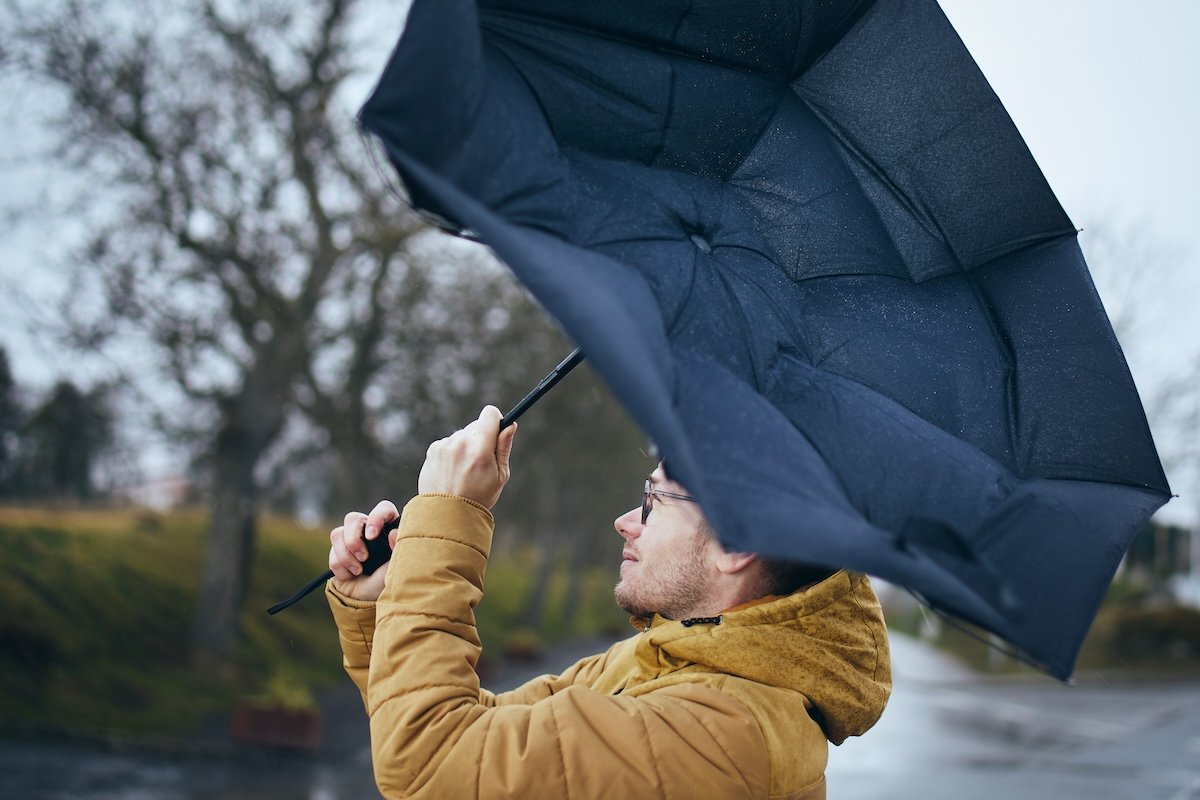
Hurricane winds can reach anywhere from 75 to 200 mph, and even small pieces of flying debris can be deadly at those speeds. Stay indoors until winds die down, and don’t be deceived by the lull that occurs when the eye of the storm is overhead. Once the eye passes, winds pick up quickly and come from the opposite direction. As tempting as it may be, don’t pop outside to see how windy it is.
Don’t use a laptop, microwave, or other electronic devices.
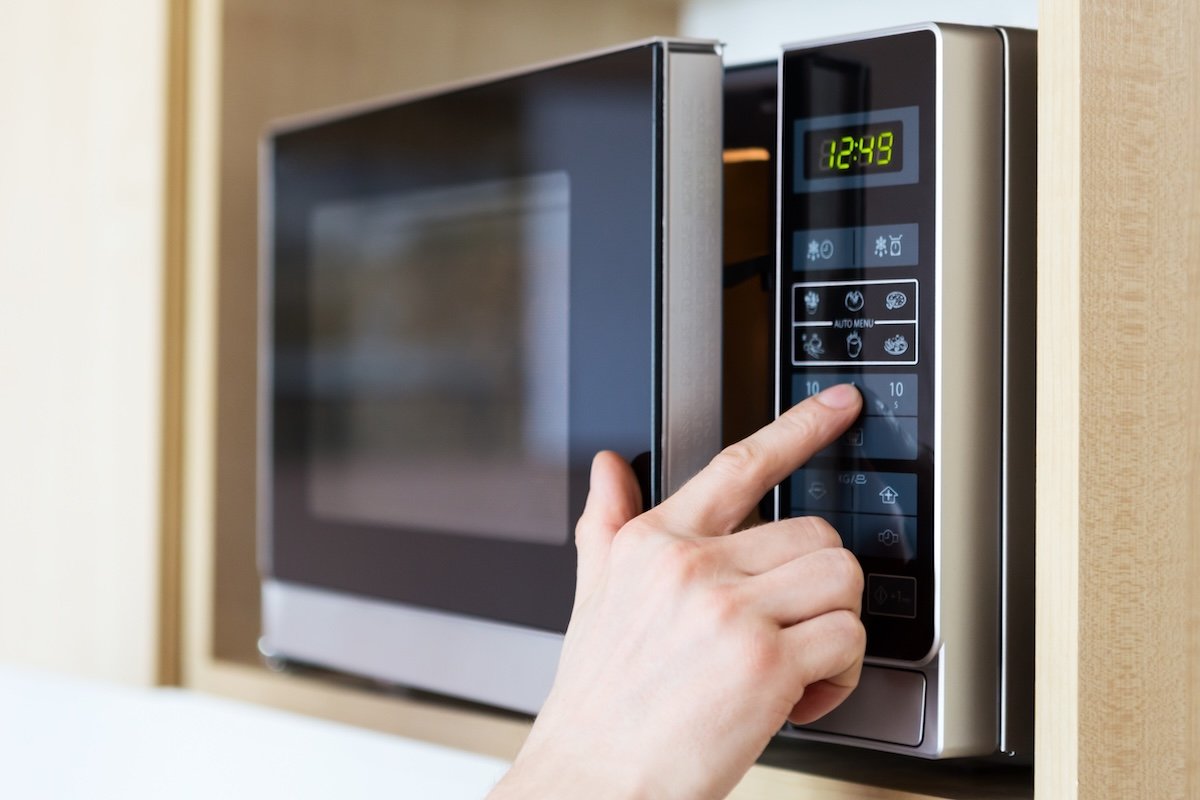
Hurricanes can pose a danger to your plugged-in electrical appliances and devices. Unplug laptops and other sensitive electronics to protect them, and you, from power fluctuations during a hurricane, and power surges that may occur when service is restored. Back up your electronic devices to the cloud, and turn off the main breaker if flooding is predicted—but never attempt to do so if you would need to step into water to reach the breaker box.
Don’t watch the storm through a window.
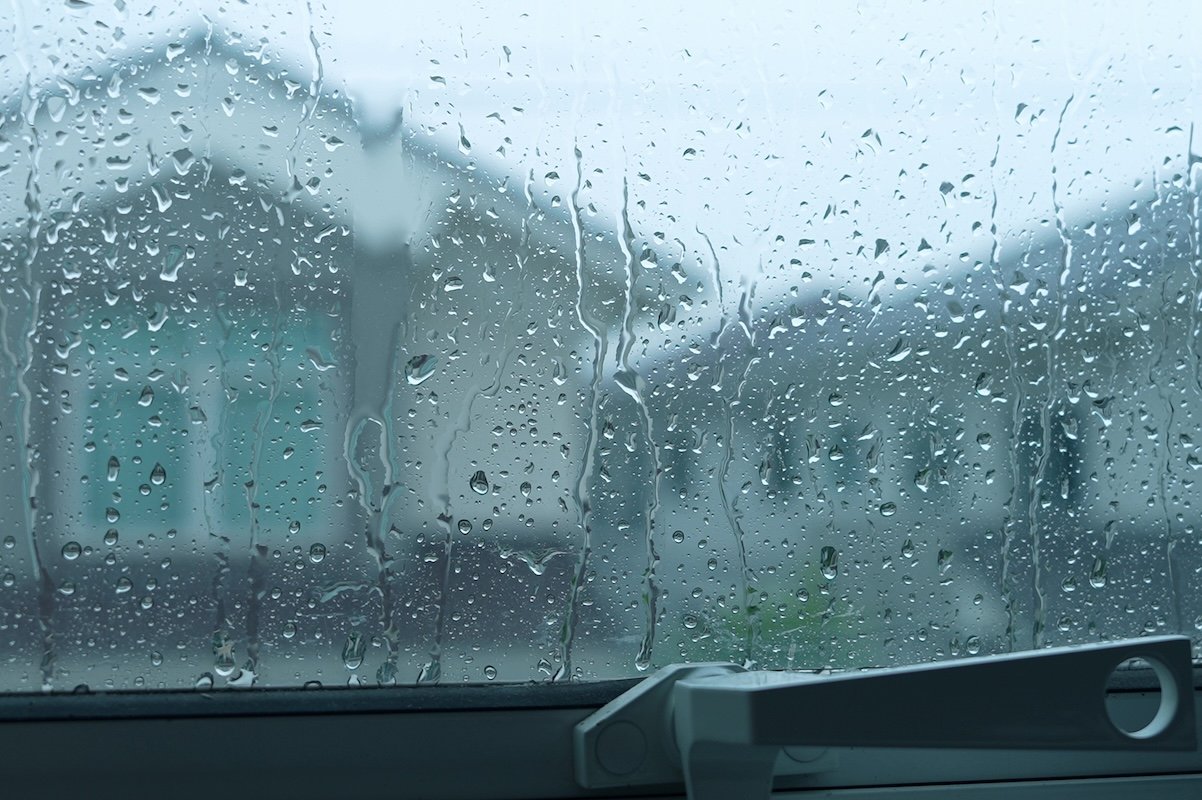
Flying debris and shattered glass can cause serious damage. Board up your windows before the storm hits; during the storm stay away from doors, windows, and other openings where wind could break through and debris could blow in. And while gazing up through a skylight may seem safe, it’s best to avoid that too.
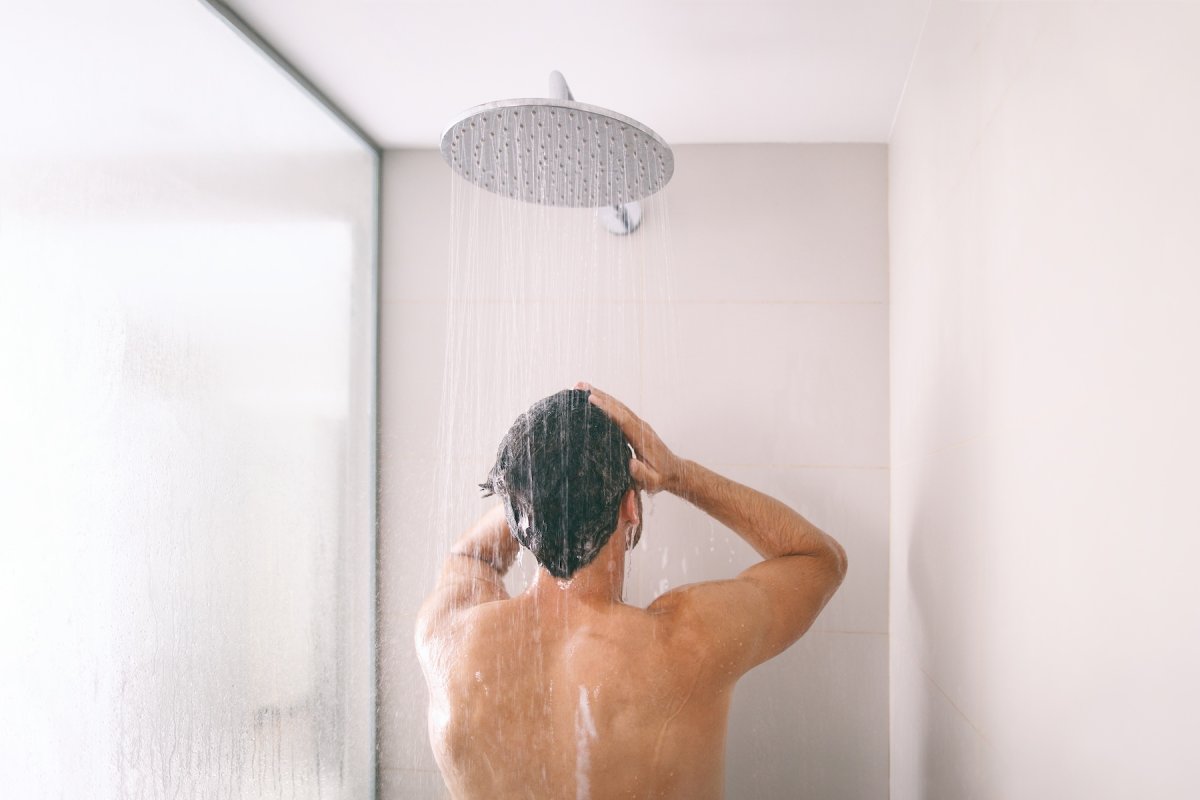
Hurricanes are not typically accompanied by a lot of lightning, but there can be strikes during a storm. Because these can travel through your home’s plumbing system, stay out of the shower, and avoid washing dishes or washing your hands during a hurricane. A lightning strike could prove deadly if you’re in the wrong place at the wrong time.
Don’t shelter near an exterior wall.

Exterior walls are usually dotted with doors and windows, which can break or give way during a hurricane. “The best thing you can do,” advises NOAA, “is to put as many walls as possible between you and the outside.” Interior spaces like closets and bathrooms are protected by the house’s framework, so it’s best to stay toward the center of the house if you can.
Don’t make calls from your cell phone.

Calls may not go through during the storm, and they could clog lines and signals for those experiencing a true emergency. Of course, if you have an actual emergency, call first responders, but remember that the storm could significantly extend response times.
Don’t use outdoor cooking appliances indoors.
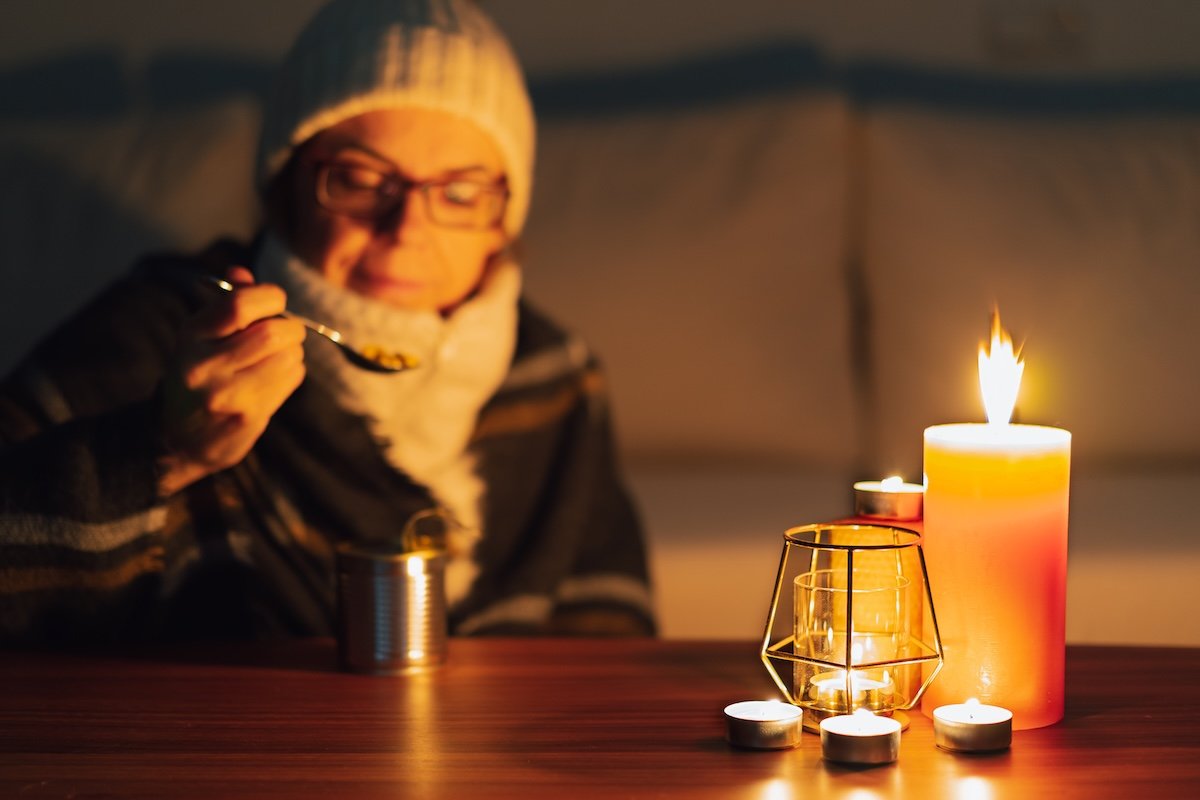
Everyone needs to eat, but don’t use charcoal or gas grills, generators, or propane camping stoves inside the house. These all release dangerous carbon monoxide, which can quickly build up in unventilated spaces. Your best bet is to stick to foods that don’t need to be cooked, and use blankets, coats, and sweaters instead of portable heaters to keep warm.
Don’t wonder where you put your flashlights and emergency gear.
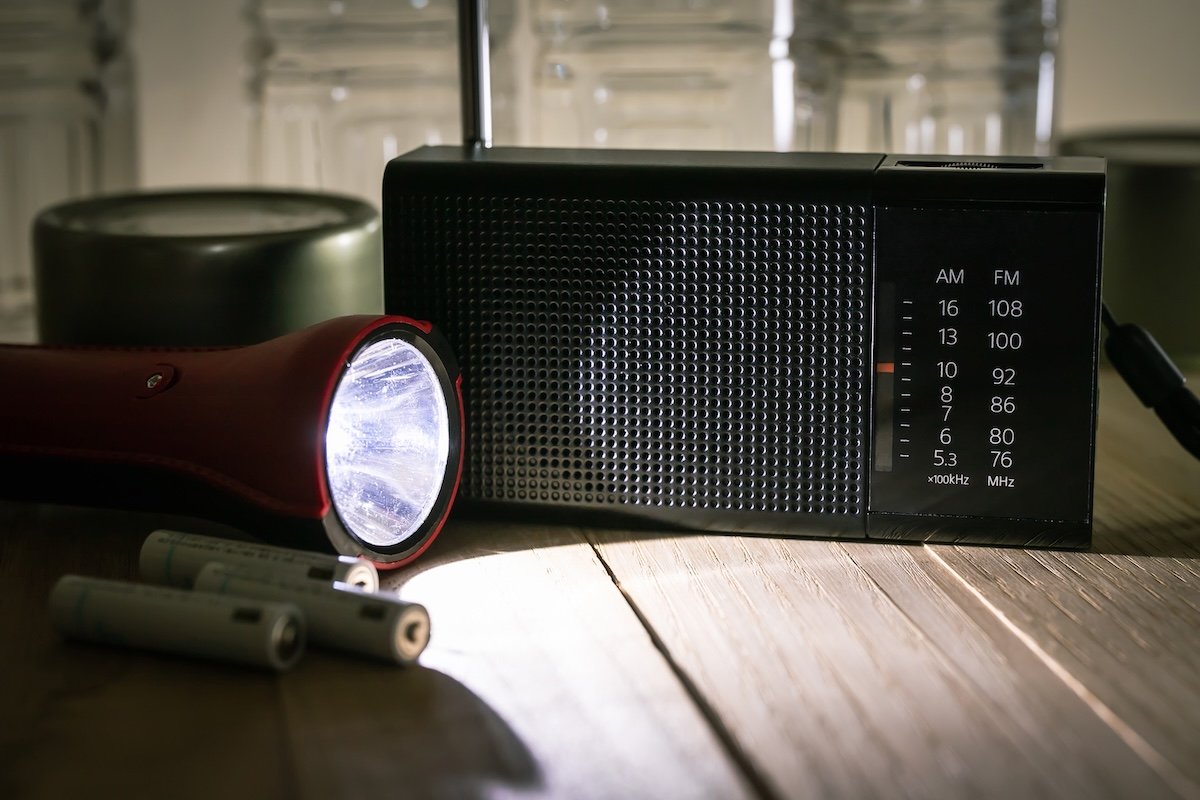
Waiting until a storm hits is not the time to wonder where your flashlight is. You don’t want to be rifling around frantically when the wind is howling and water is creeping toward the door. Make sure you have flashlights, extra batteries, food, and other supplies ready to go long before a hurricane slams ashore.
Don’t head out on a gas run.
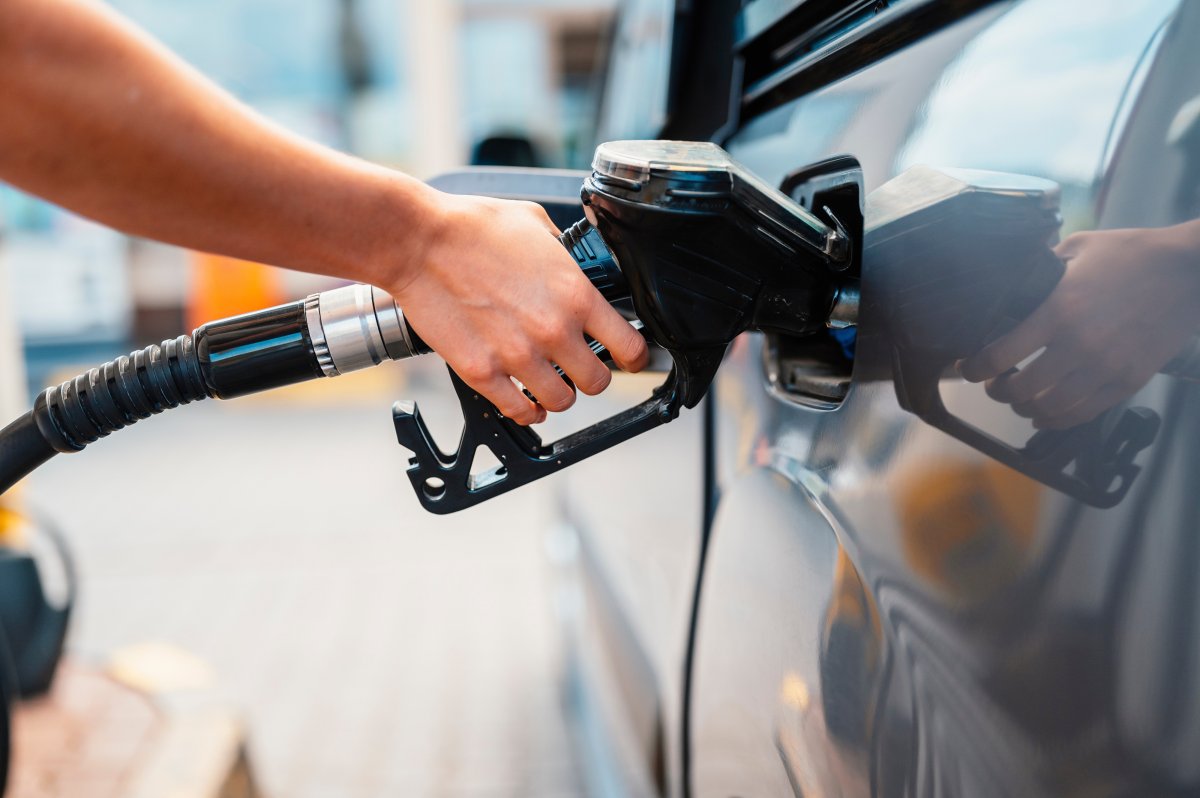
Another thing you shouldn’t be doing as the storm rolls in is filling up your car’s gas tank—if the power is down, the pumps won’t work anyway. This is a task to take care of long before a hurricane hits. It’s good practice to keep a full gas tank in the days leading up to a storm so you’re not caught trying to evacuate with a quarter tank and no way to fill it.
Don’t ignore warnings and evacuation orders.
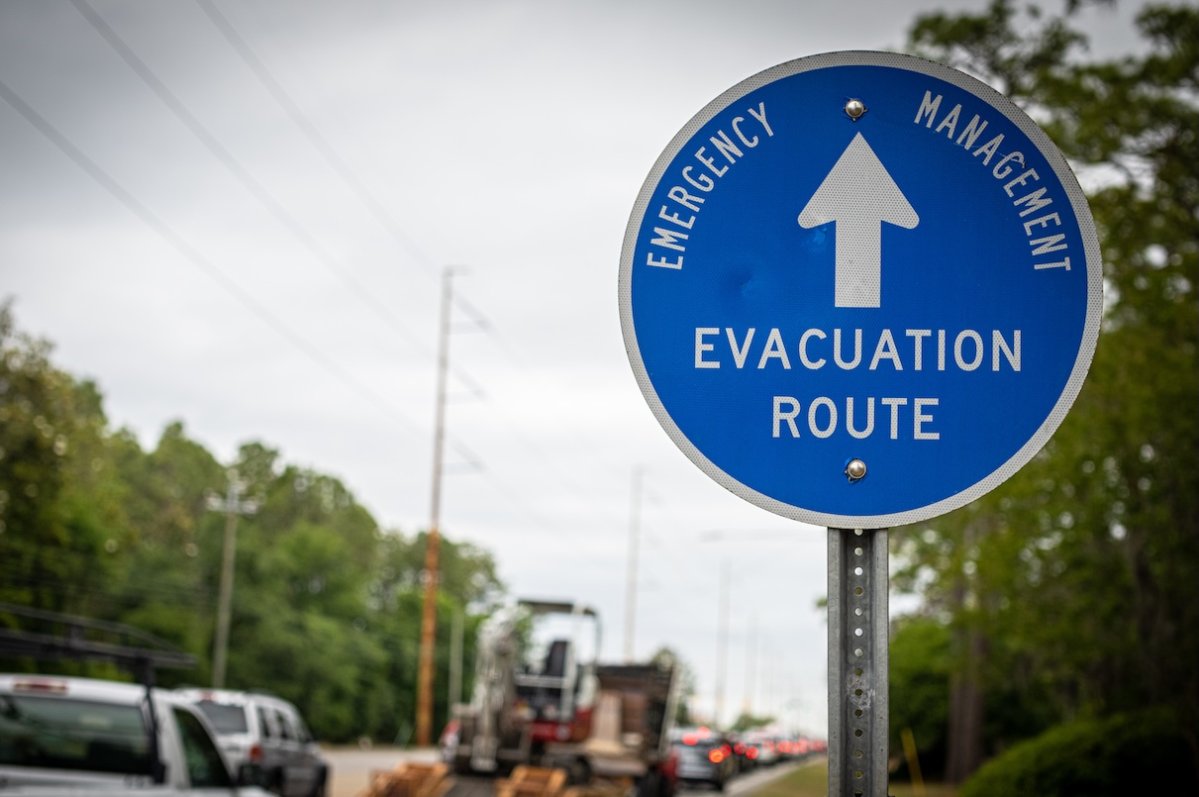
In the early hours of a storm, dangers multiply quickly. Heed warnings from your local officials, and pay attention to road closure signs. If a road is flooded, turn around. At home, board your windows, assemble emergency kits, and devise an emergency plan well in advance. If an evacuation order goes out, heed it and head toward safer ground.
Don’t go back outside until you get the all clear.
Leaving your shelter too soon could prove deadly. If you mistake the calm of the hurricane’s eye for the end of the storm, you may wind up venturing out into the worst of it. Even if the storm really has passed, heading outside before first responders advise leaves you vulnerable to downed power lines, fallen trees, and other hazards. Stay put until police, firefighters, or government officials notify you that it’s safe to move around.
After Testing 20 Air Purifiers, We Found One That Does Something the Rest Can’t