Advisors think the S&P 500 has put too many eggs in one AI basket
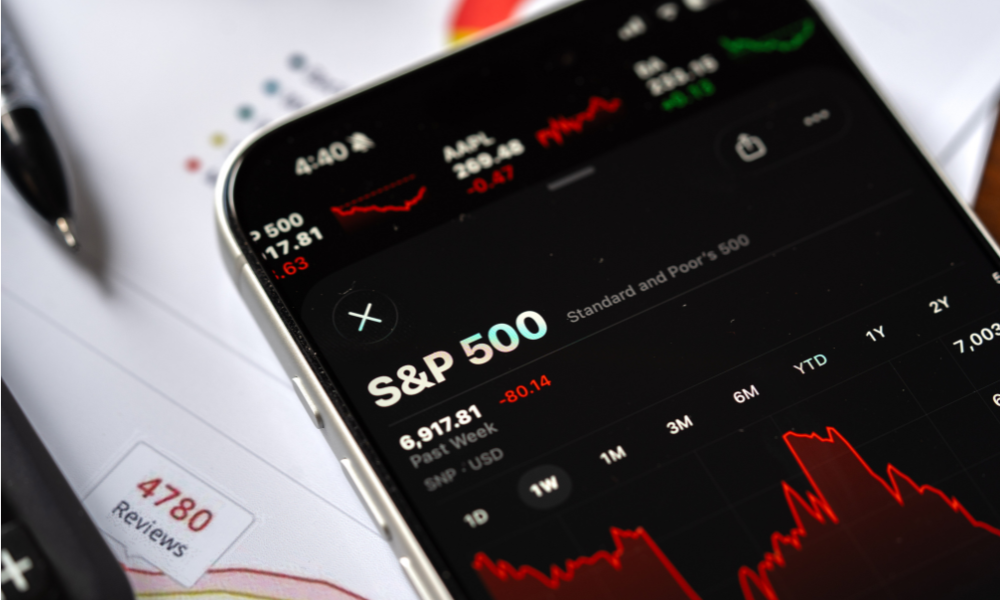
The 10 largest companies made up nearly 41 percent of the S&P 500’s total weight at the end of 2025, more than double their share a decade earlier, according to RBC Wealth Management.
Sheluk said his firm is deliberately building around that index rather than through it, holding “exposures that are not AI dominant” by favouring global over US-only equities, all-cap over large-cap, a Canadian equity weighting of 15 to 20 percent, value tilts, and real estate.
Regulators see the same risk he does.
Sheluk reads Canada’s central bank as recognizing that “AI seems to be a singular theme driving so many data points,” from capital spending and economic growth to stock markets, bond issuance, and private credit, and he flagged cyber-security vulnerabilities in frontier AI models as a second concern.
In its 2026 Financial Stability Report, released May 28, the Bank of Canada introduced AI as a new category of financial-system risk, warning that heavy index exposure to a small group of large, AI-invested technology firms leaves markets open to an outsized correction if the sector stumbles.