Archer Aviation CEO Signals Strong Outlook for Investors
Archer Aviation (ACHR -7.36%) still has a long road ahead. The upstart aircraft maker isn’t generating meaningful revenue, remains unprofitable, and has yet to begin large-scale commercial operations. Yet CEO Adam Goldstein continues projecting confidence about the company’s future, and unlike many early-stage aerospace companies, Archer now has several tangible milestones to support that optimism. The biggest catalyst is commercialization.
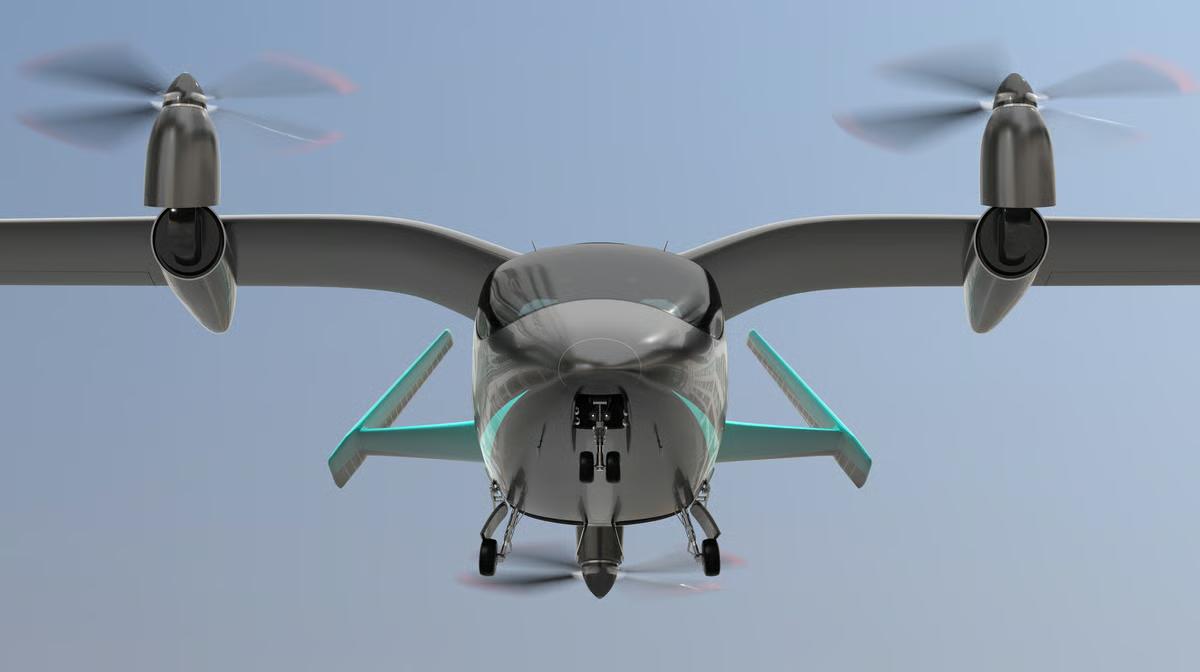
Management now expects to begin initial U.S. operations later this year through the White House’s eVTOL Integration Pilot Program (eIPP) while continuing preparations for the 2028 Los Angeles Olympics, where Archer hopes to showcase its Midnight electric aircraft. The company has also noted that it has made record progress toward FAA certification, becoming the first eVTOL manufacturer to complete phase 3 of the FAA’s four-phase type certification process.
All this doesn’t mean certification is finished, but it does suggest Archer is moving closer to commercial service than some may realize — and that should be good news for investors.
Balance sheet is strong
Early-stage aviation and aerospace companies typically face one recurring problem: cash. Aircraft development is expensive, certification takes years, and delays are common. Companies often need to raise additional capital long before they generate meaningful revenue. Archer appears well positioned here, though.
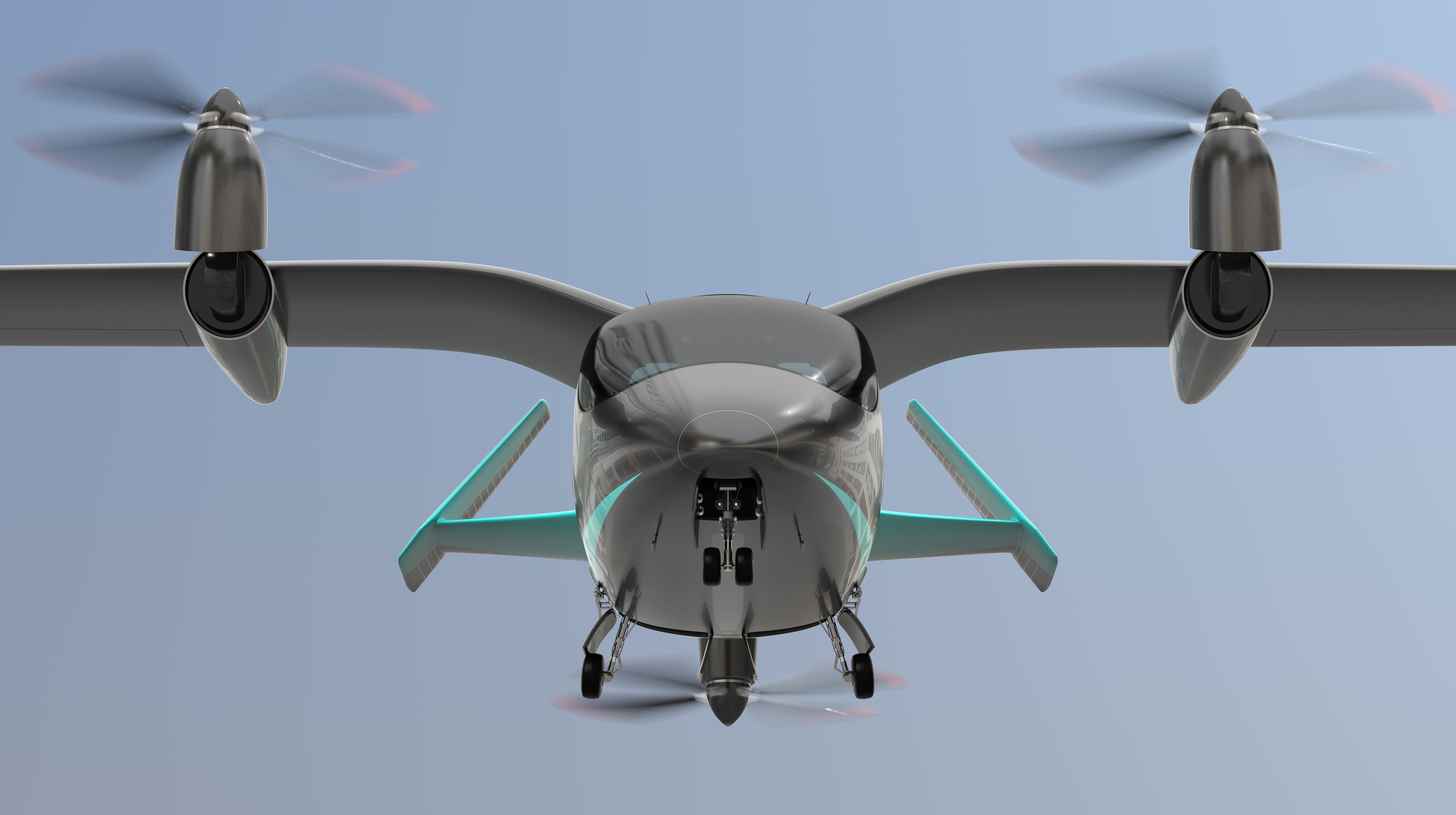
Image source: Getty Images.
At the end of Q2, Archer held approximately $1.56 billion in cash, cash equivalents, and short-term investments. During the quarter, the company used roughly $156 million in operating cash while investing another $37 million in property and equipment as production ramp-ups continued. That isn’t sustainable forever, but it does provide Archer with considerably more flexibility than many early-stage aerospace companies that must regularly raise new capital.
More than just an air taxi company
One notable shift in Goldstein’s messaging is that Archer increasingly describes itself as an aerospace and defense technology company rather than simply an urban air mobility business.
That strategy received a major boost with the announcement that Archer will acquire Boeing‘s Wisk business, drone manufacturer Insitu, and airspace software company SkyGrid. That transaction gives Archer access to autonomous flight technology while adding an existing defense business that generates more than $200 million in annual revenue through Insitu.

Today’s Change
(-7.36%) $-0.50
Current Price
$6.29
Key Data Points
Market Cap
Day’s Range
$6.16 – $6.92
52wk Range
$4.30 – $14.62
Volume
663.7K
Avg Vol
44.2M
Gross Margin
-39275.36%
This was not a trivial move. Instead of waiting years for air taxis alone to become profitable, Archer could begin generating meaningful revenue from defense, autonomous systems, and aviation software much sooner.
Of course, none of this eliminates risk. Archer still reported only about $5 million in second-quarter revenue while posting a net loss of more than $263 million as it continues investing heavily in certification, manufacturing, and new aircraft development. Commercial operations remain dependent on final FAA approval, and delays would almost certainly push profitability further into the future.
Still, Goldstein’s confidence appears more credible today than it did a year ago. Archer now has regulatory momentum, a sizable cash reserve, manufacturing capacity, government partnerships, and an expanding aerospace and defense strategy that extends well beyond air taxis.
The company still has plenty to prove, but it’s certainly no longer just a “concept.” And the market is now starting to evaluate it as a real, viable business that’s beginning to assemble the pieces necessary for commercial execution.