Billionaire Ken Griffin Said an AI System at Citadel Reproduced 8 Weeks of Ph.D.-Level Research in 2 Hours. He Now Believes AI Will Spark a “Golden Age” of Entrepreneurship.
Ken Griffin used to doubt the artificial intelligence (AI) hype. Now, after watching an agentic system inside Citadel reproduce weeks of Ph.D.-level finance research in a couple of hours, he thinks AI could unleash a “golden age” of entrepreneurship. That is a remarkable shift coming from one of the most analytical investors in the world.
At Goldman Sachs‘ Apex Symposium, Griffin described a process that had traditionally consumed six to eight weeks of work from teams of young master’s and Ph.D.-level finance researchers. Their job was to read a paper, reconstruct its methodology, verify the published results, and test whether those results still held for data beyond the original sample. Citadel built an AI agent that could do that entire workflow in roughly two to three hours per paper.
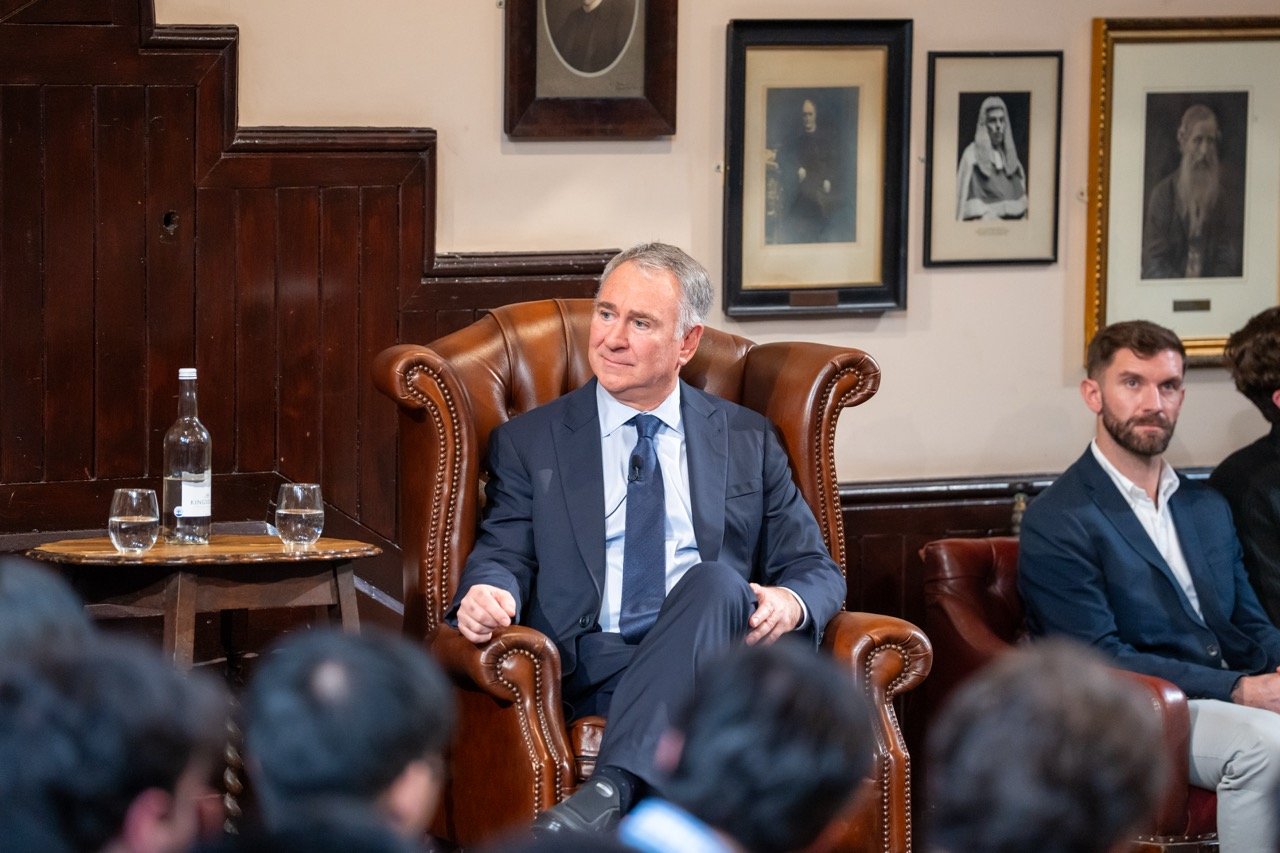
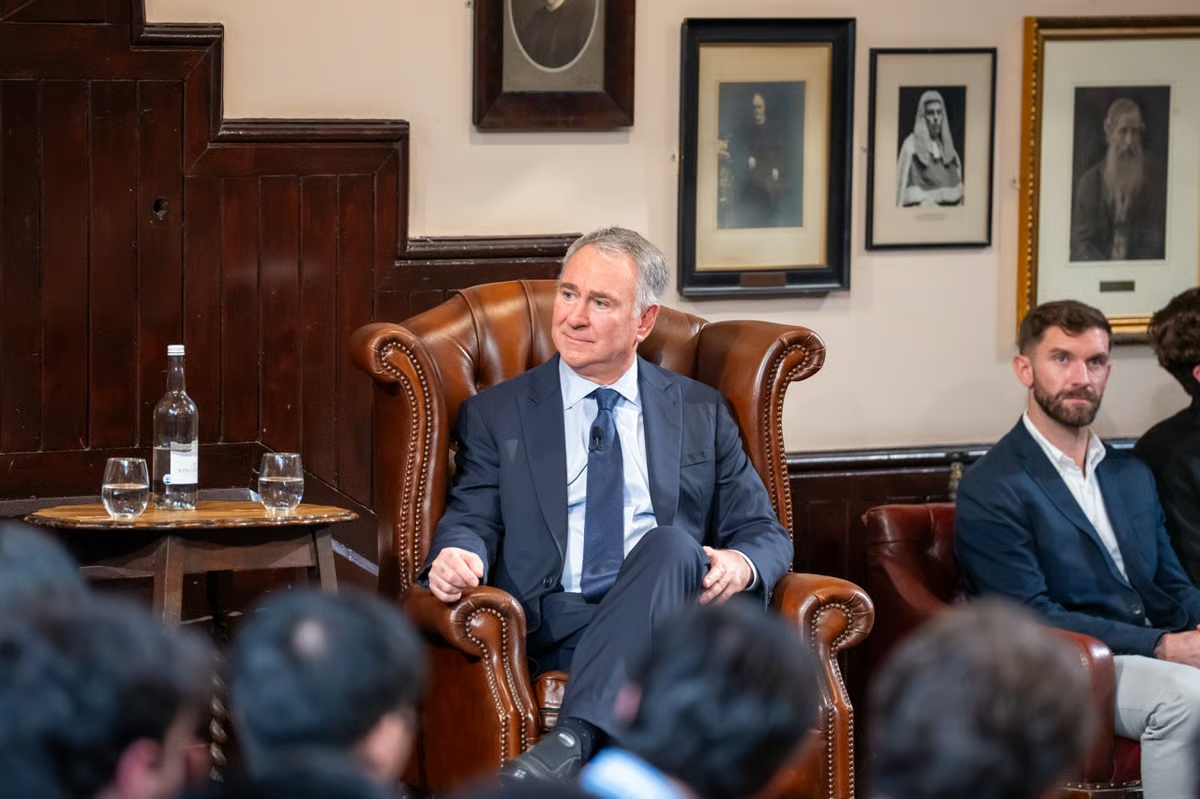
Ken Griffin, Citadel Founder and CEO. Image source: Getty Images.
According to Griffin, AI handled a form of research that requires coding, data work, statistical validation, skepticism, and iteration. In a hedge fund, finding even a few reliable ideas can be worth serious money, so shrinking the research cycle from two months to an afternoon changes how many questions a firm can pursue.
Griffin’s reaction wasn’t all celebration. Earlier this year, he said that seeing advanced research work handled by AI left him “fairly depressed,” because the effect on highly educated knowledge workers could be far more disruptive than people expect. He specifically distinguished the modest productivity boost he has seen in software development from the much larger jump now emerging in analytical research. That is an important warning. The first jobs affected may not be just repetitive office roles. AI is moving into the work many people assumed would remain securely human because it demands advanced degrees.
AI’s upside, according to Griffin
Still, Griffin sees an easy-to-understand upside. If a tiny team can use AI agents to research markets, write code, validate assumptions, support customers, and run operations, the cost and time required to launch a company falls sharply. He believes that will let entrepreneurs build businesses at “breathtaking speeds” and challenge incumbents that once benefited from having large teams and big budgets. In his view, some established corporate moats may weaken because expertise becomes easier to access, while companies that own expensive compute, proprietary data, or large distribution networks may become even harder to compete with.
I think Griffin is describing a new economic split. AI will make skilled work dramatically more productive, but it will also reward judgment, access to data, and the ability to turn answers into a real business. The winners will not necessarily be the people who ask AI the best question. They will be the entrepreneurs who use it to move from an idea to a product, and from a product to customers, before any large rival can react.