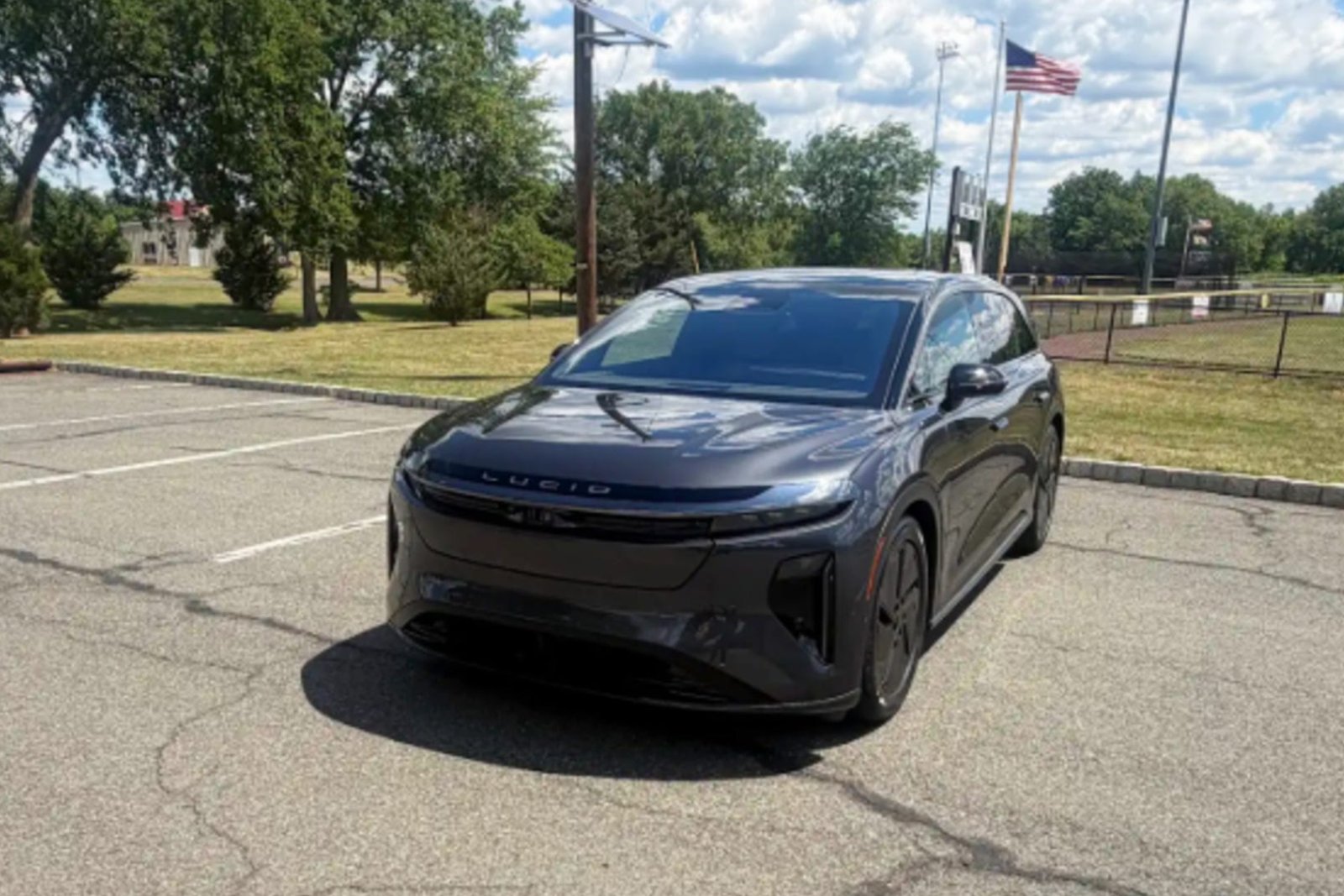
I Drove the 2026 Lucid Gravity. Its Tech and Acceleration Surprised Me
The Lucid Gravity is the American electric vehicle brand’s first-ever SUV. It’s a tech-centric and performance-oriented EV that boasts impressive specs.
I’ve seen the Gravity at multiple auto shows and finally got behind the wheel of the innovative electric vehicle for USA TODAY Cars. Here’s why the 2026 Lucid Gravity is one of the most impressive new vehicles I’ve tested this year.
What Stands Out About the 2026 Lucid Gravity?
The Gravity’s software and driving dynamics set it apart from rivals. Lucid’s family SUV has amazing tech features that make the EV feel futuristic for its driver and passengers. My passengers and I were mesmerized by Lucid Spaces, a feature that creates an immersive in-cabin wellness and meditation experience using the SUV’s screens and speakers.
In terms of driving dynamics, the Gravity feels sporty for an SUV because of its massive power and instant torque. It’s more fun to drive than most vehicles its size because of its quick acceleration (0-60 mph in about 3.3 seconds) and agile steering.
Performance, Handling and Efficiency
The 2026 Lucid Gravity produces 560 horsepower using two electric motors. It has 337 miles of driving range. I tested the Grand Touring final trim, which produces an incredible 828 horsepower and has 450 miles of driving range.
Lucid’s Gravity is quick for a family SUV, handles well and is incredibly efficient. It also has adjustable regenerative braking to help conserve battery capacity.
The Gravity has plenty of power, making it enjoyable to drive on highways. It also has a smooth ride quality.
Interior, Tech and Comfort
The 2026 Lucid Gravity’s cabin is unique. It’s the most futuristic vehicle I’ve driven this year, and I’ve tested dozens of new cars in 2026.
It comes standard with a 34-inch curved floating glass display and a 12.6-inch center touchscreen for vehicle and climate control settings. The electric SUV features high-quality cabin materials and a massive panoramic glass roof.
The 2026 Lucid Gravity has 360-degree camera views that help with parking, blind-spot monitoring and a 10-speaker audio system. Its cabin is quiet, comfortable and modern.
Will the 2026 Lucid Gravity Fit Your Lifestyle?
The three-row full-size electric SUV seats seven. It is 198.2 inches long, 87.2 inches wide with mirrors and 65.2 inches tall.
Lucid’s electric SUV has 21.3 cubic feet of cargo space behind its third row of seats. The SUV is roomy enough for families and should fit your lifestyle if you regularly travel long distances with passengers and cargo.
Price, Value and Competitors
The 2026 Lucid Gravity electric SUV starts at $79,900. It comes in two trims, including the Grand Touring final trim that I tested for a week.
- Gravity Touring: $79,900
- Gravity Grand Touring: $98,900
The 2026 Lucid Gravity could be worth buying for drivers comfortable with electric vehicle ownership. Its power, quick acceleration and modern software are its strongest assets.
Lucid’s new EV competes with electric family SUVs like the Rivian R1S and BMW iX. The Gravity SUV boasts the best standard driving range of the trio and the best maximum driving range (450 miles). It also has the highest base horsepower.
BMW’s iX is slightly more affordable than the Lucid Gravity and Rivian R1S. Rivian’s electric SUV is the better choice for off-roading enthusiasts.
Final Verdict: Who Should Buy the 2026 Lucid Gravity?
The 2026 Lucid Gravity may be impressive from a performance and technology standpoint, but it isn’t for everyone. A starting price near $80K prices out many buyers, like Rivian’s full-size electric SUV, the R1S.
Pricing aside, the Gravity offers enough driving range to be practical and comes with a North American Charging Standard port. I was able to replenish most of its driving range at a Tesla Supercharger in around 30 minutes while using the EV’s audio and display features.
If you want a family SUV that’s fast, practical and comes with cool tech, the Lucid Gravity offers a distinct ownership experience.
Charles Singh is an Autos Connect Reporter for The Tennessean, part of the USA TODAY Network.