SEC weighs direct funding of Consolidated Audit Trail

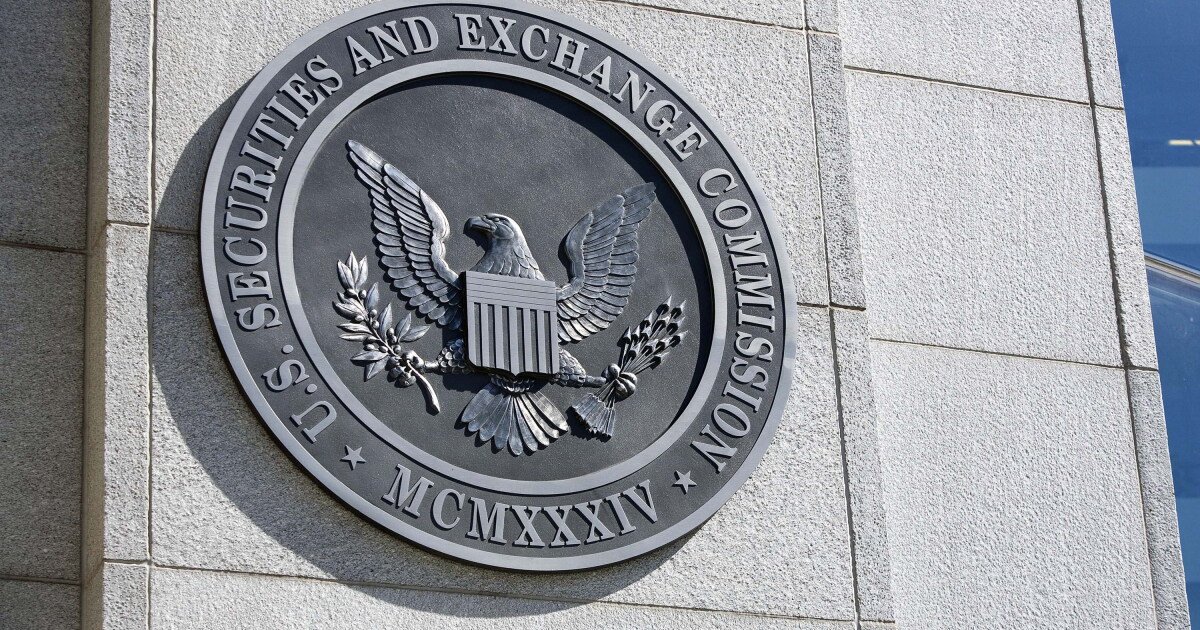
The Securities and Exchange Commission is considering taking direct control of a controversial database that tracks trades across U.S. equities and options markets after Citadel Securities won a lawsuit challenging its funding last year.
Processing Content
The agency is exploring ways to directly fund the so-called Consolidated Audit Trail, rather than having it be funded by exchanges, who often pass the cost on to brokers. It is also looking at ways to directly administer the database rather than the current, external corporation currently overseeing the data.
“These measures would provide a significant, positive change to the structure of the CAT and address fundamental issues with its current costs, governance, and funding,” SEC Chairman Paul Atkins
The changes wouldn’t likely occur until late 2027 but the SEC is making them public now “so that market participants and investors can understand the substantial reforms that we plan to make,” Atkins said.
The database was created in the wake of the 2010 “flash crash” that wiped nearly $1 trillion off of U.S. stocks before rebounding soon after. In addition to helping with SEC enforcement investigations, it also helps the agency conduct real-time monitoring of market conditions.
The industry has complained for years, however, about the ballooning costs and the scope of data collected. The markets watchdog moved earlier in the Trump administration to remove personally identifiable information from the reams of trading data that are held for investigating potential malfeasance in financial markets.
Securities trade group Sifma applauded the move and said Tuesday it was a “major step forward in reforming the CAT.”
Atkins has sought to address one of the big cost-drivers of the CAT’s cloud computing and storage costs by allowing for data older than five years to be deleted and would scale back how swiftly certain data has to be reported. Options trade reporting, even for unfilled orders, has driven up storage costs as retail traders have piled into options paid for by exchanges and the Financial Industry Regulatory Authority, the brokerage industry’s self-regulator.
Citadel Securities and the American Securities Association won a
“It’s the right thing to do,” Larry Tabb, global head of financial sector research at Bloomberg Intelligence, said in an interview. “This way, with the SEC paying for it, virtually everybody who buys stock pays for it. It’s a small fee, and it changes depending upon the amount of volume and the funding level of the SEC.”