How to Get Rid of Aphids on Your Garden Plants
Project Overview
Working time: 5 minutes to an hour, depending on the number of affected plants
Total time: 5 minutes to an hour, depending on the number of affected plants
Skill level: Beginner
Estimated cost: $0 to $35
Before You Begin
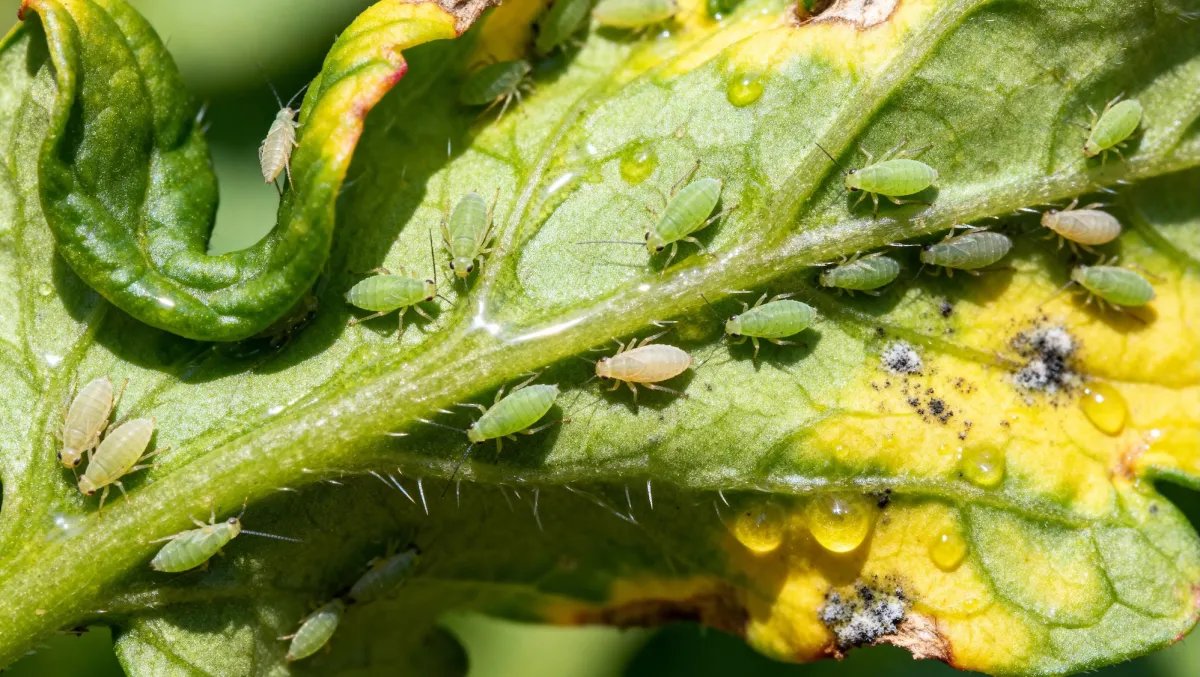
Keep in mind that in small numbers, aphids do little damage. They also provide a food source for beneficial insects. Unless your plants are severely infested or prone to viruses—which aphids can spread—heed the advice of the University of Minnesota Extension: “Treating aphids for the health of plants is usually unnecessary.” As a result, you’ll want to start with the most natural method of aphid control and go to the next step if aphids still present a problem.
Step 1: Hose down your plants.
If you spot a few aphids on your plants, a minor infestation can be successfully remedied by a strong stream of water from a garden hose spray nozzle. Spray water all over the plant, making sure to target the undersides of leaves. Repeat this process every few days until you’ve successfully eliminated all aphids, which could take up to 2 weeks.
Best Garden Hose Nozzle
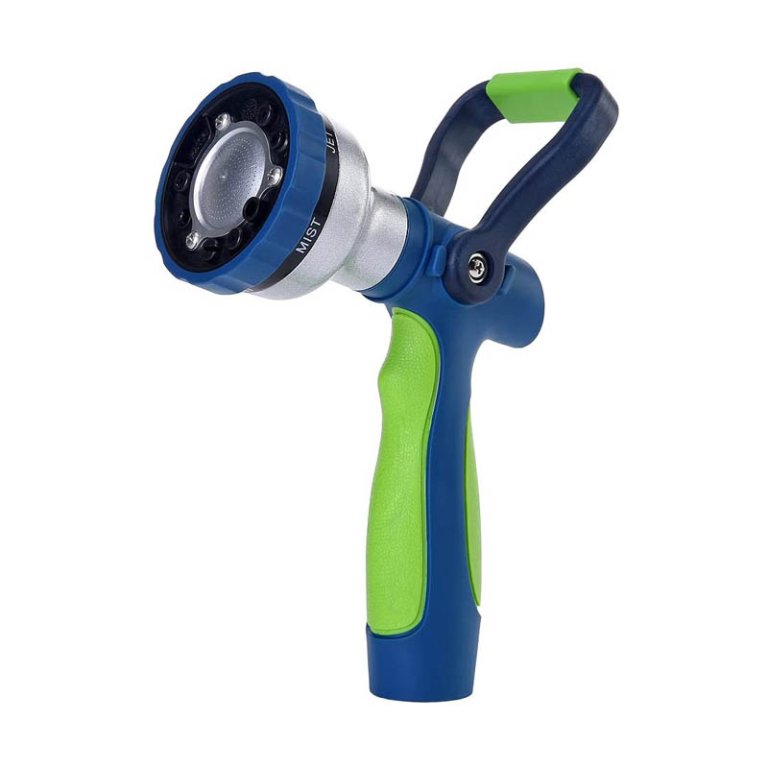
Photo: Amazon
Photo: Amazon
Step 2: Remove aphids by hand.
Some aphids will return after hosing them off. Experienced gardeners often remove and crush slow-moving aphids by hand when working among their plants. The advantage of this approach is that it can be done at any time of day, and under almost any conditions. Just avoid handling fungus-prone plants such as roses when they are wet.
If barehanded aphid squishing doesn’t appeal to you, wear gardening gloves, wipe the insects off with a soapy cloth, or knock them into a bucket of soapy water rather than crushing them.
Step 3: Spray plant leaves with a dish soap solution.
Waging war with larger numbers of aphids, or seeing them return after the first steps? Make a homemade insecticidal soap, a low-toxicity bug control solution that will desiccate aphids’ soft bodies and kill them without harming your plants. Simply mix a few teaspoons of a mild liquid dish soap with 1 quart of water, then spray or wipe the solution onto the leaves, stems, and buds of the plant. (These bugs like to hide beneath leaves, so take care to thoroughly coat the underside of the leaves, too.) Repeat the process every 2 or 3 days for the next few weeks, until you no longer notice aphids on the plant.

Tried-and-True Advice
“Aphids are definitely troublesome, but I find they’re one of the easier pests to tackle on indoor or outdoor plants. I leave some aphids alone, especially milkweed aphids, which I find don’t really impact my plants and I don’t want to risk using products on milkweed because of pollinators.
However, if my veggie plants or houseplants develop aphid problems, I wash them down with the hose, focusing the water on the tops and undersides of affected leaves. That’s usually all it takes to get rid of aphids, but if the infestation is severe, I may follow this up by spraying plants with water mixed with a few drops of Castile soap.”
—Lauren Landers, Contributing Writer
Step 4: Begin a regimen using commercially available, organic aphid control products.
For gardeners who want to get rid of aphids naturally, there are organic products for aphid control that may fix the problem. These products include insecticidal soap, which dries the insects out; all-season horticultural oil, which smothers the insects or their overwintering eggs; and neem oil, which makes them sick enough to stop eating. Keep in mind that some of these products can kill beneficial insects as well, so use them only after other control has failed, and only “bad bugs” are present:
Safer Insect Killing Soap
Bonide All Seasons Horticultural and Dormant Spray Oil
Neem Bliss Pure Neem Oil
Step 5: As a very last resort, consider a systemic pesticide (optional).
If your aphid infestation is substantial and is not improved after using insecticidal soap, you could kill them with a systemic pesticide such as Imidacloprid. However, according to the University of California, “Imidacloprid can have negative impacts on predators, parasitoids, and pollinators, so its use should be avoided where soaps and oils will provide adequate control.” The following pesticides all control aphids, but only should be used other solutions have failed, and you’ve researched the risks of using pesticides:
Bonide Insect Control Systemic Granules
Bonide Systemic Houseplant Insect Control
BioAdvanced 12 Month Tree & Shrub Protect & Feed
Be sure to mix and apply the pesticide according to the manufacturer’s directions.
How to Get Rid of Aphids on Indoor Plants
Solving the problem of ridding houseplants of aphids is all about adapting outdoor aphid control for the indoors. Bringing a garden hose inside isn’t an option, but you can achieve a similar result by tightening the nozzle on a spray bottle until the water in it streams rather than sprays. Next, tilt your houseplant over a sink and use that hard stream to shoot off the aphids.
Other methods that will help get rid of aphids on indoor plants include:
- Hand-pick the aphids, as described above.
- Snip off the tips of your plants where the aphids congregate to remove the insects. Dispose of the plant matter and the bugs.
- Dab individual aphids with a cotton swab soaked in rubbing alcohol.
- Spray your plant thoroughly with commercial insecticidal soap.
- Alternatively, enclose its pot inside a plastic bag before swishing the plant’s foliage in a sink of soapy water made from a mild liquid soap.
How to Prevent Aphids
After eradicating aphids from your garden (or before having to), take measures to prevent the pests from returning. Here are three ways to deter aphids from your plants.
Introduce beneficial bugs.
Several species of bugs—like lady beetles, lacewings, and parasitic wasps—control aphids. Providing a habitat of flowers to supply nectar all season, and ground covers for a cool and protective spot to hide will help draw beneficial insects to the garden and keep the aphid population in check. Ladybugs also can hide in mulch and leaves.
You can buy these natural predators online. If you introduce beneficial bugs to your garden, do not use a broad-spectrum pesticide because it will kill them as well as the aphids.
Apply dormant oil.
If aphids have settled on your fruit trees apply dormant oil, a commercial oil that controls pests during the off-season to kill eggs that are overwintering. Mix the dormant oil with water in a garden sprayer, according to the directions on the packaging, and apply to the leaves, stems, branches, and trunk of the tree. Reapply per the manufacturer’s directions.
Choose neighboring plants that will help deter aphids.
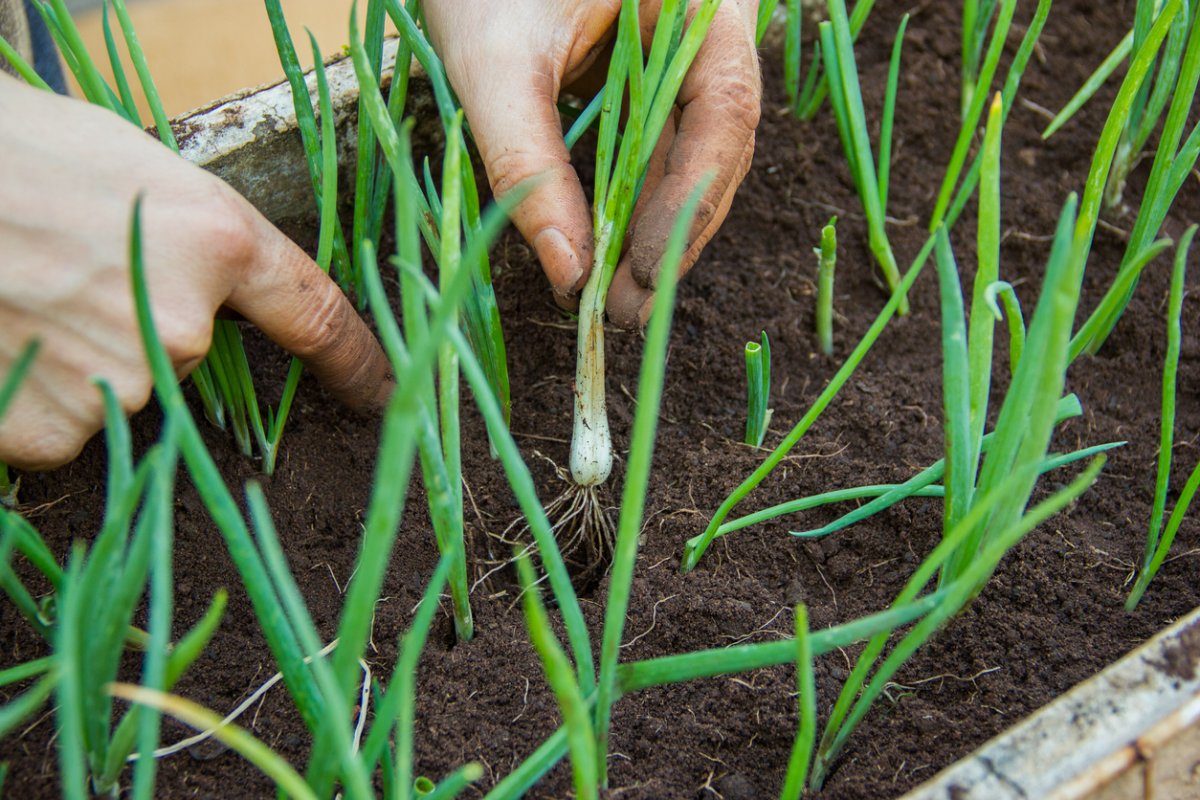
Oregano, chive, sage, garlic, leeks, onions, and other plants with strong scents can deter aphids. Plant these in areas of your garden where aphids have been a problem. You also can grow flowering plants that attract aphids, like calendula and nasturtium, on the opposite side of your property to help draw aphids away from the affected area. Companion planting is a long-term prevention measure that could help diminish aphid populations after several seasons.
Final Thoughts
If you are looking for ways to get rid of aphids permanently, don’t get your hopes up. Be vigilant during these months by looking regularly for signs of the insects. If you find them, first try the most natural methods of control, such as spraying them off with water or hand-picking small groups. Repeat the spraying or picking every few days as needed.
Avoid overfertilizing your plants, which provides too much of the soft new growth that aphids adore, and try to attract beneficial insects that will help keep the aphid population in check. Only turn to chemical control if aphids persist and are damaging plants.
Our Best Advice for Beginner Gardeners