Organic Modern Is Defining Home Décor Right Now

Natural materials, handcrafted pieces, and sculptural furniture define the most popular home décor right now. Designers refer to the look as Organic Modern, a style that combines clean lines with warm wood tones, statement stone, textured finishes, handmade ceramics, and earthy colors instead of perfectly matched furniture and polished surfaces.

These interiors show how the trend comes together across different rooms. Live-edge wood, artisan pottery, decorative tableware, sculptural seating, textured wall art, and mixed materials appear again and again, giving homes a collected look built around natural texture rather than decoration alone.
Handmade Pottery Moves From the Pantry to Open Display

Large crocks, pitchers, mixing bowls, butter dishes, and stoneware jars fill the display instead of hiding inside cabinets. Glazed finishes vary from piece to piece, giving every vessel a handmade appearance that machine-perfect ceramics cannot match.
Brown clay, cream interiors, and simple forms fit organic modern, farmhouse, and rustic interiors alike. Collections work because size, shape, and finish vary while the material stays consistent.
Decorative Dinnerware Becomes Part of the Table Design

Butterflies, floral borders, gold detailing, and layered place settings turn dinnerware into decoration before the first meal reaches the table. Every plate contributes another layer of color and pattern.
Matching collections no longer depend on plain white porcelain. Decorative sets stay visible inside glass cabinets, open shelving, or fully styled dining tables.
Open Shelving Shows Collections Instead of Hiding Them

Large shelving units display stacked plates, bowls, serving pieces, and mugs as part of the room instead of storing everything behind cabinet doors. Open storage introduces color, texture, and rhythm across an entire wall.
Wood shelving, dark steel framing, and layered ceramics combine storage with display, giving everyday pieces a permanent place in the design.
Live-Edge Wood Keeps Natural Grain Visible

Straight cabinet doors meet raw tree edges that preserve the original outline of the slab. Knots, grain changes, and uneven contours become the focal point instead of something hidden during manufacturing.
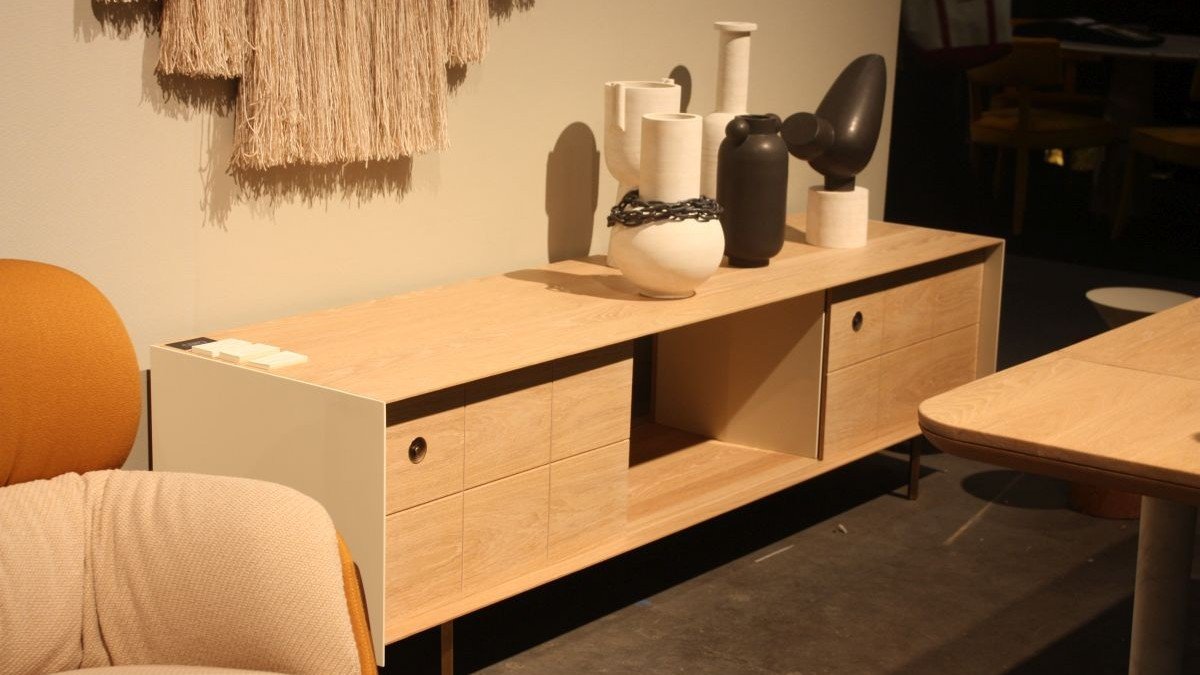
Large sideboards and consoles now celebrate natural imperfections instead of sanding every surface into identical rectangles.
Industrial Pieces Mix Utility With Furniture

Steel wagon wheels, reclaimed wood planks, and oversized hardware turn a coffee table into something that resembles workshop equipment more than traditional living room furniture.
Industrial furniture continues to appear beside soft seating because rough materials add contrast without changing the entire decorating style.
Blue-and-White Patterns Return Through Tableware

Blue floral motifs cover bowls and plates while thin gold rims sharpen every edge. Strong patterns replace solid-color serving pieces without overwhelming the table.
Traditional porcelain works beside contemporary kitchens because repeated colors tie the entire collection together.
Antique Furniture Mixes With Contemporary Pieces

An ornate carved mirror, historic artwork, traditional writing desk, and patterned armchair occupy the same room as modern lighting and simple accessories. Nothing attempts to match perfectly.
Layering furniture from different periods creates interiors that feel collected instead of purchased as a complete set.
Decorative Range Hoods Become Architectural Features

Corbels, curved trim, raised panels, and stone backsplashes give the cooking area the appearance of built-in furniture instead of a simple appliance surround.
Custom millwork continues to replace plain stainless steel hoods across traditional and transitional kitchens.
Sculptural Wall Art Adds Depth Without Paintings

Reflective metal forms project from the wall, catching light from every direction. Shape replaces color as the main feature.
Three-dimensional wall pieces create movement that framed artwork cannot achieve across large empty walls.
Furniture Crosses Into Sculpture

Bronze forms resemble abstract figures while still functioning as lighting and furniture. Curved silhouettes eliminate straight lines and predictable geometry.
Functional objects now serve as conversation pieces before anyone switches on the light.
Seating Becomes an Art Object

Bronze framing surrounds a deep upholstered seat that appears carved rather than assembled. Furniture moves closer to gallery sculpture while remaining usable.
Organic shapes replace square silhouettes found in many older living rooms.
Rounded Forms Replace Sharp Corners

Curved sofa lines pair with a stone coffee table carved into an irregular shape instead of a perfect rectangle. Every edge appears softened.
Furniture follows natural forms rather than strict geometry, reinforcing the relaxed look found throughout organic modern interiors.
Wall Décor Takes Inspiration From Nature

Large sculptural flowers project from the wall with deep texture that changes under different lighting conditions. Each piece casts shadows that become part of the design.
Instead of filling walls with framed prints, many interiors use dimensional artwork that adds texture across an entire surface.
Stone and Wood Share the Same Piece

Solid oak joins rough marble in one compact side table. Finished timber contrasts against raw stone without covering either material.
Mixed-material furniture highlights the natural qualities of both elements instead of forcing them into identical finishes.
Natural Materials Shape Entire Furniture Collections

Stone supports hold tables, benches, and desks while wood tops preserve visible grain. Upholstered seating introduces soft texture without competing with the surrounding materials.
Current interiors rely on fewer decorative accessories because the furniture itself delivers texture, form, and visual interest.