How To Plant A Climate Resilient Garden That Is Beautiful But Tough
This year, sustainability, resilience and biodiversity have been the buzzwords in gardening more than ever before, and the trend looks set to continue next year. Everyone wants to build a climate resilient garden that can adapt, survive and recover after extreme weather events, as well as being a pleasant place to spend time during the hottest months of the year.
From simple ideas like planting a tree to create shade, growing climate resilient crops, and making your own compost to feed your soil, to design-led options like reducing the amount of hardscaping and letting your garden relax with a naturalistic planting style, there are lots of easy things to consider to make a more climate resilient garden.
So if you’re looking at your own garden after the long hot months of summer have left it looking parched and fried, and thinking now really is the time to change things, this piece is for you. We asked leading experts to talk about this trend as well as share their tips on how to create a climate resilient garden. Here’s what they had to say.
Latest Videos FromHomes and Gardens

A climate resilient garden often features gravel and drought-resistant planting. This one uses a mix of red hot pokers, orange calendulas and daisies, and blue eryngium
(Image credit: Sarah Cuttle/RHS)
Creating A Climate Resilient Garden: The Key Trends
A key trend for 2026 and going forward into 2027 is ‘precision gardening’, as highlighted in the latest report from the Garden Media Group. There is a shift in the gardening world towards more data-driven results, where every plant, patch of soil, and drop of water is part of a smarter, more sustainable and resilient garden.
‘Precision gardening uses site-specific, data-informed strategies to grow healthier, more resilient landscapes,’ says Katie Dubow, garden trend spotter and president of the Garden Media Group. ‘It’s not about guessing. It’s about gardening with intention, saving resources, time, and money by preventing over-watering or over-fertilizing.’
Technology like soil sensors, localized weather tracking, and plant monitoring tools can now give gardeners access to the kind of personalized insights transforming other industries. ‘There’s a move away from broad, zone-based planting toward hyperlocal, site-specific strategies,’ says Katie. ‘This means designs based on details such as microclimates, soil health, and resilience to drought, fire, and flooding.’
Katie also notes there is a shift towards using niche experts in resilient landscaping. ‘This proactive approach to design requires less intervention and is more about embracing science-backed strategies to cultivate gardens that are personalized, resilient, and future-ready.’
But what does resilience mean when applied to your own garden? Find out with our 6 expert-led ideas for a more climate resilient garden.

Katie Dubow is the President of Garden Media Group, and the driving force behind the annual Garden Trends Report. A seasoned communicator, she travels the globe to research and present emerging garden trends, sharing her expertise with audiences worldwide. Katie is also a frequent guest on QVC, bringing her passion for gardening and her deep industry knowledge to a broad audience.
Plant For All Weather Extremes

Choose resilient native plants that are adapted to thrive in your area
(Image credit: Yardzen)
The growing incidence of drought, wildfire, and flooding in a changing climate present new challenges for the gardener seeking to make their garden more climate resilient. Planting is key to this, including what type of plants to choose.
‘Native plants and climate-adapted plants conserve water, reduce heat islands, support pollinators, and create restorative environments with measurable wellness benefits,’ says landscape designer Kevin Lenhart, head of design at Yardzen. ‘They’re also, by a wide margin, the most affordable feature in any landscape budget. Hardscape and planting should be understood as dance partners, together creating something bigger than the sum of the parts.’
Planting a climate-resilient garden means choosing drought-tolerant planting that is adapted to and can thrive in local conditions. ‘Choosing the right plant for the right place, matching to the site’s specific conditions, including sunlight, soil type, moisture, and temperature, reduces stress and generally means less supplemental water and maintenance is needed,’ says Mary Phillips, head of native plant habitat strategy at the National Wildlife Federation.
Mary also suggests prioritizing native plants. ‘These have evolved with the local climate and wildlife, making them especially well suited to challenging weather. Planting a diverse mix of native species creates a more resilient garden and also creates a landscape that can support wildlife through changing conditions.’
To find native plants appropriate for your ZIP code, use the National Wildlife Federation’s Native Plant Finder.
Another idea to try is Meadow Lab’s new Wildflower Sod™ , a game-changing way to help you create a beautiful, biodiverse plant community faster and more reliably than traditional methods. These native, pre-designed plant palettes are tailored for regional ecology.

Kevin is the Design Director at Yardzen and a licensed landscape architect. He is a LEED-Accredited Professional in Neighborhood Development, and holds a Master of Landscape Architecture degree from UC Berkeley’s College of Environmental Design. As a designer, Kevin’s practice is rooted in a commitment to making high-quality design available to everyone, and to using design to improve ecological well-being.

Mary Phillips is head of native plant habitat strategy at the National Wildlife Federation, and an ambassador for native plants. Her work ensures all habitat programs and resources are rooted in sustainable practices and the latest science.
Create A More Biodiverse Garden

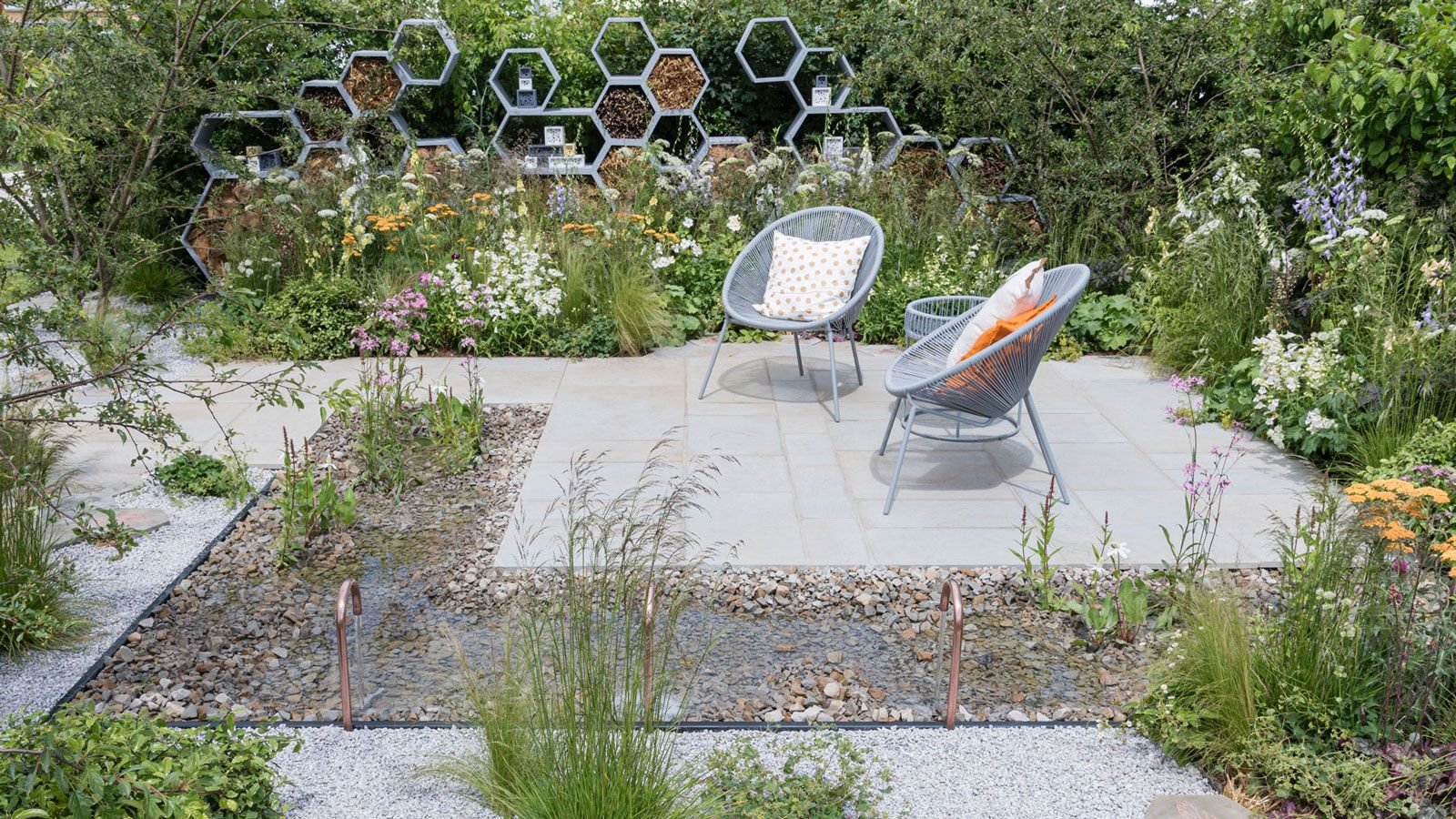
Bamboo cladding gives your fence a fast eco-friendly upgrade. The hollow sticks provide vital habitat for pollinators in your garden, especially if you add an insect hotel too
(Image credit: Neil Hepworth/RHS)
Boosting the biodiversity of your garden has many benefits, including attracting pollinators and other wildlife, conserving water, mitigating heat, and improving soil health. It’s one of the key ways to ensure a climate resilient garden.
‘The best plant palettes today take their cues from local wildlands, including meadows, chaparral, woodland edges, and the high desert of each region, then do something new with those “ingredients,”‘ says Kevin Lenhart, who has seen a 23% year-over-year increase at Yardzen in requests for native planting, pollinator gardens and climate-adapted species.
Another great idea is planting thickets instead of monoculture privacy hedges. Thickets are collections of native shrubs and small tree species growing close to one another. ‘Once a common feature in natural landscapes, they’re now less abundant due to hundreds of years of agriculture and development,’ explains Basil Camu, treecologist, arborist and author of From Wasteland to Wonder: Easy Ways We Can Help Heal Earth in the Sub/Urban Landscape. ‘These ecosystems are essential because they provide food and shelter for wildlife, including insects and birds, and serve as a transition zone between meadows and forests.’
You’ll want a mixture of shrubs and small tree species, according to Basil. Avoid anything that grows taller than around 20 feet, and aim for a minimum width of 10 feet to create sufficient density.

Basil Camu is the co-founder of Leaf & Limb, a nature-first tree and land care company based in Raleigh, NC, and Project Pando, a non-profit that aims to connect people to trees. Leaf & Limb was the first tree service in the world to become a Certified B Corporation and the first to stop offering tree removal services. Basil is a treecologist, ISA Board Certified Master Arborist, and his work has been featured in a variety of outlets, including The New York Times, Harvard, Forbes, and HGTV.
Shop For Wildlife

This wooden multi-compartment shelter provides a safe haven for butterflies, ladybugs, solitary bees, and other beneficial pollinators. Can be hung from a tree, mounted to a wall, or placed on the ground.

Designed for year-round outdoor use, this concrete birdbath resists cracking and weathering due to a protective sealed surface. It provides a much-needed water source for birds and small wildlife.

Encourage your favorite birds to stop by in your backyard, this charming willow bird house offers them a place to rest and snack. Measuring 14 inches by 12 inches, it will work for any size of outdoor space.
Make Your Garden Shadier With Trees

A tree with light and airy branches that shift in the breeze will add dappled shade to your garden
(Image credit: Neil Hepworth/RHS)
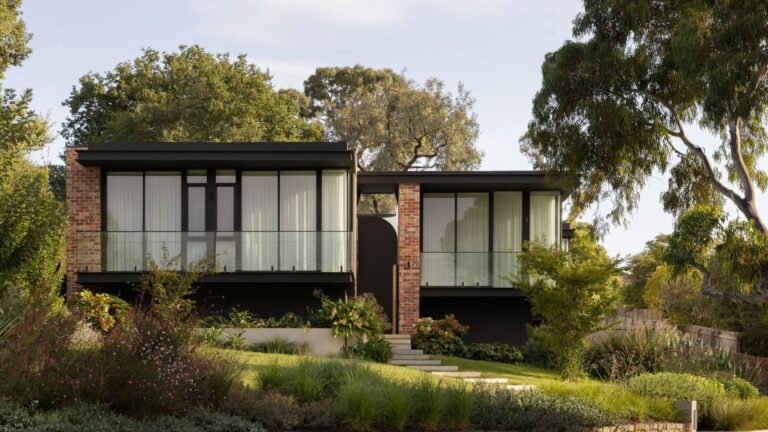
‘Tree canopy and shade structures can significantly reduce surface and air temperatures,’ says Kevin Lenhart. ‘Trees positioned to shade a home can also reduce energy consumption.’
Trees are the single most impactful element you can add to a landscape, according to Kevin. ‘When someone falls in love with a yard, it’s almost always because of a heritage tree. One of the most elegant ways to screen a garden from the sun is dappled shade from a tree canopy.’
Dappled shade is a beautiful addition to any outdoor space and is a wonderfully cooling option too, so it also has a practical purpose in the climate resilient garden. Choose trees like amelanchier, Japanese maples and Eastern redbud. Davey Tree’s research in climate-resilient tree care underscores this shift, using advanced diagnostics and GIS mapping tailored to future climate conditions. See their list of climate facing trees for US Metropolitan Areas for more information on what to plant in your yard.
Think also about pergola ideas, gazebos, and shade sails, which are all good options if you don’t have space for a tree.
Cooling Shade Options

Upgrade your outdoor space with the CikaCika retractable pergola. Built from sleek gray aluminum, it combines modern style with durable, weather-resistant strength.

This sun shade sail is an ideal solution for all-season shading and protection. Blocks intense sunlight and harmful UV rays, while maintaining cooling air circulation.

Zippered gazebo with aluminum frame and UV-resistant canopy top plus privacy curtains. When fully assembled this covers 216 square feet.
Opt For Resilient Layered Planting

Layer up planting to help keep your garden cooler
(Image credit: Neil Hepworth/RHS)
Another key element in the climate resilient garden is layered planting. If you aim for a loose, layered planting style featuring lots of tall ornamental grasses it will help to move air around and keep soil covered and therefore cool. This approach to planting is a key trend right now, helping to transform flat spaces into vibrant ecosystems by copying how plants grow in nature.
‘Layered planting can help protect soil and reduce evaporation by creating more shade at ground level and is better positioned to handle fluctuations in heat, precipitation, and other environmental stresses,’ says Mary Phillips. ‘Incorporating trees, shrubs, flowering perennials, grasses, and ground covers also creates a more complex habitat, and gives wildlife multiple sources of food, shelter, and nesting sites across the seasons.’
There are other practical benefits too. Layered planting contributes to climate resilience by helping to retain soil moisture, capturing stormwater, reducing erosion, and recharging groundwater.
Plan For Both Drought And Flooding By Reducing Hardscaped Areas

Use less hardscaping and break it up into smaller areas
(Image credit: Sarah Cuttle/RHS)
Big areas of hardscaping like patios tend to heat up your garden so it’s not a good choice if your aim is to create a climate resilient garden. Stone, concrete, and paving will absorb heat during the day and release it later, making the garden unbearably hot in the evening. Instead natural materials that reflect rather than absorb heat are your best choice, including light-colored materials such as pale stone and gravel.
There are other advantages to using permeable surfaces and other sustainable garden landscaping ideas such as gravel or brick pavers as they allow rainwater to soak into the ground. Using non-porous materials in hard landscaping increases the amount of rainwater run-off, often causing flooding. To avoid this problem, use permeable paving and keep hard surfaces to a minimum.
‘Adopt water-wise gardening too,’ says Mary Phillips. ‘Healthy soil, organic mulch, choosing drought-tolerant plant species and thoughtful plant placement can all help conserve moisture. Grouping plants with similar water needs together can also make any necessary irrigation much more efficient.’
Garden Irrigation Ideas

This eco-friendly water storage tank holds 26.4gal/100L of rainwater and is super easy to set up. Simply position it under a downspout.

Conserves water while delivering perfect irrigation to each plant, reducing water waste by up to 50% compared to traditional sprinklers.

This ornamental flower-shaped metal downpipe accessory catches rainwater in a gentle cascade and diverts it into a bowl for birds to drink.
Reduce Garden Maintenance With The Latest Innovations

(Image credit: Jacky Hobbs/Future)
‘Gardeners now want a bespoke, future-proof garden, science-backed plant choices, and low-fuss, high-reward gardening experiences,’ says Katie Dubow. ‘This includes use of data-driven tools such as soil tests, climate mapping services, and identification apps.’
A climate-resilient garden is built on observation, but the changes that matter most tend to arrive too slowly to notice, even for the most observant gardener. ‘Technology as simple as a camera pointed at a garden can be a surprisingly valuable source of information,’ says Cameron Hill, creator of Greenlapse.
‘We built Greenlapse to work with cameras gardeners already have in situ, collecting images automatically so you can see how much plants actually grow, where the shade falls each season, and which soil patches never quite dry out. Greenlapse generates seasonal sunlight heat maps that help gardeners make better planting decisions based on which areas get full sun, partial sun, and full shade.’
Another idea is using ‘plant prescriptions’ based on soil tests or ZIP code microclimates, and site-specific plans to invest in resilient, native, drought, fire, flood-adapted varieties for low-input landscaping. Climate resilient gardens are the future

Product management and innovation leader turned founder, Cameron Hill brings a background in AI-powered software products and a conviction that smarter tools can change how people care for their gardens.
One last tip from Mary Phillips. Here are her top 5 choices of plants for a climate resilient garden:
Goldenrod is a drought-tolerant powerhouse, flowering perennial and keystone species that supports a wide range of specialist native bees, butterflies, and other wildlife.
Common serviceberry is a climate-resilient shrub that adapts to a range of growing conditions and provides seasonal food and habitat for wildlife. Its berries are valuable to many birds, while its early spring flowers provide nectar for pollinators.
Side oats grama thrives in hot, dry conditions and poor soils, and an excellent choice for climate-resilient landscapes. It requires little supplemental water and can withstand periods of drought while providing valuable habitat for wildlife.
Butterfly milkweed prefers full sun and well-drained medium to dry soils, and is highly drought-tolerant once established. It provides nectar for pollinators from June to September with clusters of tubular, bright orange blooms.
Frogfruit is a ground cover or lawn alternative that thrives in challenging conditions, prevents erosion, and is highly drought-tolerant once established. It also provides nectar for pollinators from May to November.
If you love inspiring garden ideas, outdoor advice, and the latest news, why not sign up for our newsletter and get the latest features delivered straight to your inbox?