How Long Does It Actually Take To Repair A Roof After Storm Damage?
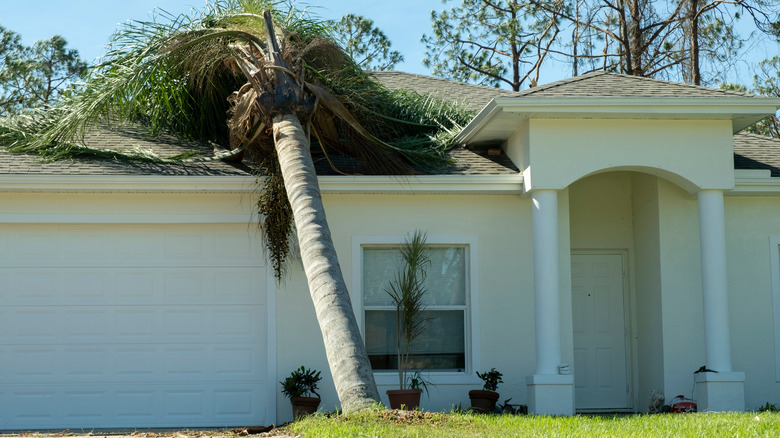
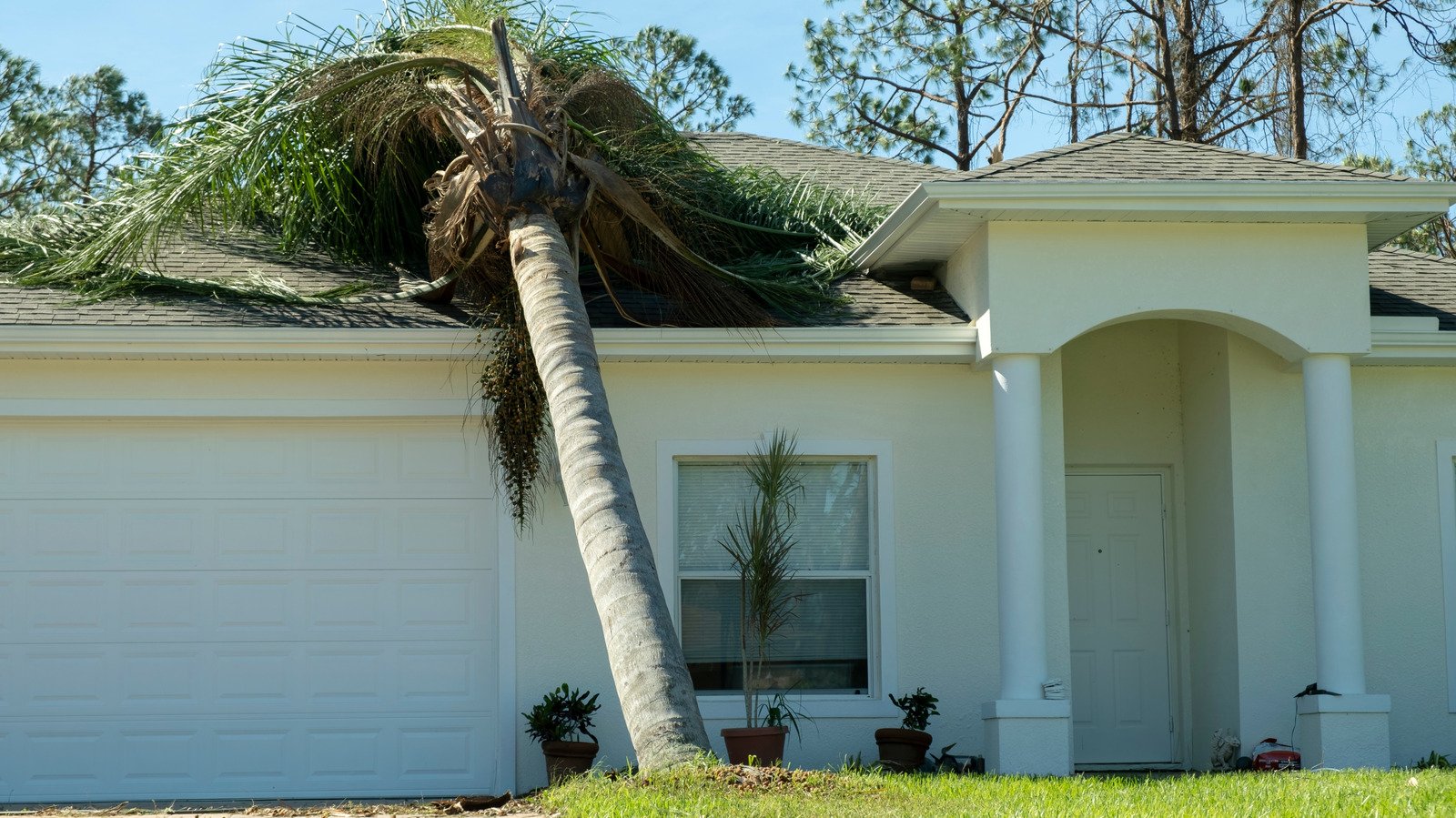
Thunder and lightning is the worst part of terrible weather until you spot your roof’s storm damage the next day. Heavy winds can make your shingles lift or tear the metal flashing around your chimney right off. Hail can erode the shingle granules that add color and protection or dent your gutters and downspouts. Trees can drop branches that puncture your roof, limbs that crush your rafters, or worse. And torrential rain makes it all worse, seeping through loose seals, tears, and weak spots, which leads to moisture buildup, rotting wood, and dangerous mold. Calling a reputable repair company as soon as possible is the right move, but how long it actually takes to repair a roof after storm damage varies widely. The actual roof repairs may take only a few days once they’re under way, but the entire process can take several weeks based on local demand, insurance claim processing timelines, labor and material availability, weather conditions, and the amount of damage your roof sustained.
The first step to repairing a roof after storm damage is finding a reputable company to perform the work. This is one of the most important things you’ll do if your area has experienced a major storm, because unfortunately, it will become a prime target for roofing scams you don’t want to fall for. Avoid storm chasers who show up uninvited and demand upfront payments in favor of local companies with longstanding reputations. Although there are no guarantees in life, this makes it much more likely that you won’t be left high and dry, either during the repair process or if a warranty issue happens down the road.
Local demand and insurance claims can make the repair process take a month or longer
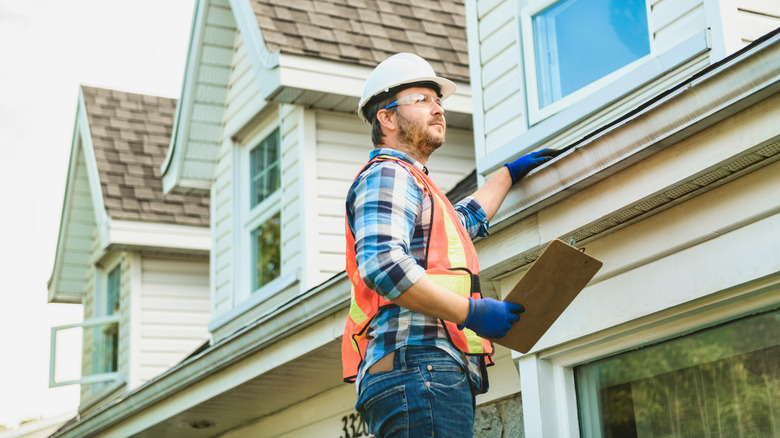
Typically, a roofing company will send someone out in a day or two to inspect the damage and give you a quote for the necessary repairs. That said, if you and dozens of your neighbors are all calling the same contractors for help, expect to wait up to a week before an expert even takes a look. If there’s more bad weather in the forecast, knowing how to tarp a roof can help you avoid even more damage while you’re waiting for your repairs to begin.
It also helps to understand the basics of roofs and roofing materials before having a conversation about costs. While a small repair, like replacing a few shingles, is a straightforward project that typically takes just a few days, hearing words like “rotten decking,” “sheathing deterioration,” or “damaged underlayment” mean you’re probably looking at a more expensive process that also takes longer. Worse yet, if your home’s trusses sustained damage, a roofer probably isn’t the only professional you’ll need. Since trusses are designed to hold up your entire roof under strict building code guidelines, hiring a structural engineer may also be necessary.
A reputable roofing company won’t only help coordinate this repair work. Many will also work with your insurance company to determine if your storm damage is covered. If you’re unable to pay out of pocket, this can add significant time to your repair timeline. According to 2023 data from JD Power, the average claims cycle is 22 days from reporting a claim to finished repairs, and for more complex claims involving multiple payments, it can take over a month.
Material lead times and worker shortages also impact roof repair timelines
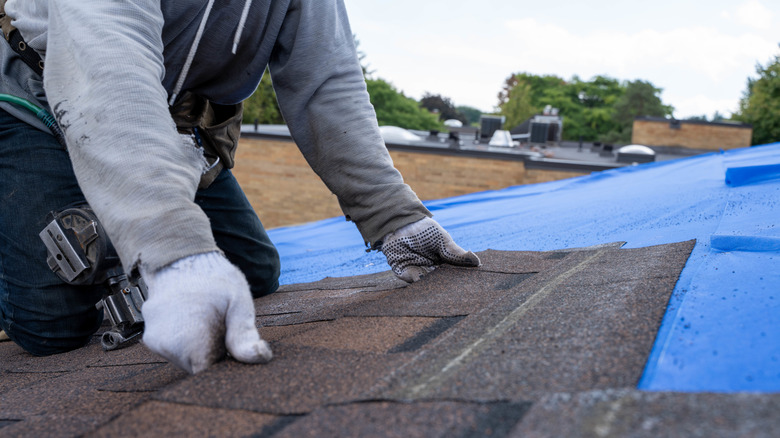
Once you’re under contract for a roof repair, your contractor will order the required materials. Since asphalt shingles are produced domestically, it’s relatively easy and quick to have them on a job site. Wood shingles are trickier, especially when you need them in custom colors to match the rest of an existing roof, with lead times of 30 days or more. Because standing seam metal roofs are rolled and cut-to-order, you can also expect to wait several weeks for it to arrive. (And that’s assuming you can even purchase a piece intended for a small repair.)
Finding materials for a roof repair is one thing. Finding skilled tradespeople to install them is another. The vast majority of roofing companies are experiencing difficulty finding skilled laborers, which can make it harder to get on the schedule for your repairs especially when your neighbors are also in line. Local weather can also cause delays because crews will wait for dry conditions to keep themselves and your home safer. As your repairs get underway, the amount of time it takes to complete them depends on the amount of damage and complexity of the underlying structural repairs. Even fixing a hole in the roof requires removing shingles and underlayment, removing and replacing rotten decking, and installing new materials. This can take anywhere from a few hours to an entire day. But if your damage requires significant structural repairs or covers a larger area, and involves replacing nearby drip-edges or downspouts, expect the process to last between a few days to a week or more.