7 Fruit Trees That Thrive on Neglect for Easy Plants
After years of working in gardens across Britain and Italy, I have developed a real appreciation for plants that quietly get on with the job. I think often about the old fruit trees I cared for in Tuscany: gnarled figs growing on dry stone terraces, pomegranates thriving in enormous terracotta pots and persimmons that had seemingly been left to their own devices for decades. Never fussed over, rarely watered and certainly never fertilized .
Of course, no fruit tree is completely maintenance free. All trees in our yards benefit from careful watering during the first few years, while establishing a healthy root system, and the occasional prune or feed will always improve growth and harvests. But some species are naturally resilient and tough, shrugging off drought, poor soils and periods of neglect.
So, if you are looking for resilient trees that quietly reward you with delicious harvests year after year, to plant alongside perennials you can plant once and ignore, these are seven of my favourite fruit trees that thrive on neglect. One of my favorites from this list is the olive, and I’ve found a perfect Arbequina olive variety from Fast Growing Trees.
Latest Videos FromHomes and Gardens
1. Fig

(Image credit: Alamy)
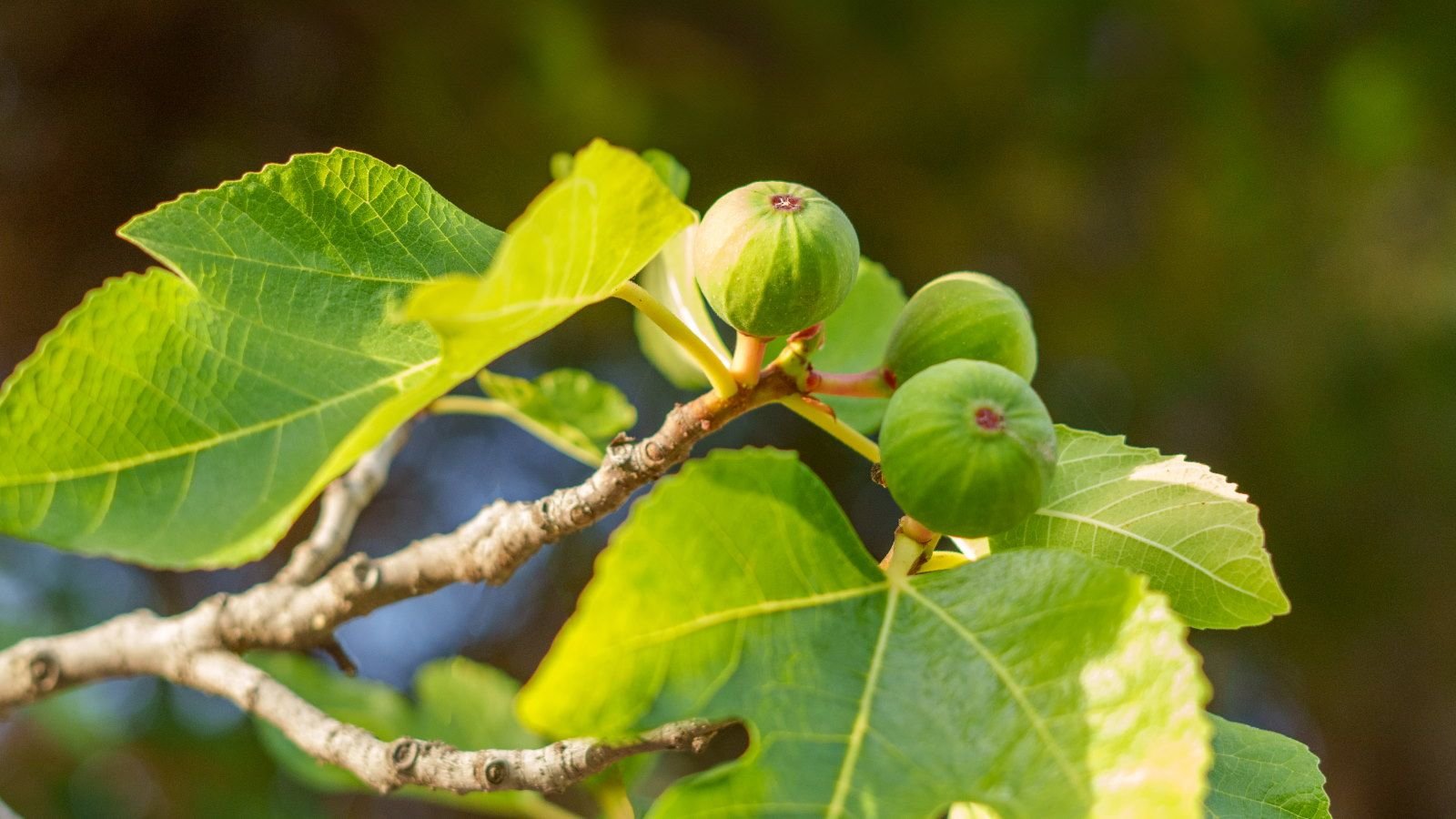
If anyone asks me to recommend a fruit tree for a busy gardener, I almost always say fig. Native to the Mediterranean and western Asia, figs are wonderfully resilient once established, tolerating drought, poor soils and long, hot summers with remarkably little intervention.
In my family’s garden in South Wales, our ‘Brown Turkey’ has quietly got on for years, asking for little more than a sunny position and well-drained soil. I grew this from a small cutting in 2022, and today, it stands at about five feet.
Live ‘Brown Turkey’ fig trees are available to order now from Amazon.
Hardy down to US zone 7, figs perform best in full sun and reward even a modest amount of care with sweet fruit in late summer.
Deep watering during prolonged drought will improve fruit production, but otherwise, figs are happiest when left largely alone. Just avoid heavy, waterlogged soils, which they dislike far more than dry conditions.
2. Persimmon

(Image credit: DigiPub via Getty Images)
In Tuscany, we had several old persimmon trees growing at the back of the property, tucked amongst vines and wildflowers, and, despite years of apparent neglect, they produced heavy crops every fall.
They were never watered, never fed and were rarely pruned. We simply waited until November, picked the glowing (almost fluorescent) orange fruits and let them finish ripening indoors.
Hardy from US zones 7 to 10, persimmons are remarkably resilient once established. Their deep root systems help them cope with dry summers. They perform best in full sun but will also tolerate a little afternoon shade in warmer regions.
If you are looking for the easiest option, self-fertile varieties such as ‘Fuyu’, available now at Perfect Plants and sold via Amazon, are a good place to start.
3. Pomegranate

(Image credit: Getty Images/© 2011 Staci Kennelly)
Native to regions stretching from the Middle East through the Mediterranean, pomegranates are hardy in US zones 7 to 10 and thrive in full sun.
Once established, they are impressively drought tolerant (I have grown them in baking courtyards in large terracotta pots), making them one of the easiest fruit trees for gardeners in warmer climates. They ask for very little beyond free-draining soil and plenty of sunshine.
During the first year or two, regular deep watering will help young trees establish strong roots. After that, they can largely fend for themselves, needing only the occasional light prune to remove dead or congested branches. If you are gardening in a colder region (like Illinois or Oregon), dwarf varieties also grow well in large containers and can be moved somewhere sheltered during severe winter cold.
Pomegranate live starter plants are available to order from Walmart.
What to Shop

The Felco F2 pruning shears are loved by gardeners for their high quality and longevity, ideal for trimming trees and shrubs in the yard.

Fig trees are reliable and tough edible options for any level of gardener. Just be sure to give them plenty of sun for the best results.

The Ethical Gardener, by Thomas Rutter, includes tips the on edible hedges, fruit trees and how to make a food forest in your back yard.
4. Olive

(Image credit: Rowan Jackson / Alamy Stock Photo)
Anyone who has grown an olive tree will know just how resilient they really are. I have seen them clinging to rocky hillsides in Italy and Greece, enduring months of baking sunshine with barely a drop of rain, but I have also seen them thrive in sheltered London courtyards, where summers are far more mild and winters much wetter. In my opinion, they are remarkably adaptable once established.
Live olive trees can be ordered today via Amazon.
Hardy in roughly US zones 8, 9 and 10 (although you might get away with growing one in zone 7 in a sheltered yard), olives perform best in full sun and well-drained soil. Their distinctive silver-green foliage is more than just attractive; it reflects sunlight, helping to reduce water loss and making olives particularly well suited to hotter summers.
Beyond removing the occasional dead branch or unwanted sucker from the base, olives require very little attention. In fact, they often look better with a little age and character. Who doesn’t love seeing those gnarled, ancient trees on vacation during the summer?
5. Mulberry

(Image credit: Berk Ucak / Getty Images)
I once looked after a magnificent old mulberry specimen in a Welsh garden, growing at the bottom of a damp valley beside a stream. Beyond the occasional deep watering during exceptionally hot summers, we did almost nothing to it. Every year, however, it rewarded us with handfuls of sweet fruit that were eaten straight off the branch.
You can find mulberry trees at Plant Addicts.
Hardy in US zones 4 to 8, mulberries are wonderfully resilient once established. Dwarf cultivars also grow well in containers, making them a good choice for smaller gardens and patios.
One thing to bear in mind is the species you choose. Native red mulberry (Morus rubra) is an excellent option, whereas white mulberry (Morus alba) is considered invasive in parts of the US.
6. Pawpaw

(Image credit: blickwinkel / Alamy Stock Photo)
Native to woodlands across the eastern United States, the pawpaw tree is an ideal choice for gardeners who want unusual fruit without the hard work.
Live pawpaw trees can be ordered at Walmart.
Hardy down to US zones 5, pawpaw grows happily in full sun or light shade, although younger trees appreciate some protection from intense afternoon sunshine during their first few years. The broad, tropical-looking leaves can reach almost a foot long, turning a rich golden yellow in fall, while the curious maroon flowers are followed by mango-like fruits.
Give your tree a good start with fertile, well-drained soil and regular watering while it establishes. Beyond that, after the first few years, the pawpaw is one of the best fruit trees that thrive on neglect.
7. Jujube

(Image credit: Getty Images/Andrii Zorii)
The jujube is one of the toughest fruit trees you can grow, thriving in hot, dry summers while shrugging off winter cold. Live jujube trees can be ordered from Amazon.
Hardy in US zones 6 to 10, jujubes perform best in full sun and free-draining soil (even tolerating sand). They are naturally resistant to most pests and diseases, require very little pruning, and produce sweet fruits that ripen from green to rich reddish-brown.
Give your tree regular watering during its first year or two while the roots establish. Beyond that, jujubes are wonderfully self-sufficient.
For more inspiration, check out our guide to the toughest shrubs that thrive on neglect, and fill your yard with resilient species this year.
If you love inspiring garden ideas, outdoor advice, and the latest news, why not sign up for our newsletter and get the latest features delivered straight to your inbox?