Spokane Fires Burned a Path of Devastation. Experts Say Get Used to It
It didn’t have to be Spokane. A fast-moving wildfire could sweep into the suburbs of any one of hundreds of cities across the United States.
It’s happening with increasing frequency. Paradise. Marshall. Lahaina. Los Angeles.
This time it was Spokane, Washington, but scientists warn it will happen again.
It’s a pattern that has become “uncomfortably familiar” in recent years, throughout the West and in other parts of the world, said Daniel Swain, a climate scientist with the University of California Agriculture and Natural Resources.
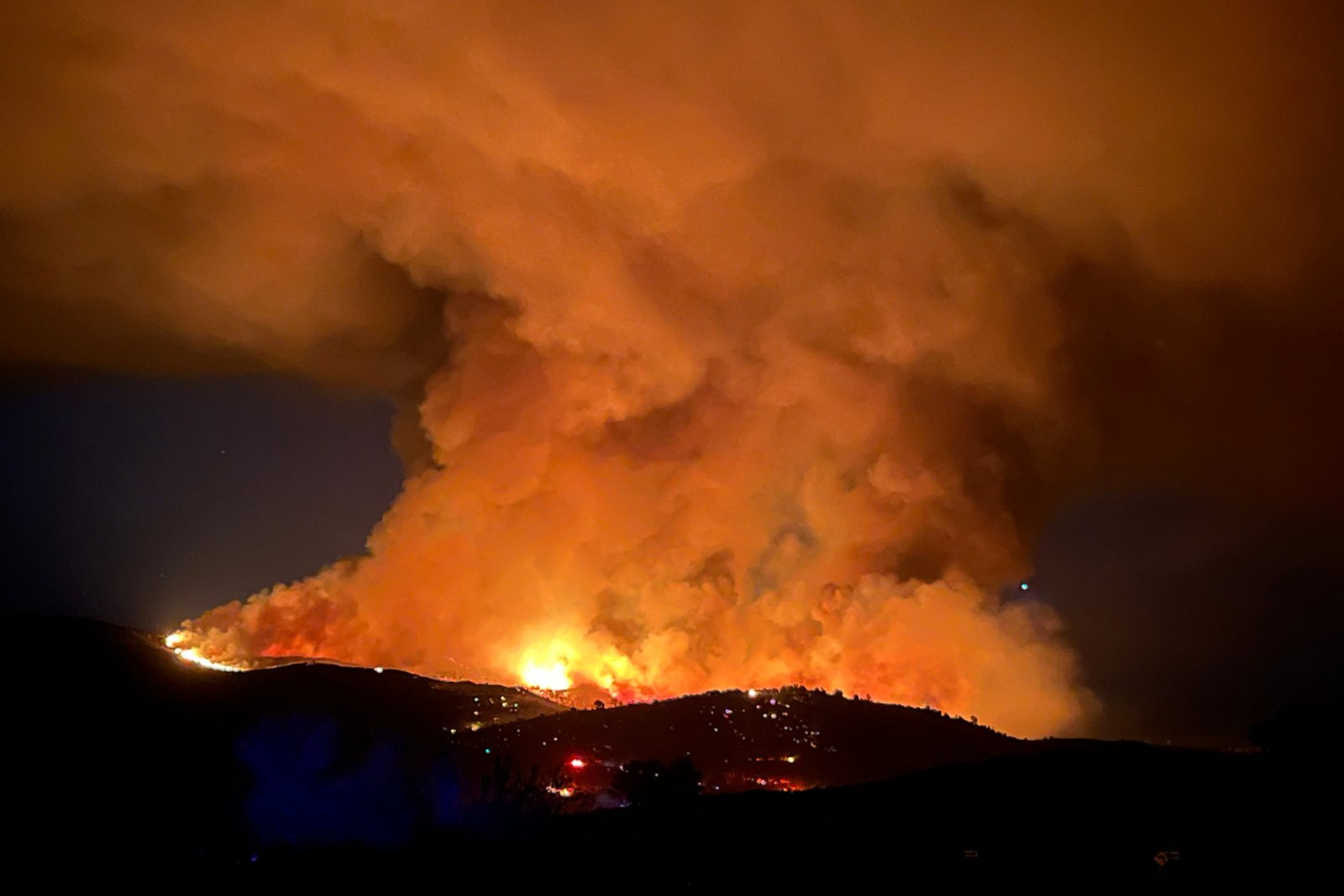
Although Spokane’s trio of fires isn’t anywhere near the largest in Washington this year, they are the most destructive. More than 10,000 acres have been burned, and more than 700 structures, including homes, businesses and outbuildings, have been lost. An estimated 65,000 people have been forced to flee their homes.
The three fires started Aug. 1 and spread quickly, displaying the kind of extreme wildfire behavior that experienced wildland firefighters say they see far more often now than they did 20 years ago. They have warned for years that fire conditions are changing.
In the Pacific Northwest, where more than half the uncontained fires are burning, dangerous conditions were expected to return Aug. 7-8, with hot temperatures and dry, gusty winds like those that helped spread the Spokane fires. Though most of the fires in Oregon and Washington have been attributed to natural causes, one suspect has been charged with arson in the Old Trails fire in Spokane.
“Hot, dry, and windy in the short term seems to always be the familiar trigger and also pre-existing severe to extreme drought,” Swain said in a briefing on his Weather West page. “We just have been seeing that pattern unfold over and over and over again.”
House after house, block after block, devastation is “a recurring pattern we’re seeing … starting in the second decade of the 21st century and now continuing essentially every year,” Swain said.
When fires burn the first house on the edge of a subdivision and the flames start spreading from house to house, it’s no longer a wildfire, said Bobbie Scopa, a retired fire operations chief, author and host of the Bobbi on Fire podcast. It’s an “urban conflagration.”
A U.S. Geological Survey study released in December 2025 analyzed fires that destroyed 10 or more structures in the nation in the years 2002 to 2022. Half those fires occurred over the most recent seven years. Of the more than 98 fires that destroyed more than 100 homes, two-thirds hit over that seven years.
The question is: When will the next fire reach a vulnerable community at the moment when weather and climate conditions are at their worst?
On Aug. 6, firefighters were working to control 86 uncontained large fires in 14 states, according to the National Interagency Fire Center. A day earlier, 100 new wildfires were reported across the country.
Large Fires Are on the Rise
In the early years of her 44-year firefighting career, Scopa remembers a boss on a 12,000-acre blaze telling her she might never see a fire that large again.
“Now a 12,000-acre fire doesn’t even raise an eyebrow,” Scopa told USA TODAY. “Huge, fast-moving fires happen all the time now, whereas in the old days, they happened very, very seldom.”
Fire seasons are longer and wildfires start earlier, Scopa said, which means they can burn longer and grow larger. Fuel for the flames dries out, and that leads to more extreme fire behavior, which leads to bigger fires.
The longer, more active fire seasons don’t just affect those who live in the path of the flames. Heavy plumes of smoke, like those seen in the Northwest in early August, carry the consequences of large fires well beyond their marked perimeters.
One recent study found that wildfire emissions have increased so much they have erased some of the progress made in recent decades on ozone levels. A study for the Society of Actuaries found that pollutants in wildfire smoke may contribute to illness months or even years after initial exposure.
Is Climate Change to Blame?
Dozens of the major fires are burning in the Northwest after a record-breaking snow drought that wouldn’t have been as intense or lasted as long without climate change, said Jennifer Marlon, a senior research scientist at the Yale School of the Environment.
To be clear, the fires can’t be solely blamed on any one thing, Marlon said. A combination of factors leads to catastrophic fires, including natural weather events, climate change and the increasing exposure and vulnerability of people and buildings in harm’s way.
Fire seasons are longer and droughts are more intense, Marlon said. Growing numbers of people are moving into woodsy areas, and people and their communities are more vulnerable and not as fire-resilient as they need to be, she said.
“We can’t say that every event is affected by climate change,” Marlon said. But increasingly, studies show climate change is playing a role in intensifying natural weather events.
“I think of climate change as an amplifier of what would have occurred anyway,” she said. “The Spokane fires may have occurred regardless of climate change, but it almost certainly would not have become as severe and grew as quickly and been as catastrophic if the vegetation wasn’t as dry as it was.
“It’s becoming really, really obvious that the planet is warming and that we are causing it and we have to do something about it. Not talking about climate change is very dangerous.”
Can Communities Prepare?
A suite of questions related to fighting wildfires need to be addressed, including forest management policies, wildfire fighting strategies, and staffing and funding, Scopa said.
For people in fire-prone areas, steps can be taken to help protect their own lives and properties. That includes strategies such as roof and gutter maintenance and keeping fire-prone greenery, shrubs and mulch away from the home.
But even the best-protected home can be consumed by conflagrations and huge fires.
The problem “isn’t just climate change,” Swain said. “It’s different combinations of all of these things, in different places to different degrees. And by ignoring any of them, we’re ignoring an important part of the problem.”