Khanna to introduce ‘Data Center Bill of Rights’ in AI power plants fight
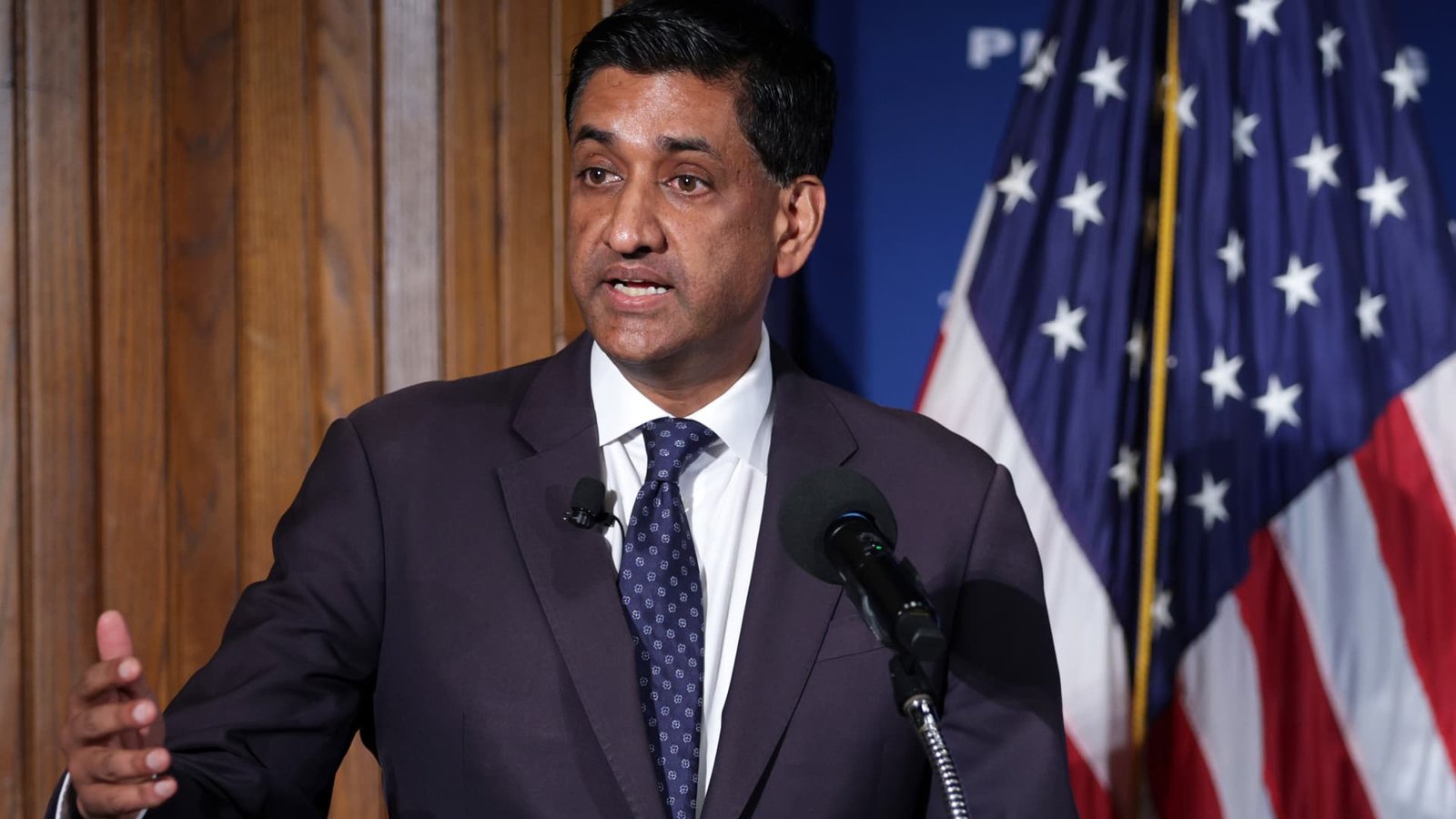
U.S. Rep. Ro Khanna, D-Calif., speaks during a National Press Club Headliners Newsmaker event in Washington, April 14, 2026.
Alex Wong | Getty Images
Rep. Ro Khanna is introducing what he calls a “data center bill of rights” as voters nationwide recoil from potential utility rate hikes by the facilities that power artificial intelligence.
Khanna, D-Calif., who is widely expected to run for president in 2028, said the resolution would give local communities “the right to say no” to data centers. Khanna recently traveled to Pennsylvania, where he said he heard feedback on data centers.
“The biggest feedback I heard was in opposition to these data centers across the state,” he told CNBC. “We need a data center bill of rights where communities don’t have these data centers shoved down their throat, where they can stand up and say no and where they can make sure these aren’t going in farmland or residential communities.”
The resolution, shared exclusively with CNBC, would establish a set of rights for local communities to reject data center construction. It comes amid a crush of other legislative efforts to slow data center development over concerns they will add to the already high cost of living.
Those authorities Khanna proposes include empowering communities to bar data centers from being built within 2,500 feet of homes, schools, childcare facilities, hospitals or nursing homes; ensuring the ability to reject any proposed data center through a transparent community process; and maintaining a state’s ability to adopt statewide pauses on new data centers until the state approves protections that stop ratepayers from rising electricity bills and prevent the draining of local water supplies.
Several states, including New York, have already implemented moratoriums on data centers.
The resolution would also preserve the ability of communities and municipalities to regulate data center development without being preempted states, require data centers to use clean and reliable energy and meets pollution limits and allow communities to demand utility bills do not increase.
Data centers face a political reckoning across the U.S. ahead of the midterm elections, which will determine who controls Congress for the remainder of President Donald Trump‘s term. The buildings —critical to the AI boom driving intense investment — have repelled voters due to their massive energy and water demand.
Data center opponents have also recently won big at the polls. Michigan Democratic Senate candidate Abdul El-Sayed, who won a competitive primary Tuesday and was endorsed by Khanna, has supported state and local moratoriums on data centers unless federal guardrails are in place.
Khanna, who represents Silicon Valley, said the hyperscalers building data centers are “losing the country.