Floor-crossing reveals character flaws in our politics and makes us all a little more cynical
Floor-crossing reveals character flaws in our politics and makes us all a little more cynical
beng
EST. READ TIME 3 MIN.
I’ve always believed that politics, like sports, doesn’t build character. It reveals it. There’s a fantasy shared by many of those who seek elected office. A comforting story that is an obvious self-delusion—it was them, their intelligence, hard work, determination, that is the sole reason for their electoral success.
It’s simply not true. And when a politician has fallen out of favour with their party and wishes to join another party, they should be required to step down and run in a byelection or sit as an independent until the next election. It’s the only way to respect the voters and the tenuous hold we have on what faith remains in our politics and politicians.
Winning an election is not a solo sport. It’s the difference between finishing your morning Wordle versus winning the Stanley Cup. One was done alone, the other is only accomplished with others. How an elected person treats their victory says a great deal about their character.
While this may be true of anyone who has some measure of success (a delusion that their wins were won entirely by themselves—that circumstance, the support of others, had little to do with it). But in the hands of the elected class, it’s a dangerous self-delusion from which a whole series of bad decisions and disconnected thinking is born.
When a Member of Parliament decides to leave the party, leader and platform they were elected on to join another party, the arguments are familiar. “I’m not leaving my party, it left me,” or “the times/country/current crisis demands this of me.”
These rationalizations are not as weak as the “spending more time with the family” when a politician is ejected from public life due to a scandal. But they rhyme.
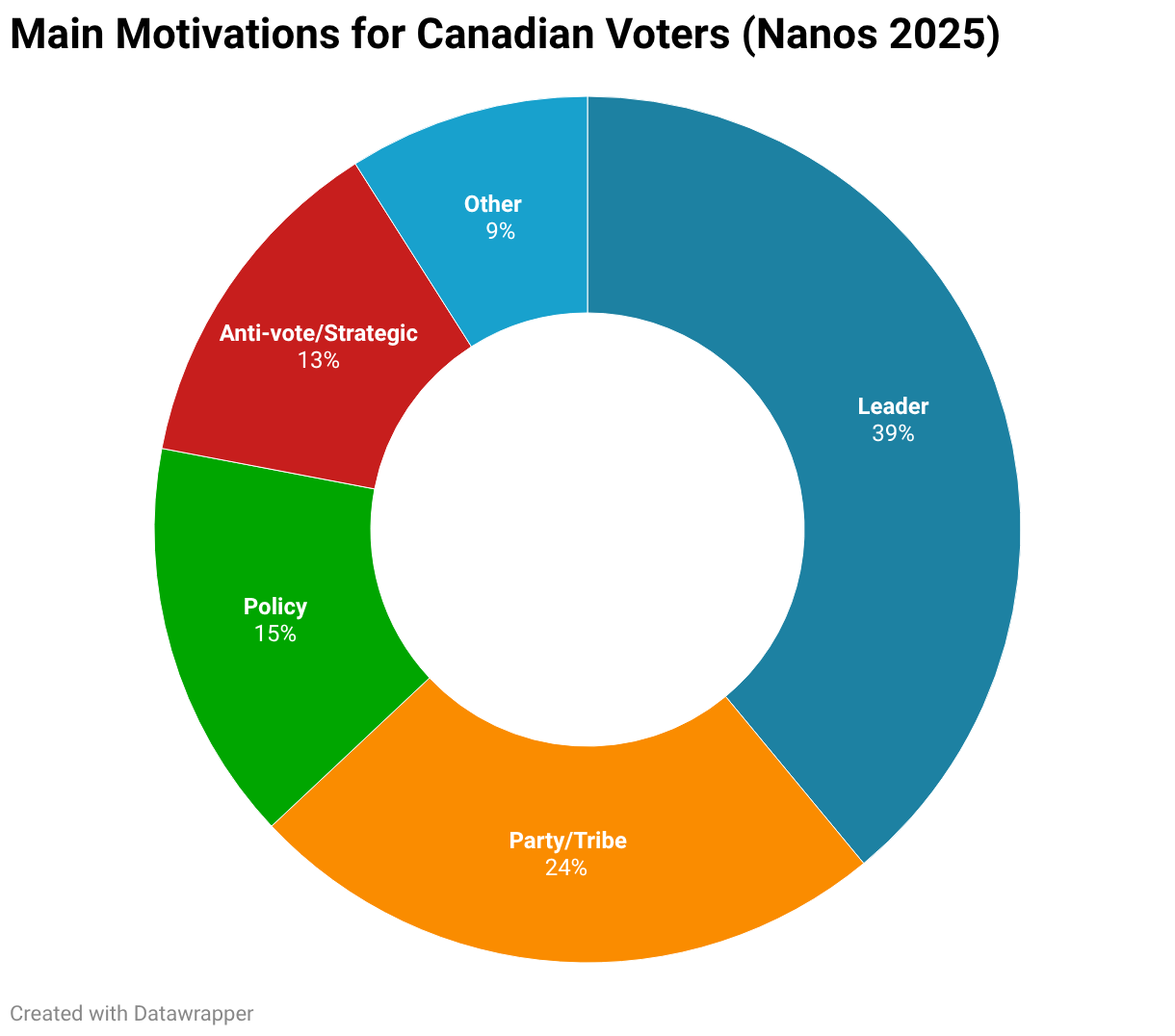
Let’s put truth to this lie. The overwhelming reason anyone is elected to provincial or federal office is largely due to party affiliation, the party leader, an issue or a voter’s effort to stop someone else from winning. What percentage of voters decide their vote on the candidate? 6 per cent. Ouch.
We ask for a lot from those who we elect. Humble, confident, hard working, and that they don’t lie, cheat or steal. Admittedly, this is a diverse and unrealized character set in most. But it’s good to have goals.
Again, anyone seeking to leave the party, platform and/or leader that got them elected should sit as independent until the next election or resign their seat and run in a byelection.
This has been the situation in New Zealand for several years. The so-called “Waka (canoe) jumping” model. And is very popular in Canada when Canadians are asked. A strong majority (62 per cent) according to a 2025 Ipsos Reid poll said that MPs should not be able to cross at all and a higher number (69 per cent) wanted an immediate byelection if it happened in their riding.
It’s hard to read the label from inside the pill bottle. Politicians who live in a world of threats and opportunities, a social media sea of misinformation and a steady erosion of public trust must try and remember their first thoughts of running for public office—to serve. Not their own ambitions solely but those of the communities they live in. If they want to fundamentally change the offer they made to those Canadians, they should go back to their bosses and confirm their mandate. In a time of deepening cynicism, such principle and integrity would be a breath of fresh air.

By: