5 Design Lessons for London Homes From the Mediterranean
Sun-soaked beaches, olive oil-drenched bread, and a relaxed, slow pace to life — there’s plenty about the Mediterranean we’d like to bring to the UK. But while we can’t offer any advice on how to swap out your backyard for an Italian vineyard, we can give you the next best thing.
Or, rather, Murude Katipoglu can. Born and raised in Cyprus, this London-based interior designer has found a way to infuse a touch of Mediterranean style into every home she designs, no matter the location. Having grown up surrounded by the culture and style we all desperately hope to replicate in our own homes, for Murude, this style is embedded in her identity. Her designs are inextricably linked to the visual culture of the Mediterranean, constantly drawing on the materials and colors she grew up seeing.
“Growing up in Cyprus, Mediterranean living has naturally influenced the way I approach design. I like creating spaces that feel warm and contribute to a sense of calm,” says Murude Katipoglu. From the colors to the materials, Murude has shared the five tips and techniques she turns to time and time again when bringing the Mediterranean aesthetic to London homes.
Latest Videos FromLivingetc
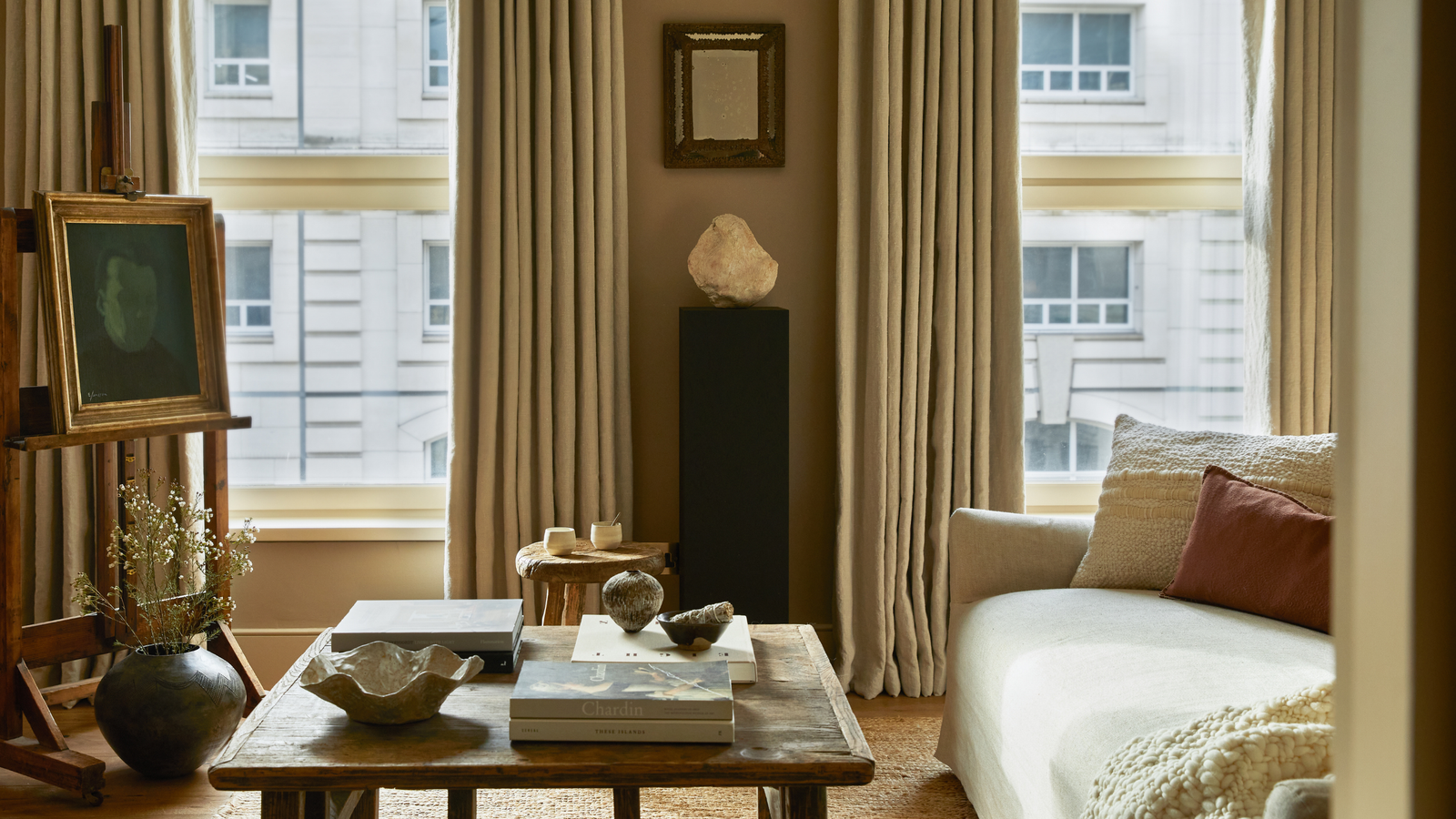
1. Keep the Color Palette Neutral, but Earthy

“I love the combination of earthy brown tones, alongside silvery greens and sun-bleached stone hues,” says Murude.
(Image credit: Helen Cathcart. Design: Murude.)
It’s no secret that earthy color palettes are in style; they’ve practically become the new neutrals for many of us. And so much of their appeal comes from the warm, laid-back vibe they bring to a home, which just so happens to make them the perfect choice for Mediterranean-inspired homes.
“I gravitate towards earthy, sun-washed tones inspired by the Mediterranean landscape,” explains Murude, listing “warm whites, soft limestone, sand, rusty terracottas, olive greens, and muted browns, with occasional accents of deep sea blues.”
So often with design, especially with this style, there is no greater place to turn for inspiration than nature. The colors that naturally occur out in the world are the ones that will bring that grounded, comforting warmth into your home.
When designing a room, Murude says to “Keep the color palette soft and earthy.” Start with a light, neutral base, and build from there, adding layers of warm, earthy tones on top.

Farrow & Ball
Faded Terracotta
Embrace the soft hues of sun-baked clay with this pale, orange paint.

Farrow & Ball
Stone White
A brilliant alternative to white for Mediterranean homes, the green undertone of this paint makes it more intriguing than the average neutral.

Farrow & Ball
Setting Plaster
A yellow-tinged pink, Setting Plaster replicates the soft pink hue of freshly plastered walls.
2. Prioritize Textured, Natural Materials

Warm, textured timber brings so much character and depth to this dining room.
(Image credit: Helen Cathcart. Design: Murude)
As the first tip suggests, nature plays a crucial role in this design style, and that’s just as present when it comes to materials as it is for the color palettes.
“For me, natural materials are never just aesthetic choices; they’re about creating spaces that feel grounded and timeless,” explains Murude. Natural stone, marble, and timber form the building blocks for so many of Murude’s designs, providing the texture, warmth, and atmosphere that is impossible to replicate with artificial materials. Stone flooring provides a base to work from, while wooden furniture and marble home accessories help to build on this material palette.
The materials bring a permanence to your design, making your home feel truly timeless rather than trend-led. “These finishes age beautifully over time, adding depth and character rather than striving for perfection,” explains Murude.

Soho Home
Anderson Marble Décor Sculpture
This hand-carved marble sculpture is exactly the kind of natural, textural element your living room needs.

Gallery Direct
Gallery Direct Vermont Marble Coffee Table, Black
This beautiful green, marble coffee table is a statement piece, though its earthy tones feel muted and welcoming.

Soho Home
Calne Dining Table
Decorated with rich knots and veins of natural wood, this wooden dining table has a lovely rustic finish.
3. Blur the Boundaries of Indoors and Outdoors

Positioning taller plants by glass doors helps to accentuate this indoor-outdoor effect.
(Image credit: Ben Anders. Design: Murude)
Partly in response to the warmer weather conditions, many Mediterranean homes can be characterized by that gorgeous indoor-outdoor living style, with rooms that flow seamlessly into the outdoors.
Unfortunately, back in the UK, that blurring of boundaries isn’t quite so feasible, unless you want a constantly rain-soaked sofa, of course. But, Murude says, although we may not be able to physically recreate this in our UK homes, “we can capture the feeling.”
There are a few ways to do this. Of course, a healthy amount of houseplants is a good place to start, especially if you choose a particularly Mediterranean species, like an olive tree. Making the most of your natural light is also key, says Murude, suggesting you “use sheer neutral curtains where possible, antique mirrors, and a restrained palette to make the most of natural daylight and create an airy feel.”
Decorating with sheer curtains is an effortless way to elevate your space, while harnessing the warmth and softness of diffused sunlight.

I love the look of an indoor olive plant, they make beautiful additions to an entryway, or dining room.

Biscottini
Terracotta Pot
Display your plants in true Mediterranean style with this lovely terracotta pot.

M&S
Cotton Linen Blend Sheer Multiway Curtains
Let the light spill into your home with lovely, light linen curtains.
4. Build Character With Vintage Finds

Combining antique finds with new, trendier pieces makes for a layered, eclectic finish.
(Image credit: Ben Anders. Design: Murude)
So much of what we love about Mediterranean homes is the character and personality they carry, and essential to creating that sense of character is a healthy dose of aged, vintage furniture and decor pieces.
Of course, it’s perfectly possible to create a gorgeous-looking space using solely new finds, but as sleek and stylish as it may look, there will always be a touch of depth missing from these spaces. Which is exactly why Murude says knowing how to thrift for antique pieces is so important for this style: “I always look to bring in vintage and collected pieces where I can, to give a space a layered, lived-in quality.”
A mix of new and old is exactly what makes a house feel like a home, bringing a sense of humanity that can be missing from new-build designs.
“I’m drawn to homes that feel warm, relaxed, and evolved over time, rather than perfectly finished or overly minimal,” explains Murude. Adding, “For me, a home should have soul, patina, and a sense of memory, even if those memories are newly created.”

Retrogrande
Objet De Curiosité Iron Bottle Set of 2
These beautiful 1960s rusted iron bottles would look gorgeous displayed in a living room.

ragandboneinteriors
Large Antique French Glazed Terracotta Pottery Olive Oil Jar
Rustic and richly textured, this terracotta vase dates back to the 19th century.

TheShabbyCottageICT
Vintage Alabaster Italian Compote | Huge and Heavy Compote
This generously sized vintage alabaster bowl would look striking on an entryway console table.
5. Exercise Some Restraint in Your Design

Your walls don’t need to be covered in art for your home to look decorated, understanding the importance of quality over quantity is crucial to this style.
(Image credit: Helen Cathcart. Design: Murude)
While there is a time and place for maximalism in design, a Mediterranean-inspired space is not it. In fact, to the contrary, according to Murude, the key to perfecting this style lies, in part, in the ability to restrain yourself.
This can take various forms, too. In the way you decorate, Murude suggests, “Embrace texture over decoration. Limewashed plastered walls, woven fabrics, handcrafted ceramics, and natural fibers create interest without feeling overly styled.”
With furniture, too, it’s best to adopt a less-is-more approach. “Invest in timeless pieces. Rather than filling a room, choose beautifully crafted furniture, statement lighting, and objects with character that will only become more beautiful with age.”
The only logical accompaniment to a Mediterranean-inspired home is, of course, a Mediterranean garden to match, and our experts have all the tips on how to achieve the look.
For more design tips from the experts, subscribe to our newsletter.