Jeff Bezos once warned Amazon might only last 30 years. At 31, it’s the biggest company in the world
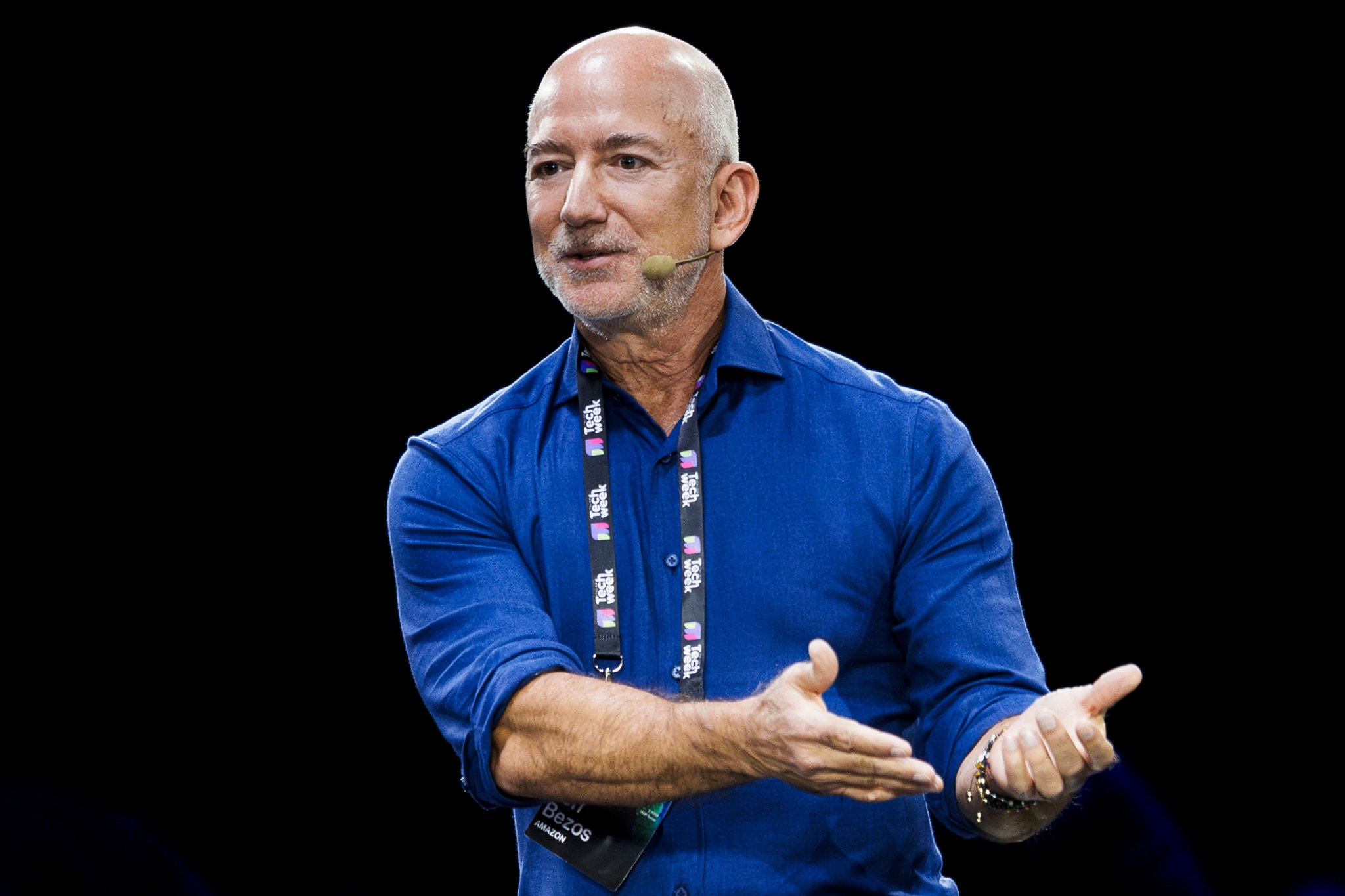
Amazon is now the world’s biggest company, but its founder once doubted the business would survive.
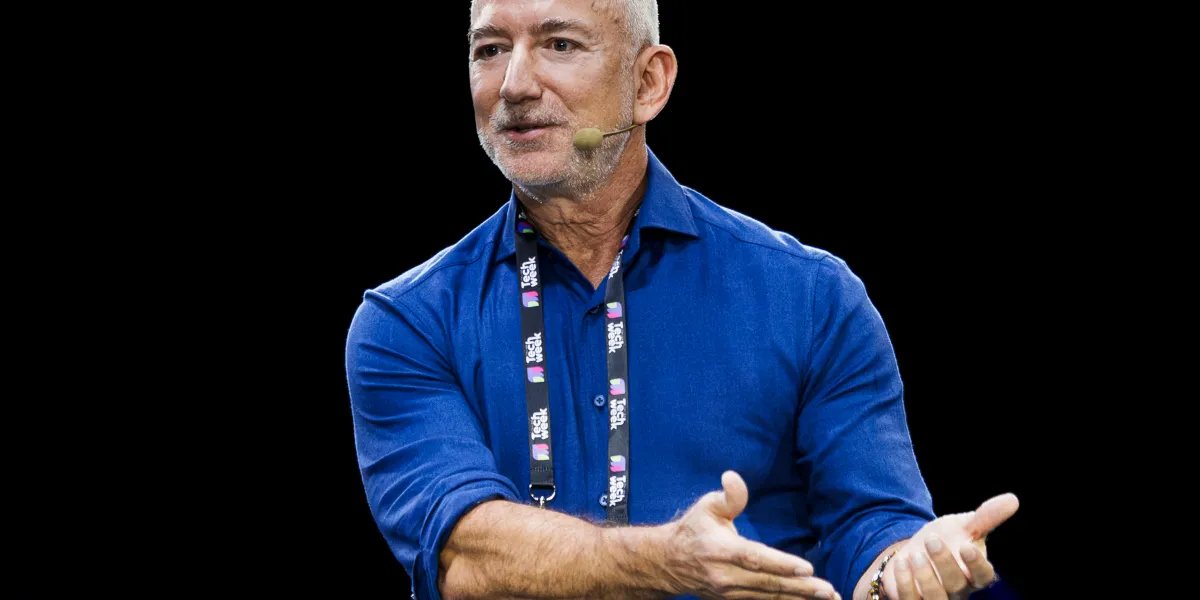
“Amazon is not too big to fail,” then-CEO Jeff Bezos reportedly told employees in a 2018 all-hands meeting. “In fact, I predict one day Amazon will fail. Amazon will go bankrupt. If you look at large companies, their lifespans tend to be 30-plus years, not a hundred-plus years.”
Bezos’s warning wasn’t a prediction of imminent collapse, but instead an opportunity to distill his business philosophy. To stave off the inevitable demise “for as long as possible,” Bezos argued an obsessive focus on customer satisfaction was key. At the time, Amazon had just crossed a $1 trillion market cap for the first time, and faced fierce competition from Walmart, Target, and eBay.
Eight years later, Amazon now sits atop the Fortune Global 500 for the first time, overtaking Walmart to become the world’s largest company by revenue. The milestone follows another historic first: Just last month, Amazon snapped Walmart’s 13-year streak at No. 1 on the Fortune 500, ranking the largest companies in the U.S.
The e-commerce giant had seen a steady rise in revenue over the years, but had yet to officially snap its competitor’s streak. But in February, Amazon reported $716.9 billion in revenue for 2025, beating Walmart by more than $3 billion. Its market capitalization has surged to roughly $2.5 trillion, more than doubling since Bezos issued his warning. He recently admitted the new title wasn’t “a complete surprise.”
“A lot of companies will tell you they’re customer-obsessed, but they’re really competitor-obsessed,” Bezos told Editorial Director Kristin Stoller for the latest issue of Fortune magazine. “You can’t be customer-obsessed unless you love inventing.”
From Cadabra to Amazon
Like many startup stories, Amazon’s origins were small and scrappy.
In 1994, Bezos left a Wall Street career and moved to Bellevue, Wash., to build his new business idea: an online bookstore called Cadabra, short for “abracadabra.” Worried that Cadabra sounded too much like “cadaver,” Bezos quickly rebranded the startup as Amazon, after the earth’s largest river, a name that captured his ambition to build the largest online bookstore.
After spending months working out of the garage of a home he rented, meeting with angel investors, and receiving many noes, Bezos raised his first $1 million in seed capital. The store officially launched a year later.
“I had to take 60 meetings,” Bezos said at the New York Times Dealbook Summit in 2024. “It was the hardest thing I’ve ever done.”
Amazon turned 31 earlier this month, crossing the 30-year warning zone Bezos cautioned against, but getting to this point was no easy feat. Even with financial backing, Amazon took years to turn a profit. Nearly a decade after its launch, 2003 marked the company’s first full fiscal year with net positive income with $35 million in earnings.
Amazon’s leadership principles
To scale the company, Bezos embedded his now-famous leadership principles into Amazon’s culture that continue to shape decisions, hiring, and strategy.
When Andy Jassy succeeded him as CEO in 2021, he kept that framework intact.
“We have a set of leadership principles, the 16 Leadership Principles, that we carefully have crafted and recrafted over the years,” Jaddy told Fortune in 2024, noting those philosophies also underpin the company’s push to improve the customer experience with AI.
“We started in a garage, but we’re not there anymore,” says Jassy. “We must begin each day with a determination to make better, do better, and be better for our customers, our employees, our partners, and the world at large.”
Amazon’s Equal Employment Opportunity Policy prohibits discrimination any characteristics protected by law including race, gender, or religion.
“Amazonians have many different backgrounds, ideas, and viewpoints,” according to the policy. “At Amazon, we value these differences. Our differences enable us to invent on behalf of our customers. We will ensure that all personnel actions, recruiting, hiring, training, and promotion opportunities are non-discriminatory.”
Still, Amazon’s culture hasn’t come without scrutiny. The company has faced workplace and labor complaints, including allegations of racial discrimination and hostile conditions in warehouses. More recently, it has cut roughly 30,000 roles in parts of its business since October, including layoffs in its artificial general intelligence unit, even as it ramps up investment elsewhere.
Jassy has stated the cuts, which came after the company enacted a strict return-to-office policy, were an attempt to reinvigorate the company’s culture, not due to financial strain.
During a November earnings call, Jassy said the cuts were “not really financially driven, and it’s not even really AI-driven, not right now at least,” adding: “It’s culture.”
AI for the customer experience
Amazon is now pouring tens of billions of dollars into AI with a stated goal of improving the customer experience, signing blockbuster deals with Meta and Anthropic. Amazon’s original investment in Anthropic alone stands at $8 billion, valued at more than $74 billion today.
Jassy told Fortune’s Stoller AI will transform “every customer experience that we know today and invent a whole host of new ones…The growth in AI has been so significant.”
This year, Amazon plans to spend $200 billion on AI development. Bezos sees an ever-growing business opportunity.
“What I see right now is that our chips business, our silicon business, is lining up to be our next pillar.”