Jeff Bezos could add to the swelling ranks of American billionaires in English soccer
America’s billionaires are looking for sports investments overseas, and English football is increasingly one of their favorite targets.
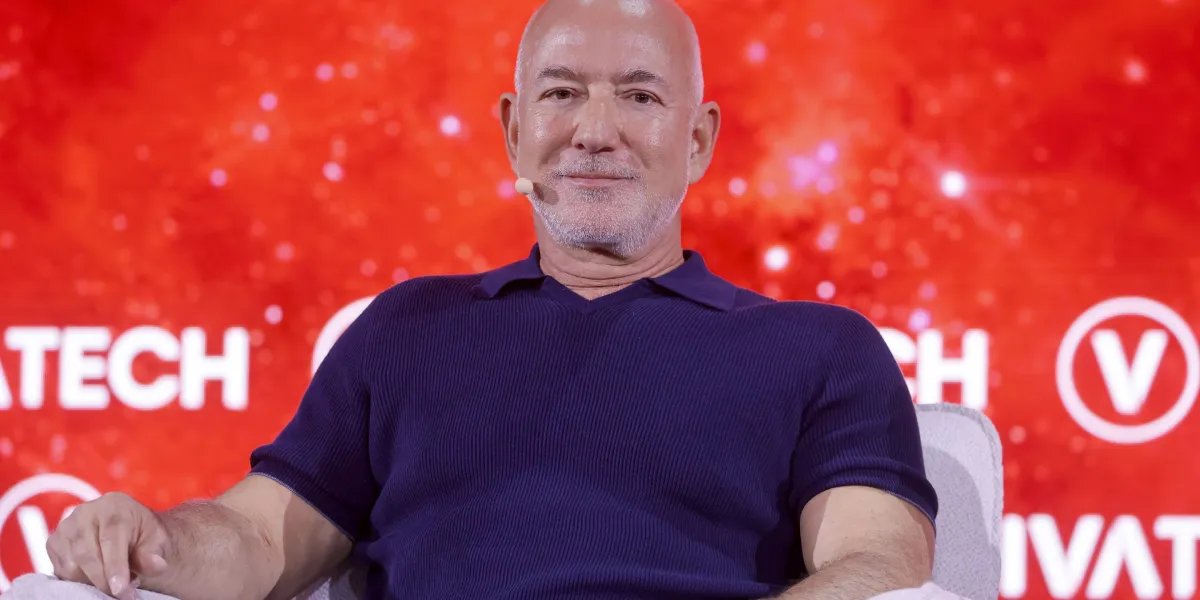
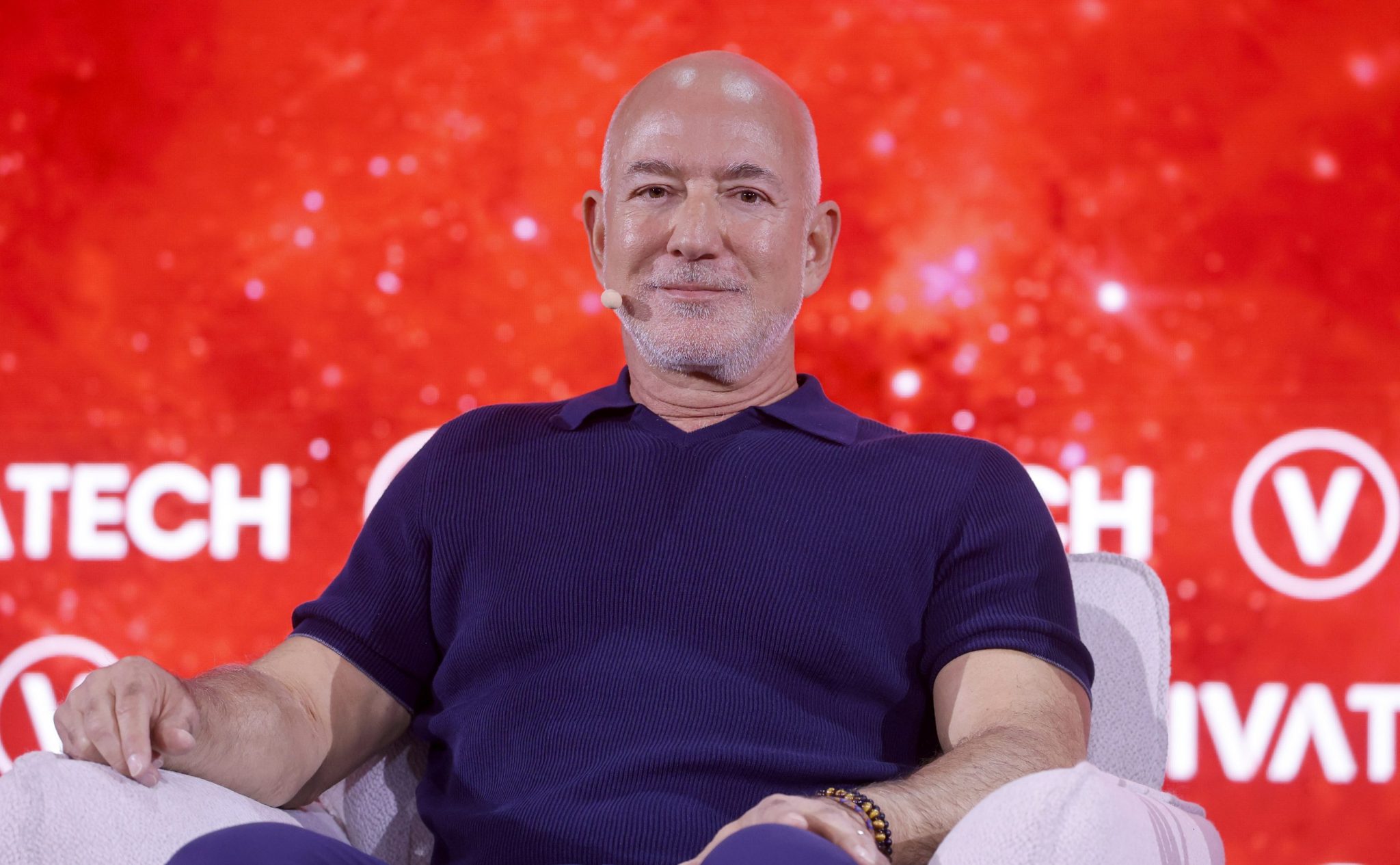
The latest American mogul to look across the Atlantic could be Amazon founder Jeff Bezos, who is worth about $243 billion and is the world’s fourth-richest person, according to Forbes.
Liverpool F.C. owner Fenway Sports Group, which also owns Major League Baseball’s Boston Red Sox, confirmed last week a consortium had approached it about buying a minority stake in the club. That consortium, led by Amit Bhatia, a former co-owner of the Queens Park Rangers of England’s second division, reportedly approached Bezos about joining the investors, Sky reported.
If the 1.35 billion pound deal, equal to $1.8 billion, goes through, the consortium could reportedly acquire a 30% stake in Liverpool F.C.—one of the most competitive clubs in the Premier League with 20 top flight English league titles and six European Cup titles to its name.
It would also potentially add another billionaire to the growing list of American billionaires looking for a bargain in one of the most competitive soccer leagues in the world.
FSG and Amazon did not immediately reply to Fortune’s request for comment.
Americans in the EPL
England’s top soccer league is already filled with American owners. Half of the Premier League’s 20 clubs are majority-owned by Americans as of 2024 following a wave of investment that began in the early 2000s.
The Glazer family, led by the late billionaire Malcolm Glazer, completed its takeover of Manchester United in 2005. Billionaire Randy Lerner purchased Aston Villa the following year. Around the same time, billionaire Stan Kroenke began building a stake in Arsenal before eventually taking full control, while a pair of Americans, billionaire Tom Hicks and investor George Gillett, bought Liverpool in 2007.
The wave later broadened. Auto-parts billionaire Shahid Khan bought Fulham in 2013, while billionaire Todd Boehly and private-equity firm Clearlake Capital purchased Chelsea in 2022. Insurance billionaire Bill Foley led a consortium that acquired Bournemouth that same year, while billionaire Dan Friedkin took control of Everton in 2024.
Liverpool in 2010 also replaced one set of American owners with another when FSG bought the club from Hicks and Gillett. FSG is led and controlled by commodities billionaire John Henry, who has a net worth of about $5.7 billion, according to Forbes.
The business of sports
The rush into English soccer is easier to understand when compared with the staggering price of buying a team in America’s National Football League.
The average NFL franchise is now valued at more than $7 billion, and most recently, the Khosla family, led by investor Vinod Khosla, agreed to purchase the Seattle Seahawks for $9.6 billion.
By comparison, even the proposed deal for a stake in Liverpool F.C.—which if completed would make it one of the world’s most valuable soccer clubs—would value the entire team at just over $6 billion.
To be sure, Premier League teams are not necessarily cash cows. Of the league’s 20 clubs, 14 reportedly lost money during the 2024-2025 season even as their combined revenue reached a record 6.8 billion pounds, or about $9.1 billion, according to the Financial Times. Meanwhile, the NFL’s 32 franchises amassed an estimated $14.5 billion in cumulative revenue in 2024.
Liverpool, however, is in better financial shape than many of its rivals. The club brought in a record 703 million pounds in revenue during the 2024-2025 season, when it won the Premier League, an increase of 89 million pounds from the year before. It also reported an 8 million pound after-tax profit, making it one of only a handful of profitable Premier League clubs.
The club also sports one of soccer’s largest global fan bases, with a significant following of 26 million supporters in the U.S., alone, according to the club.
The consortium’s offer would make Liverpool nearly 13 times more valuable than it was when FSG took control for 300 million pounds, or about $470 million at the time, in 2010—a return that could look appealing to any would-be investor.
For Bezos, investing in Liverpool could offer a stake in one of the most recognizable brands in global sports for less than 1% of his $243 billion fortune. For FSG, which has been open to investors since 2022, it could also turn into a billion-dollar payday without surrendering control.
Whether Bezos joins the consortium seeking to invest in Liverpool or not, his reported interest underscores how attractive the Premier League has become to deep-pocketed American investors.
Liverpool CEO Billy Hogan, for his part, argues the club’s growth story is far from over.
“There’s a huge opportunity still,” Hogan told BBC Sport. “This is the biggest and most popular sport in the world and we’re one of the biggest clubs in the biggest league in the biggest sport in the world.”